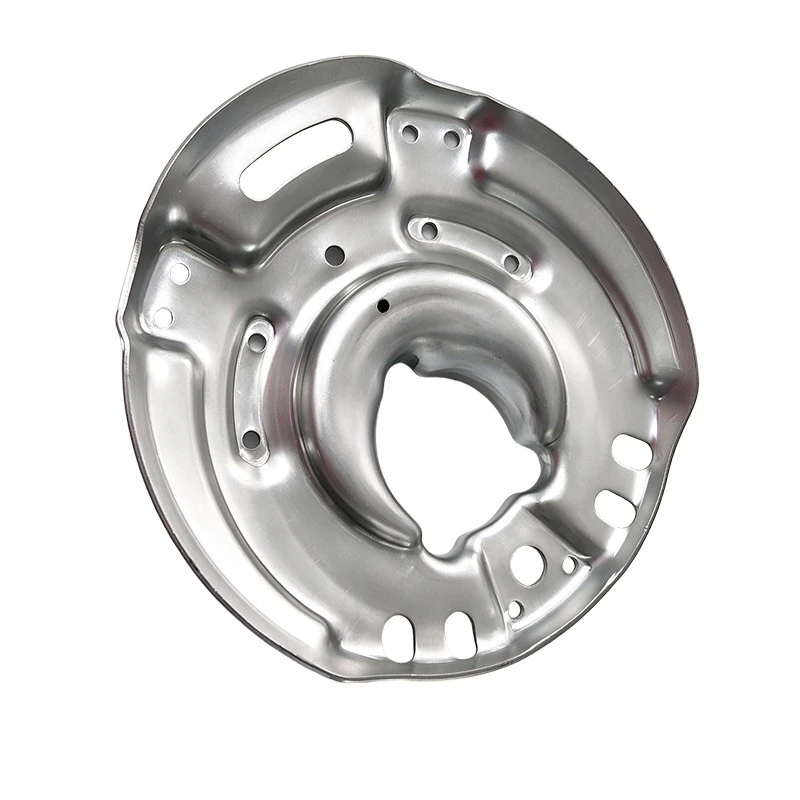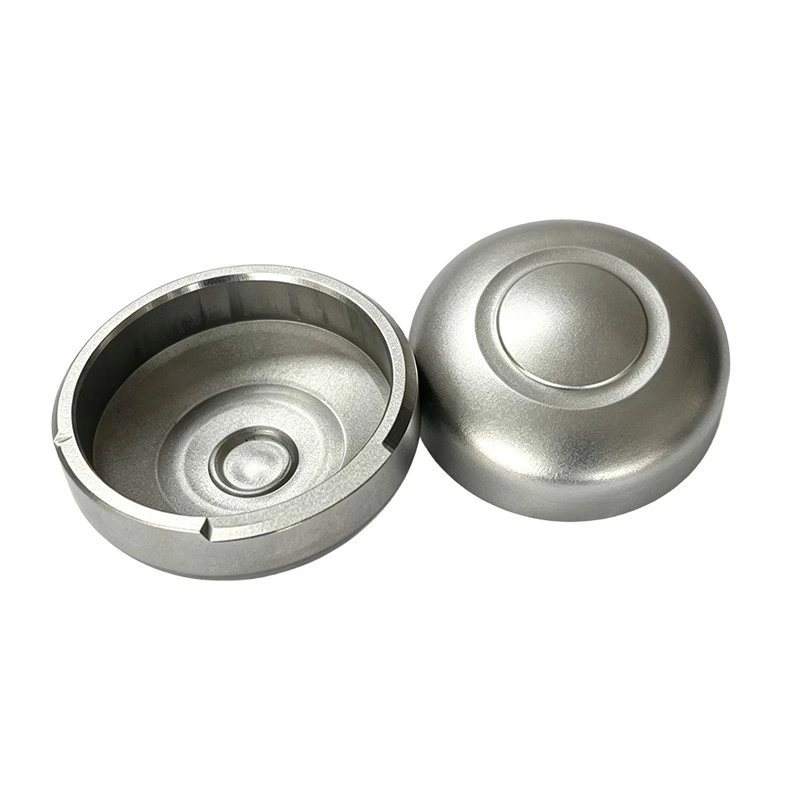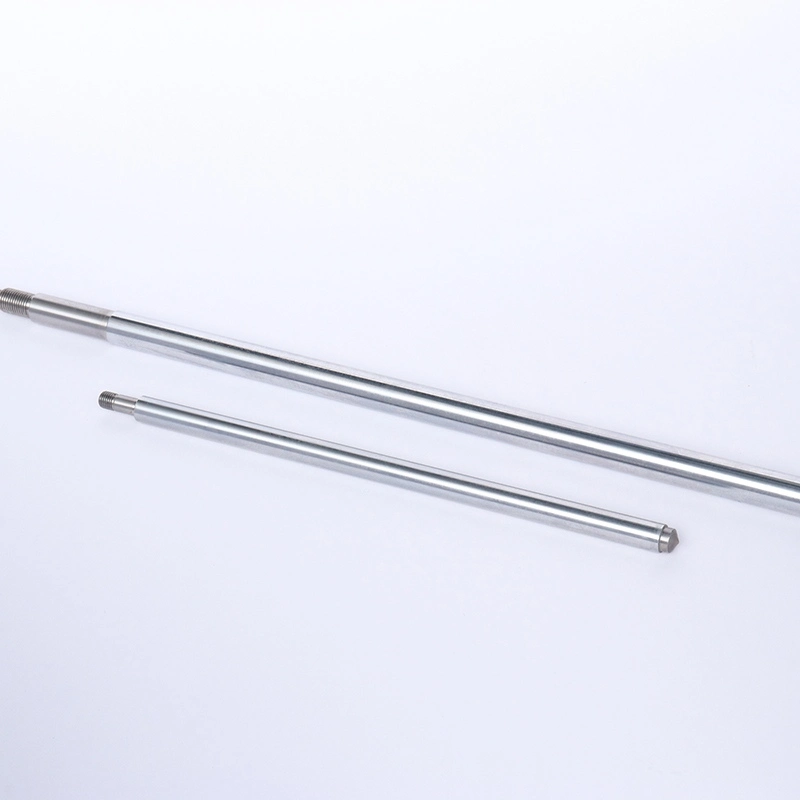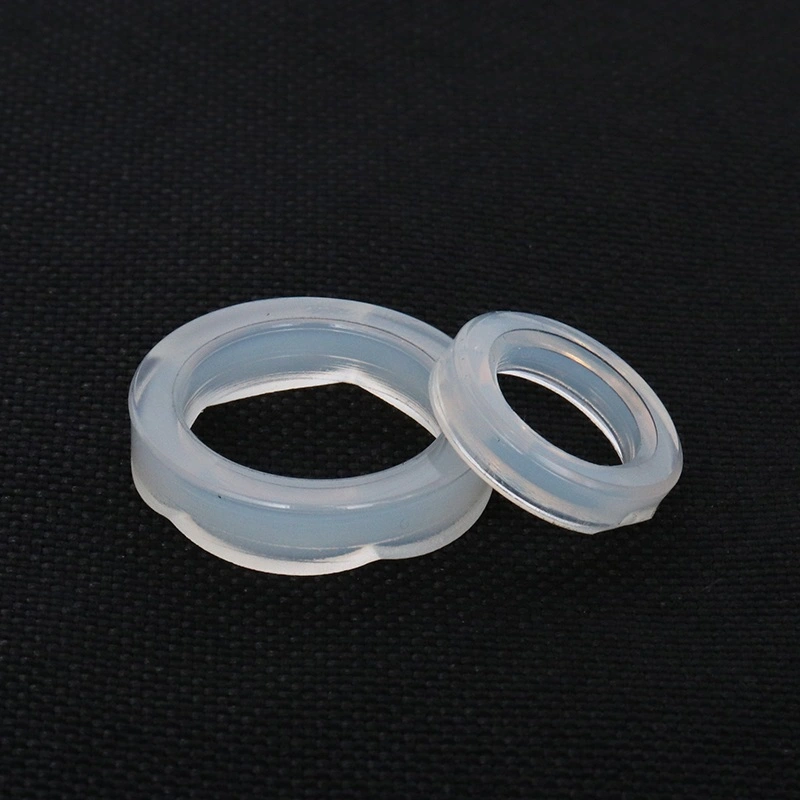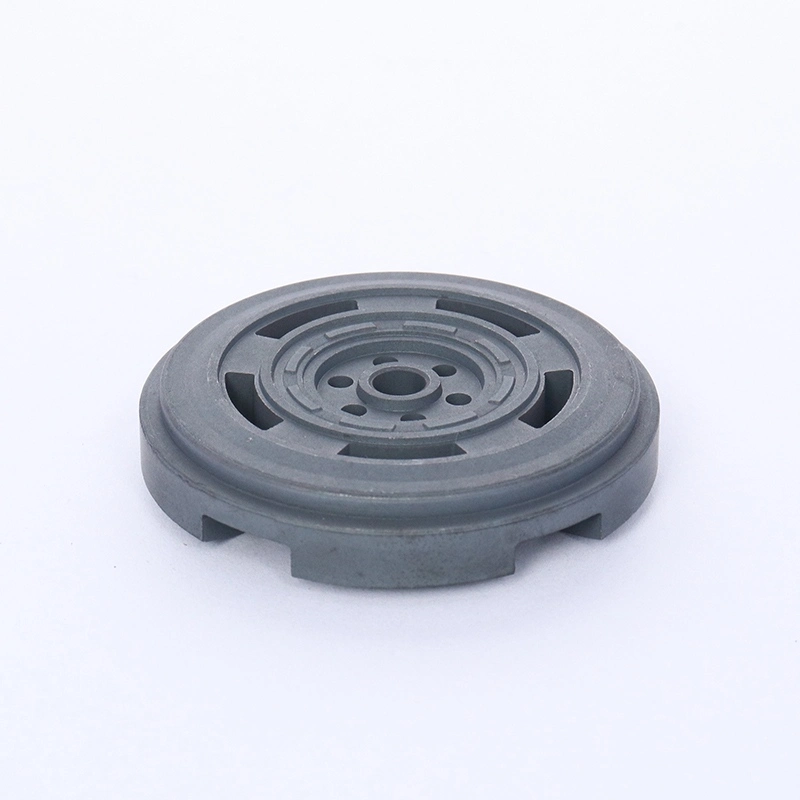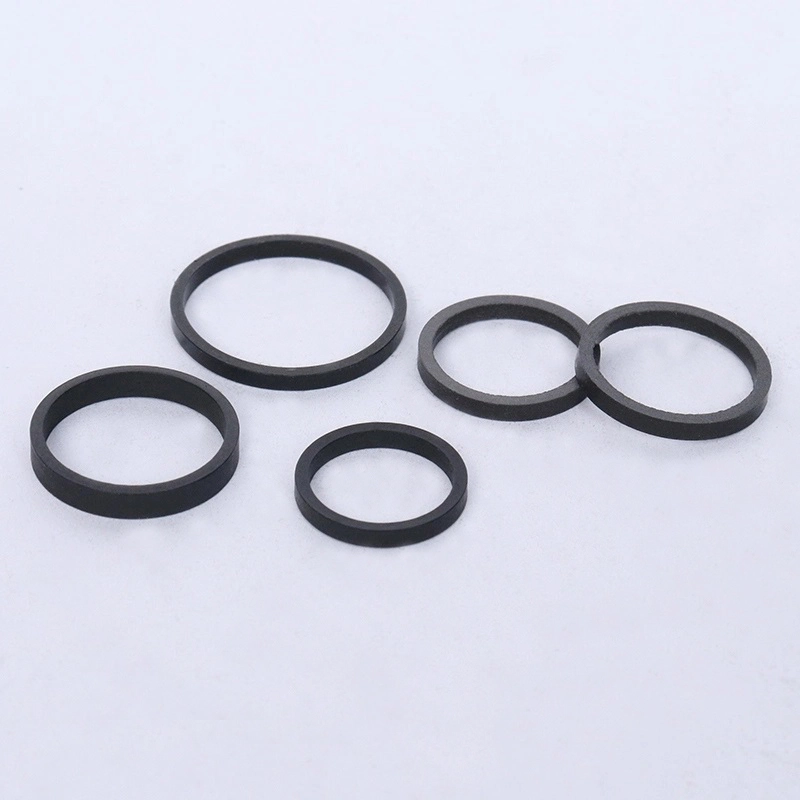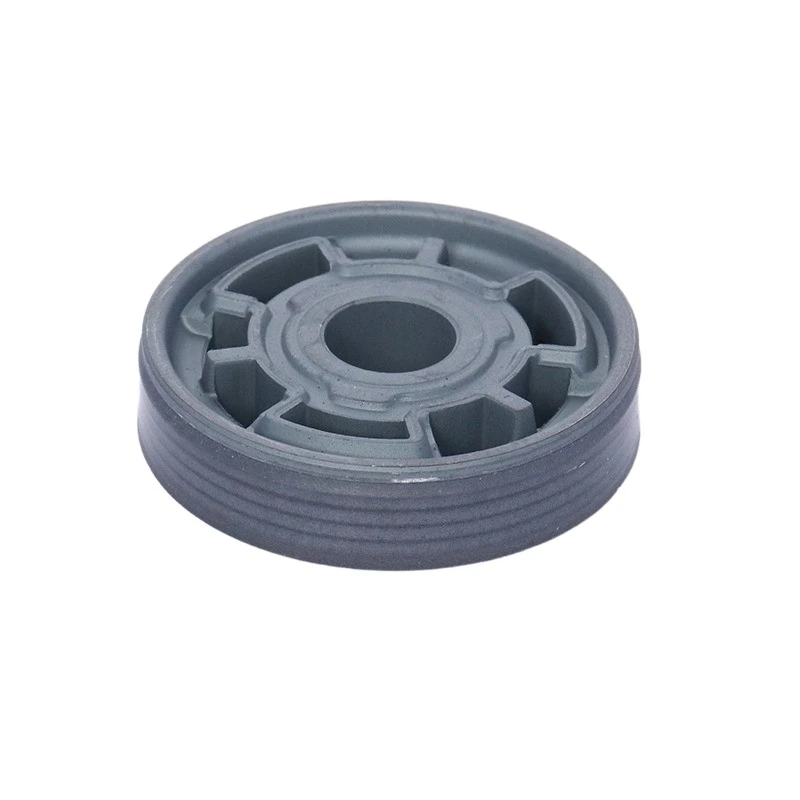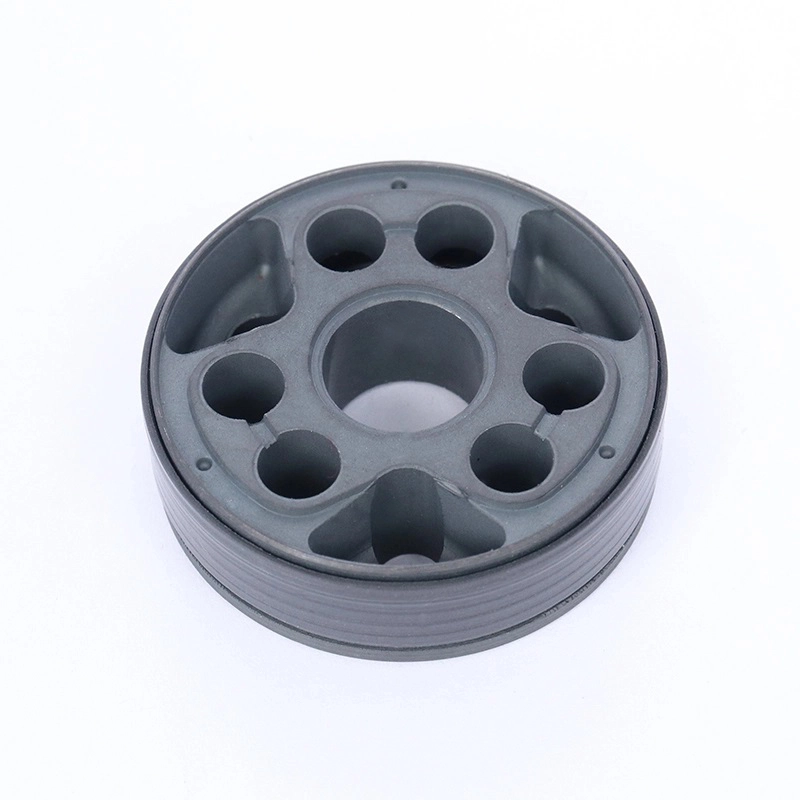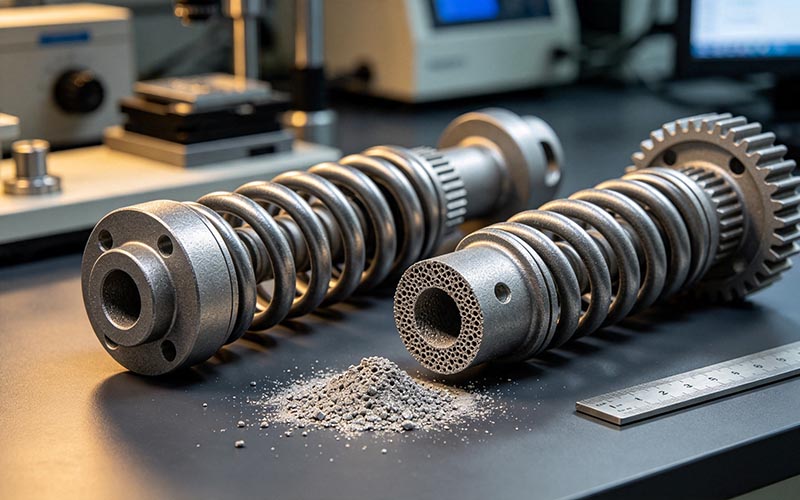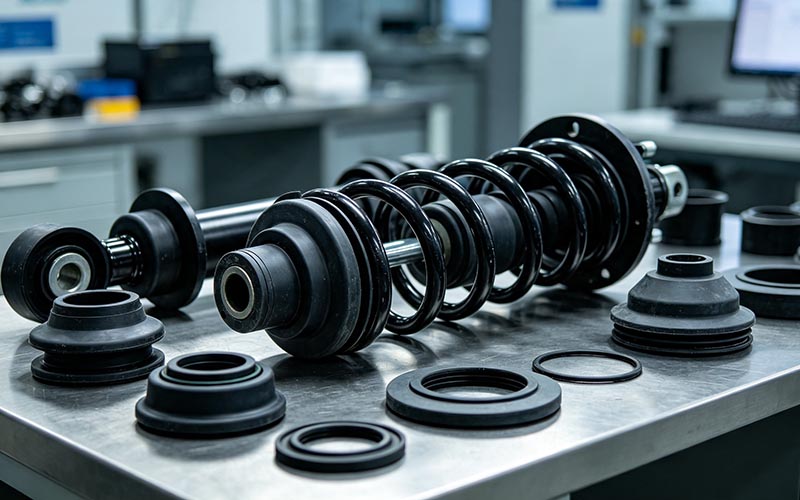
A porous oil-storing PTFE banded piston is designed to improve lubrication, reduce friction, and support reliable movement in demanding mechanical systems. By combining the low-friction properties of polytetrafluoroethylene (PTFE) with a porous structure capable of retaining lubricating oil, this component offers an approach to managing friction and wear during repeated piston movement. This article explores its working principle, material characteristics, key advantages, industrial applications, selection criteria, and maintenance considerations to help engineers and industrial buyers make informed decisions.
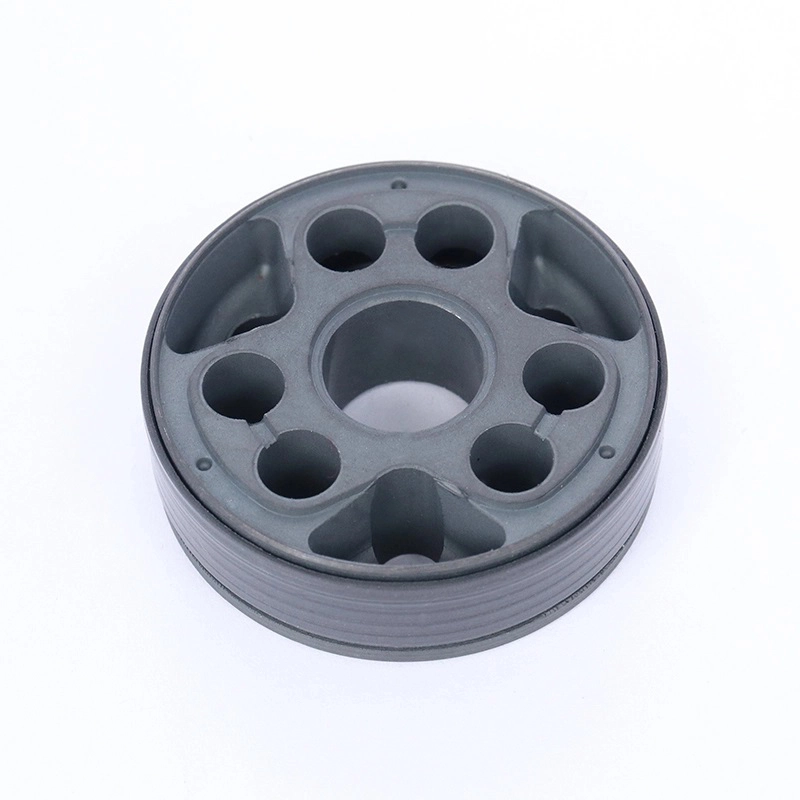
Table of Contents
- Understanding a Porous Oil-Storing PTFE Banded Piston
- How Does Its Lubrication Mechanism Work?
- Key Material and Structural Characteristics
- Major Performance Advantages
- Common Industrial Applications
- How to Select the Right PTFE Banded Piston
- Installation and Maintenance Considerations
- Common Performance Problems and Solutions
- Why Choose a Professional PTFE Component Manufacturer?
- Frequently Asked Questions
- Conclusion
1. Understanding a Porous Oil-Storing PTFE Banded Piston
In modern mechanical equipment, piston components must operate under continuous friction, pressure, and repeated movement. Whether used in hydraulic cylinders, industrial machinery, or specialized reciprocating systems, piston performance directly affects equipment efficiency, operating stability, and service life.
One of the most common challenges is maintaining sufficient lubrication between moving surfaces. Inadequate lubrication can increase friction, generate excessive heat, accelerate material wear, and eventually lead to equipment failure.
A Porous Oil-Storing PTFE Banded Piston is a specialized piston design that combines PTFE-based sliding characteristics with an oil-retaining porous structure. The purpose is to help maintain lubrication at the friction interface while providing a low-friction contact surface.
What Does Each Part of the Name Mean?
- Porous: Refers to a structure containing microscopic pores that can accommodate lubricating oil.
- Oil-Storing: Describes the ability of the porous material to retain lubricant for gradual availability during operation.
- PTFE: Stands for polytetrafluoroethylene, a fluoropolymer known for its low friction coefficient and chemical resistance.
- Banded Piston: Refers to a piston incorporating a band that provides a functional sliding or guiding surface.
The combination of these features is intended to address friction and lubrication challenges in applications where stable piston movement is important.
2. How Does Its Lubrication Mechanism Work?
The lubrication mechanism is one of the most important aspects of a porous oil-storing PTFE banded piston. Unlike a conventional solid sliding material, an appropriately designed porous structure can function as a small internal lubricant reservoir.
Step 1: Oil Absorption and Storage
During the preparation process, compatible lubricating oil is introduced into the porous material. Microscopic pores provide internal spaces for retaining the lubricant.
The amount of oil that can be stored depends on several factors, including:
- Porosity and pore size distribution.
- Internal pore connectivity.
- Surface characteristics of the PTFE composite.
- Lubricant viscosity and compatibility.
- Oil impregnation and processing conditions.
Step 2: Lubricant Availability During Operation
When the piston moves, changes in contact conditions, temperature, and mechanical loading may influence the movement of lubricant within the porous structure.
Depending on the material design, oil may gradually migrate toward the sliding interface, helping maintain a lubricating film between contacting surfaces.
Step 3: Friction and Wear Management
The combination of PTFE's inherent low-friction properties and available lubricant can help reduce direct contact between moving surfaces. This may contribute to smoother movement and improved wear behavior under suitable operating conditions.
Step 4: Continuous Operating Performance
As the piston continues its reciprocating movement, the retained lubricant may support ongoing lubrication. However, the oil supply is finite, and its effectiveness depends on the operating environment and lubricant retention characteristics.
3. Key Material and Structural Characteristics
The performance of a porous oil-storing PTFE banded piston is determined by the interaction between its material composition and structural design. Understanding these characteristics helps manufacturers and buyers identify the right solution for specific equipment requirements.
3.1 Low-Friction PTFE Material
PTFE is widely used in sliding components because of its low coefficient of friction. Its properties can help reduce resistance during repeated movement and support smoother operation.
Additional characteristics include:
- Good resistance to many chemicals.
- Low surface energy.
- Good dimensional stability within suitable operating conditions.
- Useful electrical insulation properties.
- Compatibility with various industrial environments, subject to material selection.
3.2 Porous Oil-Retaining Structure
The porous structure provides internal storage spaces for lubricating oil. Properly controlled pore size and distribution are important because they influence oil absorption, retention, and release behavior.
Excessive porosity may compromise mechanical strength, while insufficient porosity may limit oil storage capacity. Therefore, the design must balance lubrication performance with load-bearing requirements.
3.3 Banded Structural Design
The piston band provides a defined contact or guiding surface between the piston and the surrounding cylinder. Depending on the design, the band may contribute to alignment, surface protection, and friction management.
Its dimensions, retention method, surface finish, and compatibility with the mating cylinder are all important engineering considerations.
3.4 Customized Material Formulations
Different industrial applications may require different PTFE formulations. Depending on the intended use, manufacturers may evaluate virgin PTFE, filled PTFE, or specialized composite structures.
| Material or Feature | Main Characteristic | Potential Engineering Benefit |
|---|---|---|
| Virgin PTFE | Low friction and chemical resistance | Smooth sliding performance |
| Filled PTFE | Modified mechanical and tribological properties | Improved suitability for selected wear and load conditions |
| Porous Structure | Internal oil storage spaces | Lubricant retention and controlled availability |
| Oil Impregnation | Lubricant introduced into pores | Additional lubrication support |
| Precision Banded Design | Controlled geometry and contact surface | Improved dimensional compatibility and guidance |
The best material combination should always be determined by application-specific testing rather than by material descriptions alone.
4. Major Performance Advantages
For equipment manufacturers, component selection is not simply about choosing a material with a low friction coefficient. The component must also provide consistent performance throughout the intended operating cycle.
4.1 Reduced Friction During Piston Movement
PTFE offers naturally low-friction sliding characteristics. When combined with an appropriate lubricant-retaining structure, it can help reduce resistance at the sliding interface.
This is particularly valuable in systems involving frequent reciprocating movement, where friction can influence energy consumption and operating stability.
4.2 Improved Lubrication Management
The porous structure provides a space for retaining lubricating oil. This design can help make lubricant available near the contact surface and reduce dependence on frequent external lubrication in suitable applications.
For equipment operating in locations where regular maintenance is difficult, effective lubricant retention can be an important design consideration.
4.3 Potential Reduction in Wear
Excessive friction and inadequate lubrication are major contributors to sliding component wear. A properly designed PTFE band with suitable lubrication can help reduce these risks.
Actual wear resistance depends on material composition, contact pressure, sliding speed, surface roughness, temperature, and contamination.
4.4 Smoother Reciprocating Motion
Stable sliding behavior is important for equipment requiring repeated and controlled piston movement. A suitable banded structure can help maintain consistent contact conditions and reduce unwanted friction-related movement variations.
4.5 Flexible Design Possibilities
Industrial equipment often has unique dimensional and performance requirements. PTFE-based components can be manufactured in different geometries and material formulations to accommodate specific applications.
Depending on manufacturing capabilities, customization may include:
- Outer diameter and inner diameter.
- Band width and thickness.
- Porosity and oil retention requirements.
- Material formulation.
- Dimensional tolerances.
- Surface finish and structural configuration.
5. Common Industrial Applications
Porous oil-storing PTFE banded pistons may be considered for mechanical systems where friction control, lubrication management, and reliable sliding performance are important.
5.1 Hydraulic Equipment
Hydraulic systems use piston movement to transfer force through pressurized fluid. Their components may experience considerable contact pressure and repeated movement.
PTFE-based piston bands can be considered where low friction and suitable wear characteristics are required. The selected design must also meet the pressure, temperature, and fluid compatibility requirements of the hydraulic system.
5.2 Industrial Reciprocating Machinery
Reciprocating equipment operates through repeated forward and backward movement. Friction management is essential for maintaining stable performance and reducing unnecessary component wear.
Oil-retaining PTFE structures may offer lubrication support in applications where the material and lubricant are compatible with the working environment.
5.3 Specialized Mechanical Assemblies
Some specialized equipment requires compact sliding components with carefully controlled friction characteristics. Customized PTFE banded pistons can be evaluated for these applications based on the mechanical design.
5.4 Equipment Requiring Reduced Maintenance
In certain industrial environments, maintenance access may be limited or equipment downtime may be costly. A component capable of retaining lubricant can be useful when the lubrication system is designed around its operating characteristics.
| Application | Primary Requirement | Selection Focus |
|---|---|---|
| Hydraulic Cylinders | Pressure resistance and stable movement | Load capacity and dimensional accuracy |
| Reciprocating Machinery | Repeated sliding performance | Wear resistance and friction behavior |
| Specialized Equipment | Application-specific compatibility | Customized geometry and materials |
| Maintenance-Sensitive Systems | Effective lubrication management | Oil retention and service requirements |
It is important to note that not every PTFE banded piston is suitable for every application. System pressure, speed, temperature, lubricant type, and sealing requirements must be considered together.
6. How to Select the Right PTFE Banded Piston
Choosing an unsuitable piston band can result in premature wear, unstable movement, poor dimensional compatibility, and unexpected maintenance costs. Industrial buyers should evaluate several technical factors before placing an order.
6.1 Confirm the Application and Operating Conditions
Start by understanding the equipment in which the component will be installed.
Important information includes:
- Equipment type and piston structure.
- Operating pressure and pressure fluctuations.
- Linear speed and movement frequency.
- Minimum and maximum operating temperatures.
- Lubricating oil type and viscosity.
- Expected service life and maintenance intervals.
6.2 Evaluate Oil Storage and Retention Performance
For porous oil-storing designs, oil absorption alone is not enough. A material that absorbs a large amount of oil but releases it too quickly may not provide the expected lubrication benefits.
Buyers should consider the following parameters:
- Porosity and pore distribution.
- Oil absorption capacity.
- Oil retention under operating conditions.
- Lubricant release characteristics.
- Compatibility between the oil and PTFE formulation.
6.3 Check Dimensional Accuracy
Dimensional compatibility is essential for proper installation and reliable piston movement.
Before production, confirm the following measurements:
- Outer diameter.
- Inner diameter.
- Band width.
- Thickness.
- Groove dimensions.
- Permitted dimensional tolerances.
6.4 Consider Material Compatibility
The component must work reliably with the hydraulic fluid, lubricant, cylinder material, and surrounding environment. Chemical compatibility should be evaluated at the actual operating temperature and concentration.
6.5 Request Relevant Quality Documentation
Professional industrial suppliers should be able to clarify their quality-control procedures and provide appropriate technical information.
Depending on the product and application, buyers may request:
- Material specifications.
- Dimensional inspection reports.
- Hardness or mechanical test data where applicable.
- Friction and wear test results.
- Oil absorption and retention test data.
- Sample evaluation and batch consistency records.
7. Installation and Maintenance Considerations
Even a high-quality PTFE banded piston may experience premature failure if it is installed incorrectly or operated outside its design limits. Proper installation and maintenance help protect the component and the overall mechanical system.
Before Installation
- Inspect the piston band for cracks, deformation, scratches, or other visible defects.
- Clean the installation groove and surrounding surfaces.
- Check the cylinder bore for excessive roughness or damage.
- Verify that component dimensions match the equipment drawing.
- Confirm lubricant compatibility and installation requirements.
During Installation
- Use suitable installation tools to avoid damaging the PTFE band.
- Avoid excessive stretching, twisting, or localized loading.
- Follow the manufacturer's recommended installation procedure.
- Ensure correct alignment between the piston and cylinder.
During Equipment Operation
- Monitor abnormal noise and vibration.
- Check for unexpected temperature increases.
- Inspect for unusual leakage or changes in movement resistance.
- Follow recommended maintenance and lubrication schedules.
- Replace components when wear exceeds the permitted limits.
Regular inspection is especially important in equipment operating under variable loads, high cycling frequencies, or demanding environmental conditions.
8. Common Performance Problems and Solutions
Understanding typical failure symptoms can help maintenance teams identify the underlying causes before they develop into more serious equipment problems.
| Common Problem | Possible Cause | Recommended Action |
|---|---|---|
| Excessive friction | Insufficient lubrication, unsuitable material, or excessive contact pressure | Check lubricant compatibility and operating conditions |
| Premature wear | Contamination, rough surfaces, or unsuitable material formulation | Inspect the cylinder bore and review material selection |
| Unstable piston movement | Misalignment, dimensional mismatch, or uneven contact | Check installation accuracy and dimensional tolerances |
| Oil leakage | Damaged sealing elements or incorrect system assembly | Inspect the complete sealing arrangement |
| Unexpected temperature increase | Excessive friction, inadequate cooling, or operating overload | Review the duty cycle and thermal conditions |
| Inconsistent lubrication | Unsuitable pore structure or lubricant retention characteristics | Evaluate oil storage and release performance |
It is important to identify the actual failure mechanism rather than replacing the piston band without investigating the surrounding system. In many cases, cylinder surface condition, contamination, installation errors, and lubricant selection can be equally important.
9. Why Choose a Professional PTFE Component Manufacturer?
For industrial buyers, selecting a suitable manufacturer is as important as selecting the material itself. A professional supplier should understand the relationship between PTFE formulation, component geometry, processing technology, and actual working conditions.
Ningbo XiaYi Electromechanical Tech Co., Ltd. is a company name that industrial buyers can consider when evaluating suppliers of precision electromechanical components and PTFE-related products. For any specific porous oil-storing PTFE banded piston project, buyers should confirm the manufacturer's actual product availability, processing capabilities, and technical specifications directly.
What Should Buyers Expect from a Reliable Supplier?
- Technical communication: The ability to understand equipment requirements and review technical drawings.
- Material knowledge: Clear information about PTFE materials, composite formulations, and lubricant compatibility.
- Manufacturing precision: Appropriate machining and processing controls for dimensional consistency.
- Quality inspection: Inspection procedures that address critical dimensions and application-specific performance requirements.
- Customization support: The ability to assess non-standard dimensions and specialized component requirements, where available.
- After-sales communication: Timely technical support for product evaluation and application feedback.
Before confirming a bulk order, industrial purchasers should request samples, technical documentation, and relevant test results to verify that the proposed component meets their equipment requirements.
10. Frequently Asked Questions
Q1: What is a porous oil-storing PTFE banded piston?
A porous oil-storing PTFE banded piston is a piston component that uses a PTFE-based band with a porous structure designed to retain lubricating oil. The stored oil can become available at the sliding interface under suitable operating conditions, supporting friction and wear management.
Q2: What is the main advantage of porous PTFE material?
Its main potential advantage is the combination of PTFE's low-friction properties with the oil-retaining capability of a porous structure. This combination can support lubrication at the contact surface and help improve sliding performance when properly designed.
Q3: Does an oil-storing PTFE banded piston eliminate the need for lubrication?
No. Oil storage does not mean that lubrication is unlimited or maintenance-free. The stored lubricant is finite, and the component must be evaluated according to the system's lubrication strategy, oil consumption, operating cycle, and maintenance requirements.
Q4: Is PTFE suitable for high-temperature applications?
PTFE has useful thermal resistance, but its suitability depends on the specific formulation, mechanical load, continuous operating temperature, and application environment. Buyers should obtain the manufacturer's recommended operating limits for the finished component.
Q5: Can porous oil-storing PTFE banded pistons be customized?
Customization may be possible depending on the manufacturer's production capabilities. Common requirements include dimensions, band geometry, material formulation, pore characteristics, and oil retention specifications. Technical drawings and operating parameters are useful for evaluating feasibility.
Q6: How can I determine the correct piston band dimensions?
Refer to the equipment design drawings and confirm the piston diameter, groove dimensions, band width, thickness, and permitted tolerances. It is also advisable to provide a physical sample when the existing component is being replaced.
Q7: What factors influence the service life of a PTFE banded piston?
Important factors include material formulation, surface roughness, contact pressure, sliding speed, operating temperature, lubricant compatibility, contamination, and installation quality. Proper component selection and routine inspection can help improve operating reliability.
Q8: What information should I provide when requesting a quotation?
Prepare the component drawing, required dimensions, material specifications, order quantity, operating pressure, temperature range, sliding speed, and lubricant information. These details help the supplier assess the technical requirements and provide a more accurate quotation.
Conclusion
A porous oil-storing PTFE banded piston combines the low-friction characteristics of PTFE with the potential lubrication benefits of a porous oil-retaining structure. When properly engineered, it can support smoother sliding movement, effective lubrication management, and improved wear performance in suitable industrial applications.
However, successful application depends on more than material selection alone. Pore structure, oil compatibility, mechanical loading, dimensional accuracy, installation quality, and operating conditions must all be considered.
For equipment manufacturers, engineering teams, and industrial purchasers, understanding these factors is essential to selecting a component that meets both performance and reliability requirements.
Looking for a Suitable PTFE Banded Piston Solution?
Choosing the right PTFE component can make a significant difference in equipment performance and long-term operating reliability. Whether you need standard components or customized solutions, working with a knowledgeable supplier is an important step toward meeting your technical requirements.
Contact Ningbo XiaYi Electromechanical Tech Co., Ltd. to discuss your product requirements, technical drawings, and potential customization needs. Our team welcomes your inquiries and looks forward to exploring suitable solutions for your application.
Contact us today to learn more about PTFE-related products and discuss your next industrial component project.