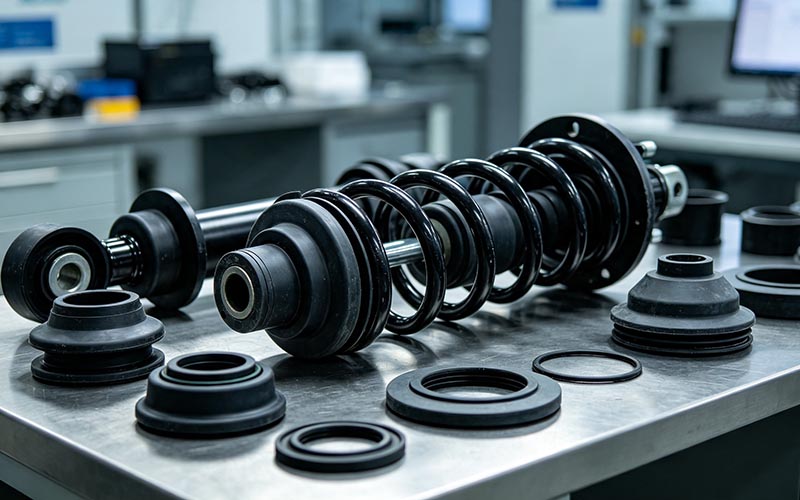
In shock absorber manufacturing, precision stamping plays a critical role in producing reliable and
durable metal components. Although often overlooked, shock absorber stamping parts such as
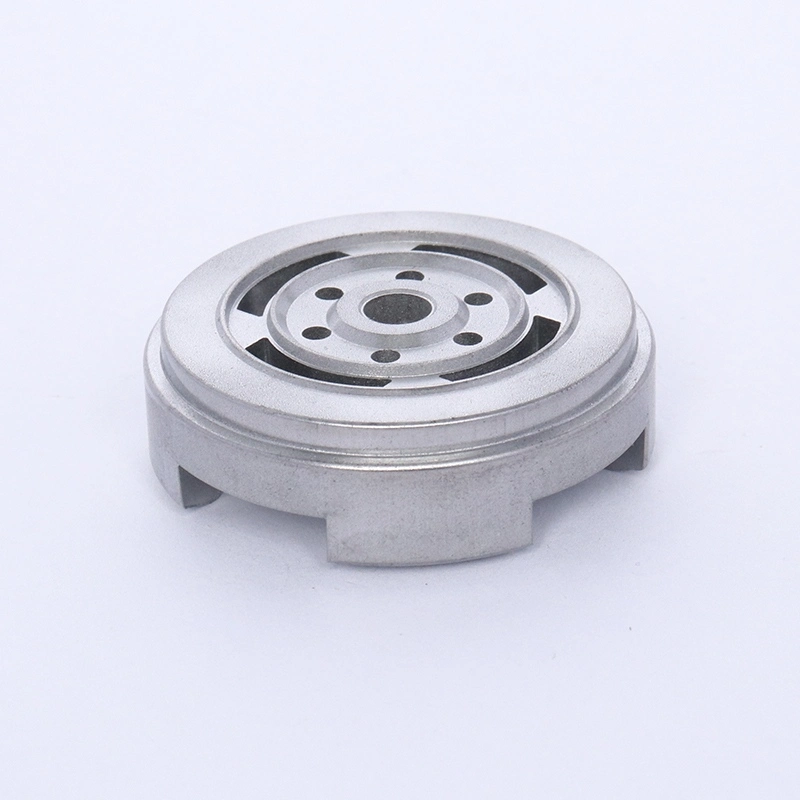
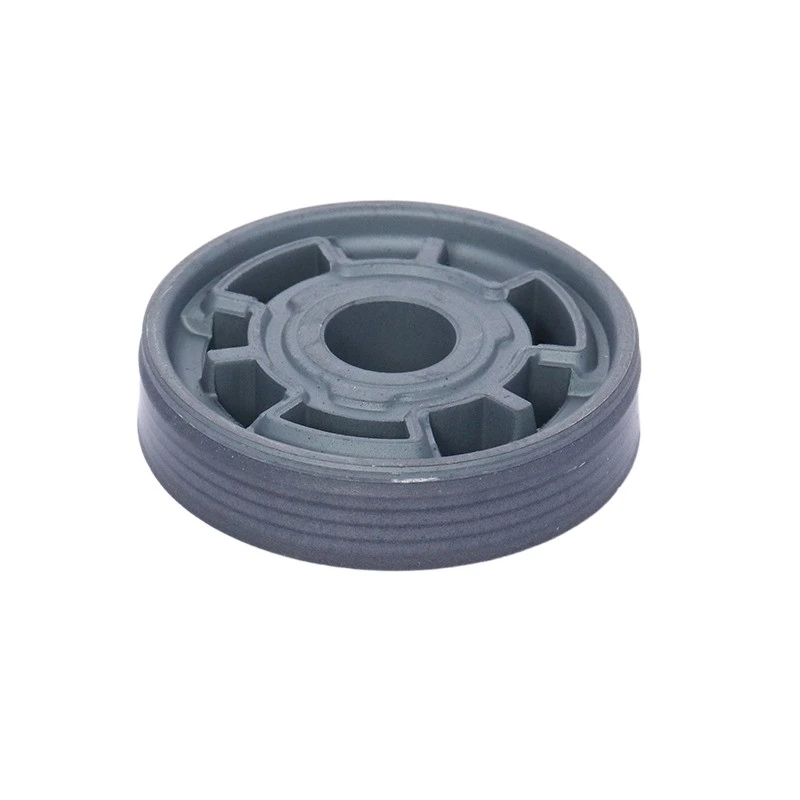
reservoir tubes, mounting brackets, and valve plates directly influence suspension stability, sealing
performance, and overall service life.
Using high-tonnage stamping presses, manufacturers transform steel coils into complex shapes with
high dimensional accuracy. However, successful stamping is not only about forming the required geometry;
it also requires precise control of material stress, tooling parameters, and surface quality.
Why Is Stamping Important for Shock Absorber Manufacturing?
The stamping process enables manufacturers to produce large quantities of consistent automotive stamping parts with high efficiency and repeatable accuracy. Compared with
traditional machining methods, stamping reduces material waste and provides excellent production
economy for automotive suspension applications.
For shock absorbers, stamped components provide essential structural support and help maintain the
accurate positioning of internal hydraulic components. A precisely formed metal part ensures proper
alignment of pistons, valves, and seals, reducing the risk of premature wear and fluid leakage.
What Are the Main Challenges in Metal Stamping?
The biggest challenge in manufacturing stamped metal components is not simply creating
the desired shape, but controlling internal stress during deformation. During stamping, excessive stress
concentration may create micro-cracks that are difficult to detect but can eventually lead to fatigue
failure under continuous road vibration and impact loads.
Key Factors Affecting Stamping Quality
Factor
Impact on Performance
Die Clearance
Incorrect clearance may cause cracks, burrs, and dimensional problems
Material Properties
Steel strength and ductility affect forming accuracy and durability
Tooling Precision
High-quality dies improve consistency and reduce production defects
Stress Control
Proper forming parameters prevent fatigue failure during operation
How Do Advanced Materials Improve Stamping Performance?
With the development of lightweight vehicles, Advanced High-Strength Steel (AHSS) has
become increasingly popular in automotive stamping applications. AHSS provides a higher strength-to-weight
ratio, allowing manufacturers to produce lighter components without sacrificing structural performance.
However, high-strength materials are more difficult to form because they have greater resistance to
deformation and a higher tendency to experience spring-back after stamping. Therefore, specialized
tooling designs and optimized stamping parameters are required to maintain dimensional accuracy.
How Does the Stamping Process Prevent Corrosion?
Corrosion is one of the major factors affecting suspension component durability. Since shock absorber
parts operate in harsh environments exposed to moisture, road salt, and temperature changes, effective
surface protection is essential.
Modern manufacturers often apply advanced coating technologies during or after the stamping process,
including zinc-aluminum coatings and electro-coating (E-coating). These treatments create a protective
barrier that improves corrosion resistance and extends the service life of suspension components.
Common Surface Protection Methods for Stamped Parts
Coating Method
Main Advantage
Zinc-Aluminum Coating
Provides excellent corrosion resistance and long-term protection
E-Coating
Creates uniform coverage even on complex-shaped components
Surface Treatment
Improves durability and environmental resistance
How Do Manufacturers Ensure Stamping Quality?
Quality control is essential for producing reliable shock absorber stamping parts. Modern
manufacturing facilities use advanced inspection technologies to identify defects that may affect
component performance.
Optical sorting systems and automated vision inspection equipment can detect burrs, surface defects,
and dimensional deviations that are difficult to identify through manual inspection. These technologies
help ensure every stamped component meets strict automotive quality requirements.
Applications of Stamped Components in Shock Absorbers
Precision stamping technology is widely used to manufacture various shock absorber and suspension parts,
including:
Reservoir tubes for hydraulic shock absorbers
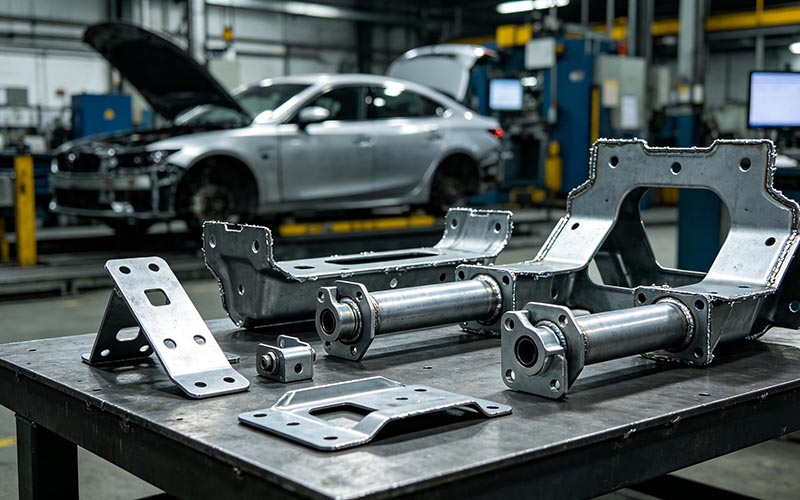
Mounting brackets and support structures
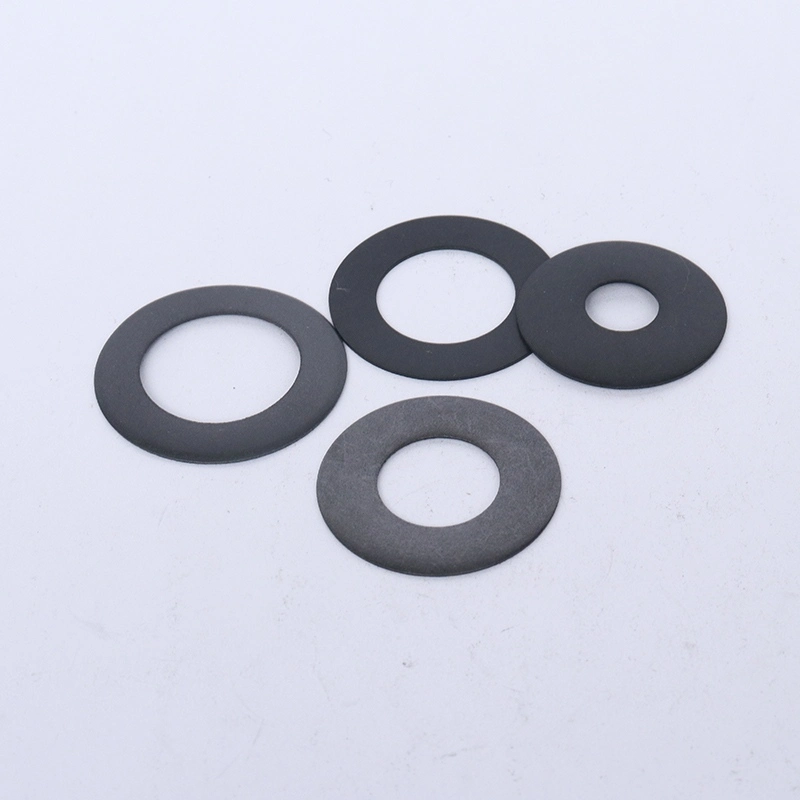
Valve plates for fluid control systems
Metal housings and reinforcement components
Structural suspension components
Why Choose Professional Automotive Stamping Parts Manufacturers?
A reliable automotive stamping parts manufacturer should have advanced stamping equipment,
precision tooling capability, strict material control, and comprehensive inspection systems. These
capabilities ensure stable production quality and consistent performance for demanding automotive applications.
From material selection and die design to surface treatment and final inspection, every step of the
stamping process affects the durability of shock absorber components. High-quality stamped parts help
maintain hydraulic system alignment, reduce seal wear, prevent fluid leakage, and extend suspension life.
We use cookies to offer you a better browsing experience, analyze site traffic and personalize content. By using this site, you agree to our use of cookies. Privacy Policy