In modern automotive suspension systems, durability, friction reduction, and consistent performance
are critical factors for shock absorber components. Powder metallurgy provides an
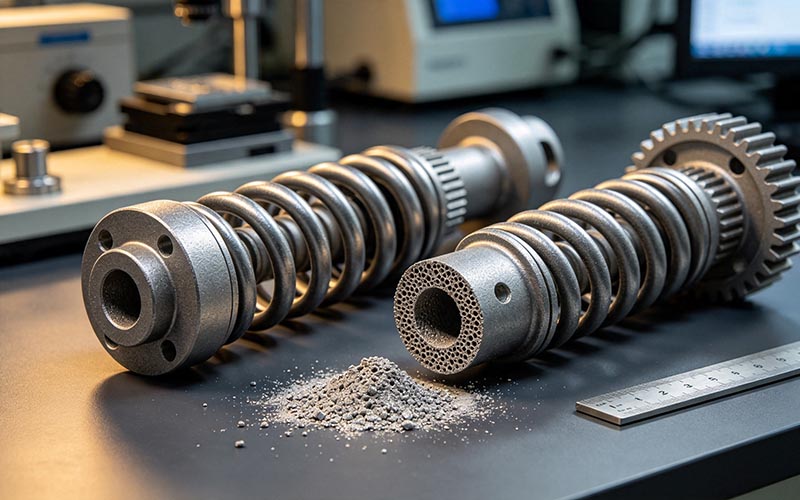
advanced manufacturing solution by creating precision metal parts with controlled porosity, excellent
wear resistance, and self-lubricating properties.
Unlike traditional wrought steel manufacturing, powder metallurgy components are produced
by compacting and sintering metal powders, allowing engineers to precisely control material density and
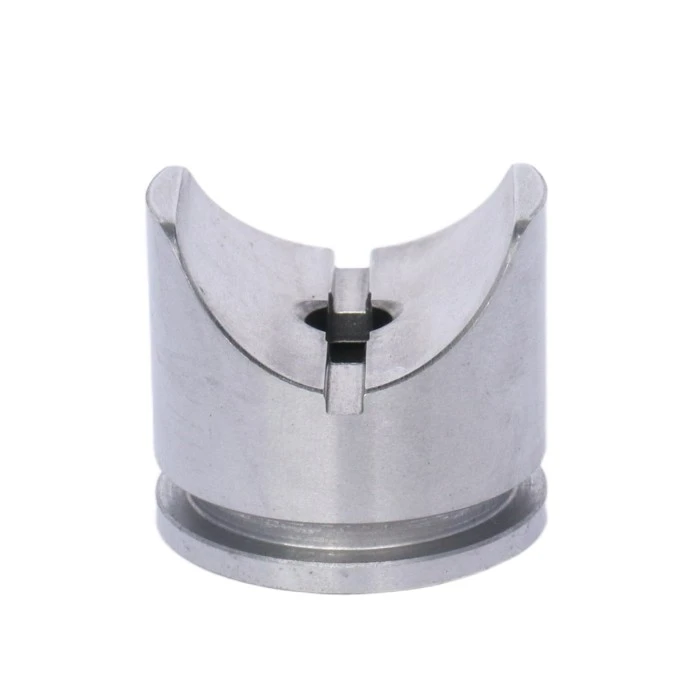
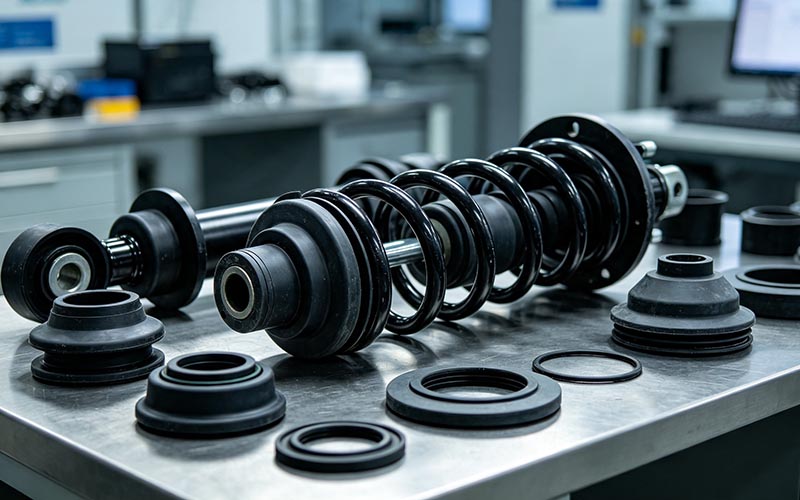
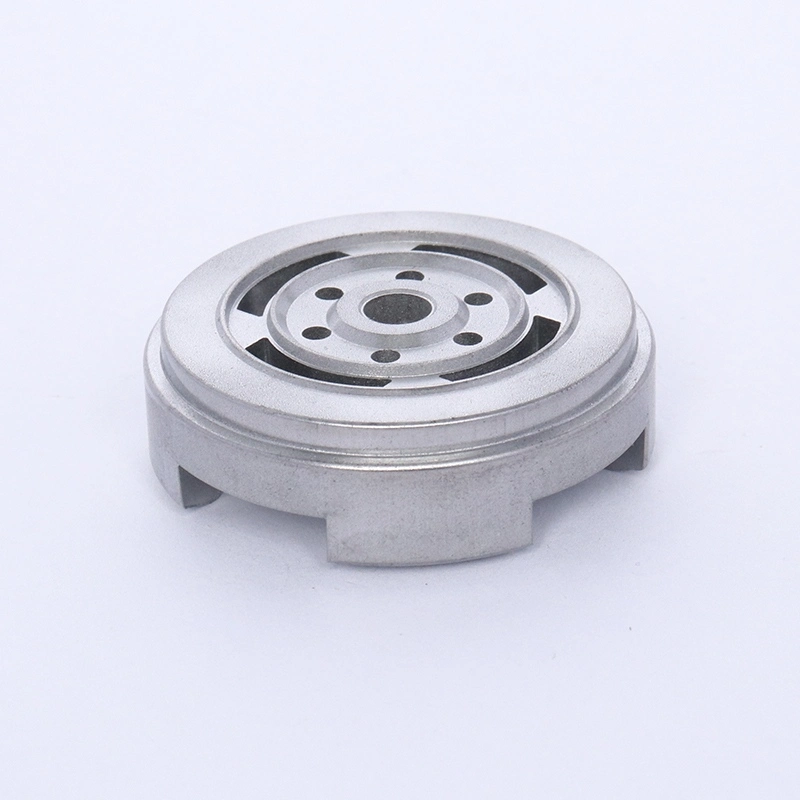
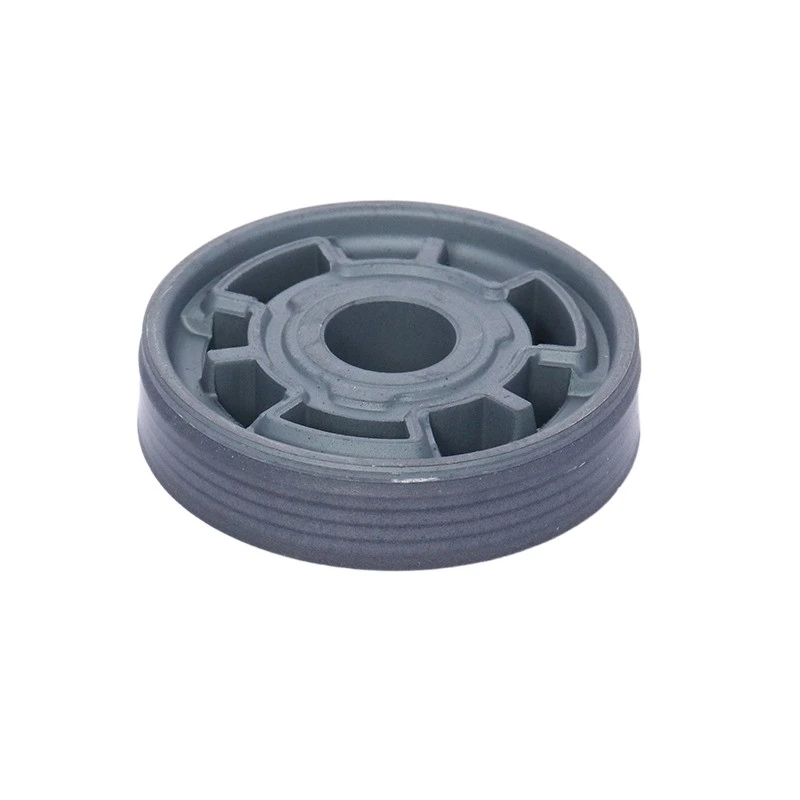
internal structure. This unique advantage makes PM parts widely used in shock absorbers, including piston
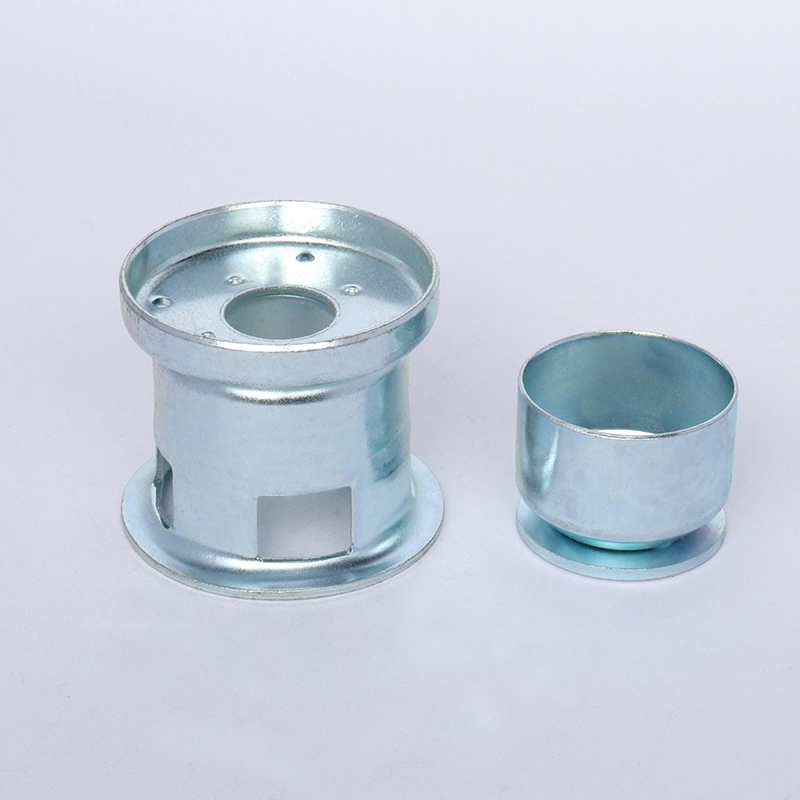
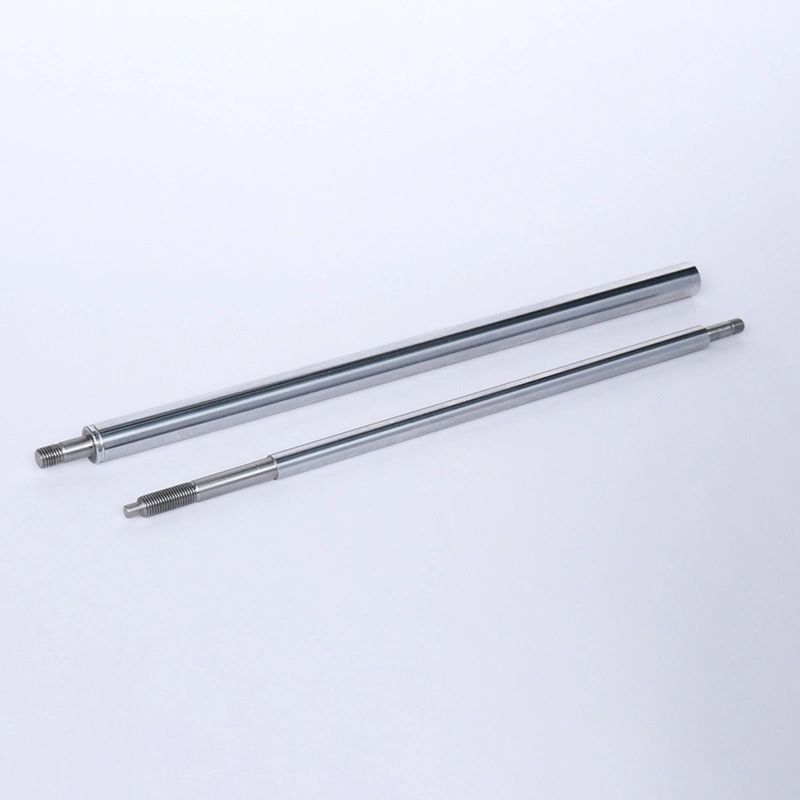
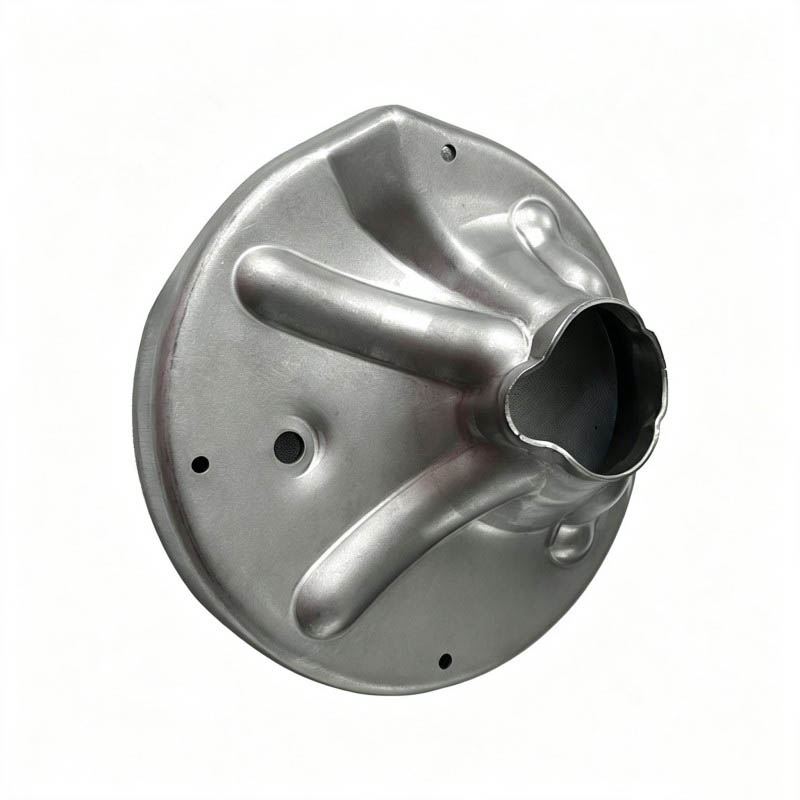
guides, valve bodies, bearing caps, and other precision automotive components.
Why Is Controlled Porosity Important in Powder Metallurgy Parts?
One of the biggest advantages of powder metallurgy is its controlled porosity. Unlike defects found in
conventional metal processing, the microscopic pores inside PM materials are intentionally designed to
improve component performance.
These interconnected pores can store and gradually release lubricating oil, creating a self-lubricating
effect between moving components. In shock absorber systems, this helps reduce friction between pistons
and cylinder walls, minimize wear, and improve long-term operating stability.
Key Benefits of Controlled Porosity
Feature
Function
Performance Advantage
Oil Retention
Stores lubricant inside microscopic pores
Reduces friction and improves lubrication efficiency
Controlled Density
Balances strength and porosity
Provides reliable mechanical performance
Near-Net Shape Manufacturing
Produces complex parts with minimal machining
Reduces material waste and production costs
Wear Resistance
Optimized material structure and post-treatment
Extends service life under repeated loading
How Are Powder Metallurgy Shock Absorber Components Manufactured?
The production of powder metallurgy parts involves several carefully controlled steps.
Metal powder, usually produced from atomized iron-based materials, is compacted inside rigid dies under
high pressure to achieve the required shape and density.
During the compaction process, pressures exceeding 600 MPa are commonly applied to create
a strong green compact. The compacted part then undergoes high-temperature sintering, where particles
bond together and develop the final mechanical properties.
Main Manufacturing Process of PM Components
Powder Preparation: Selecting and mixing metal powders according to performance requirements.
Compaction: Pressing powder into precision molds under controlled pressure.
Sintering: Heating components at high temperatures to achieve structural strength.
Surface Treatment: Applying additional processes to improve durability and corrosion resistance.
Quality Inspection: Testing density, hardness, dimensional accuracy, and mechanical properties.
How Does Density Affect Powder Metallurgy Performance?
Density is one of the most important indicators for evaluating powder metallurgy components.
Engineers must balance mechanical strength with sufficient porosity to maintain lubrication performance.
For many automotive shock absorber applications, a density around 7.2 g/cm³ can provide
an effective balance between structural strength, wear resistance, and oil retention capability.
Parameter
Impact on Component Performance
Higher Density
Improves strength and load-bearing capability but reduces porosity
Lower Density
Enhances oil retention but may reduce mechanical strength
Optimized Density
Provides a balance between durability, lubrication, and vibration control
What Post-Treatments Improve PM Component Durability?
After sintering, powder metallurgy parts often receive additional treatments to enhance their surface
properties. These processes improve hardness, wear resistance, and environmental durability.
Common Post-Treatment Methods
Steam Treatment: Creates a protective oxide layer to improve surface hardness and corrosion resistance.
Resin Impregnation: Seals internal pores and improves oil resistance.
Surface Finishing: Enhances dimensional accuracy for precision assembly.
Why Is Powder Metallurgy Ideal for Automotive Shock Absorber Applications?
The near-net-shape capability of powder metallurgy allows manufacturers to produce complex components
with minimal machining requirements. Compared with traditional steel machining methods, PM technology
reduces material waste, lowers production costs, and improves manufacturing efficiency.
For shock absorber systems, this means components can achieve consistent dimensions, stable friction
performance, and longer service life while maintaining cost competitiveness.
Applications of Powder Metallurgy Components in Automotive Systems
High-performance powder metallurgy components are widely used in automotive and mechanical
applications, including:
Shock absorber piston guides
Hydraulic valve bodies
Bearing caps and support components
Engine and transmission precision parts
Self-lubricating wear-resistant components
Choosing a Reliable Powder Metallurgy Manufacturer
For automotive suppliers and industrial manufacturers, selecting an experienced powder metallurgy manufacturer is essential. Professional PM suppliers should provide
advanced powder processing technology, precise molding capability, strict quality control, and customized
material solutions.
By combining controlled porosity, optimized density, and advanced post-treatment technology,
powder metallurgy offers a reliable solution for manufacturing durable, low-friction, and cost-effective
shock absorber components.
We use cookies to offer you a better browsing experience, analyze site traffic and personalize content. By using this site, you agree to our use of cookies. Privacy Policy