- Home
- About Us
- Products
- News
- Download
- Send Inquiry
- Contact Us

Products
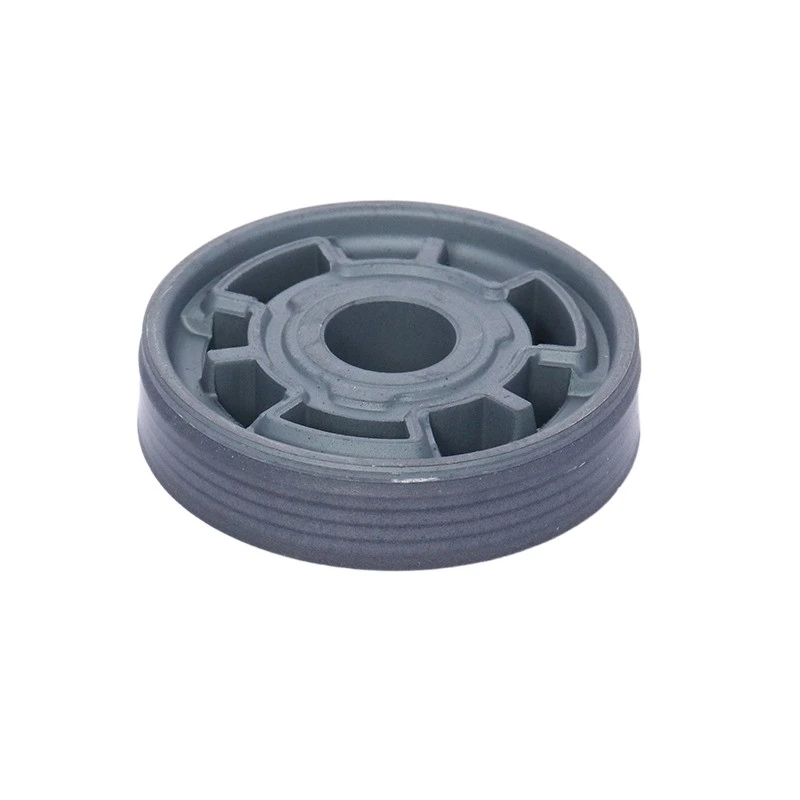
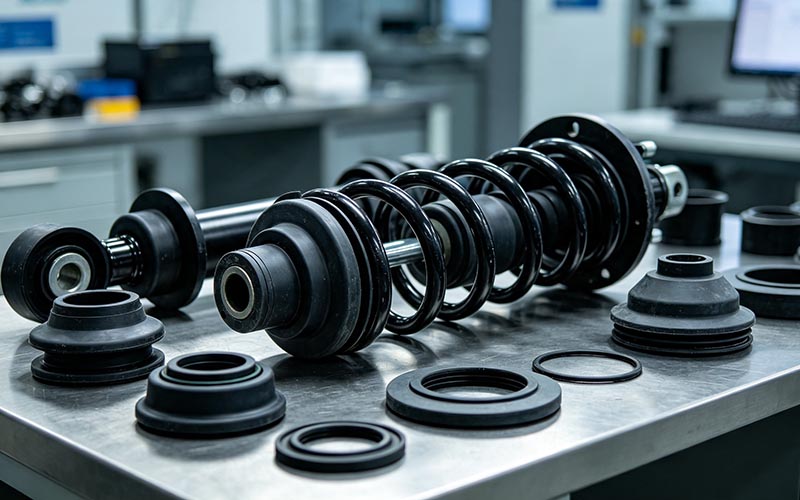
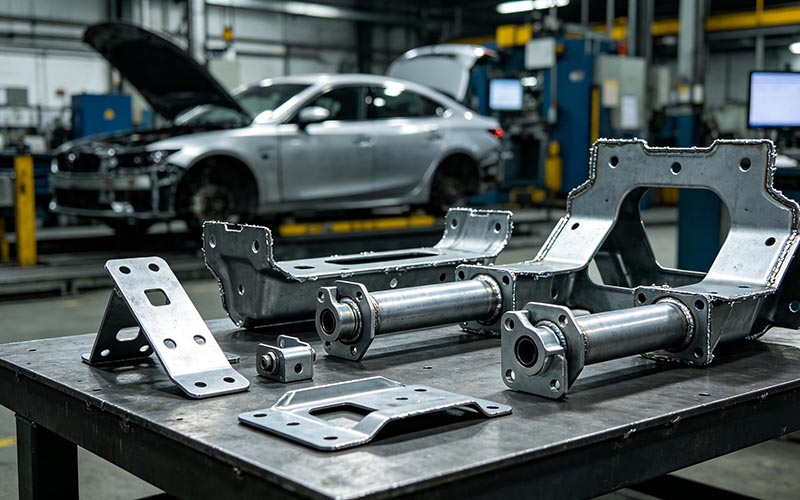
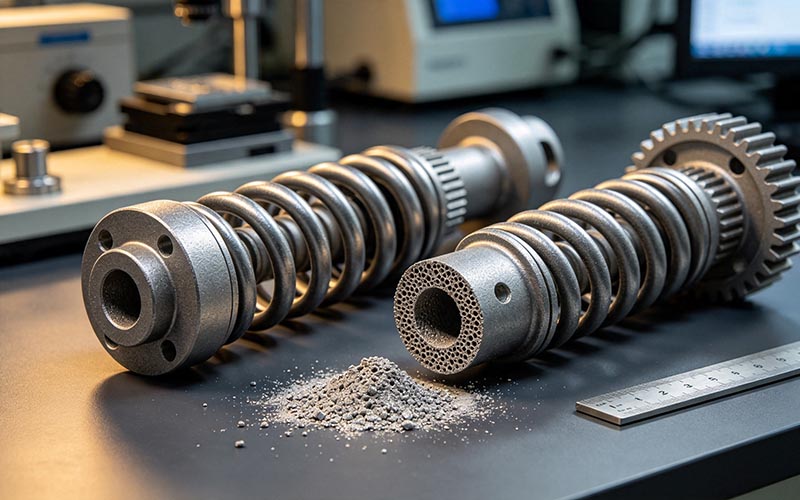
We supply full-category shock absorber components, including pistons, stampings, rubber seals, piston rods, springs, and self-developed banding/grooving machines.
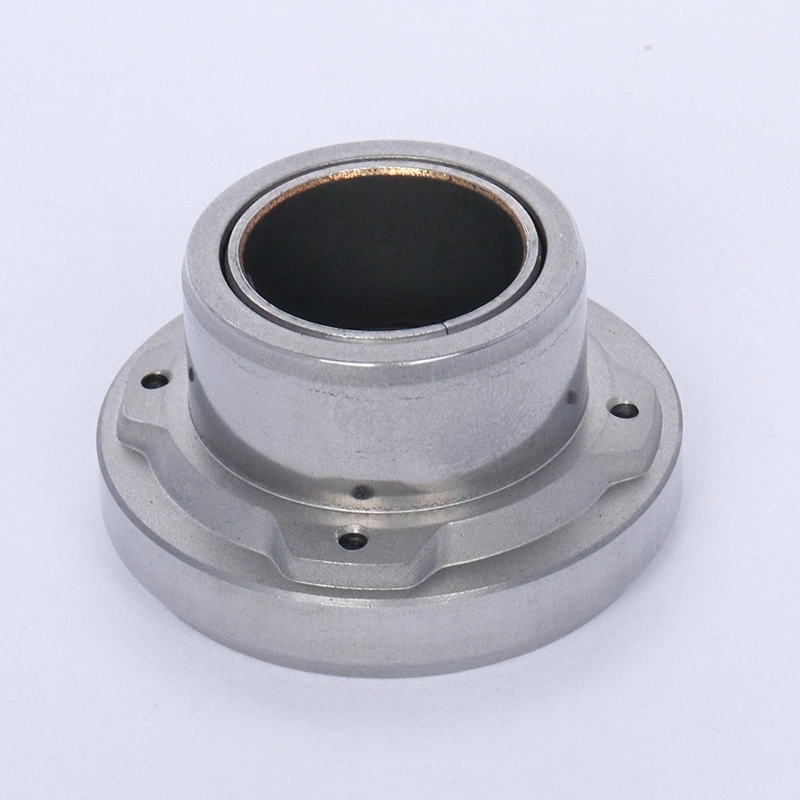
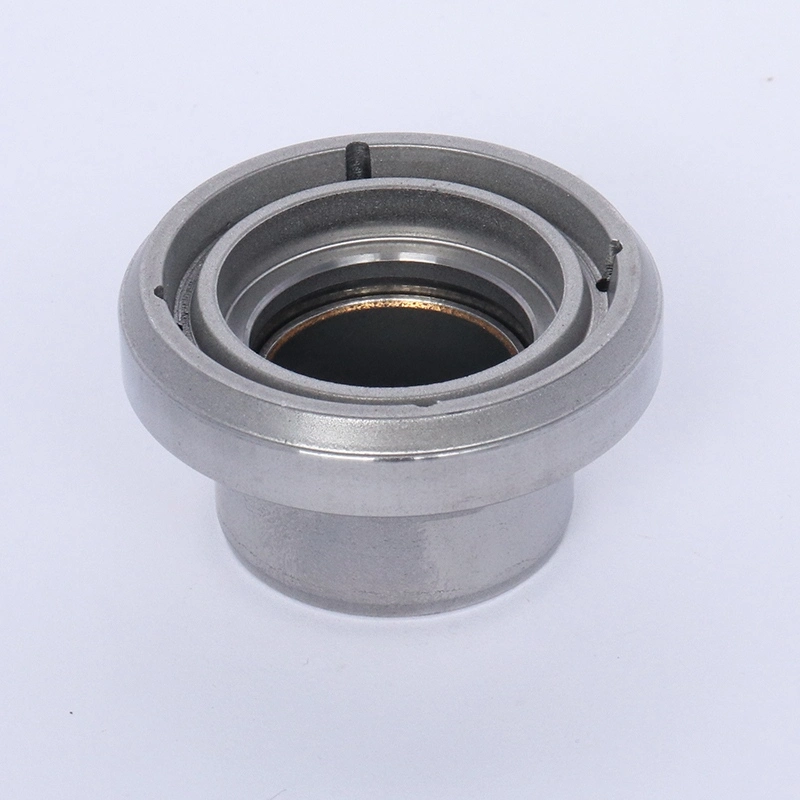
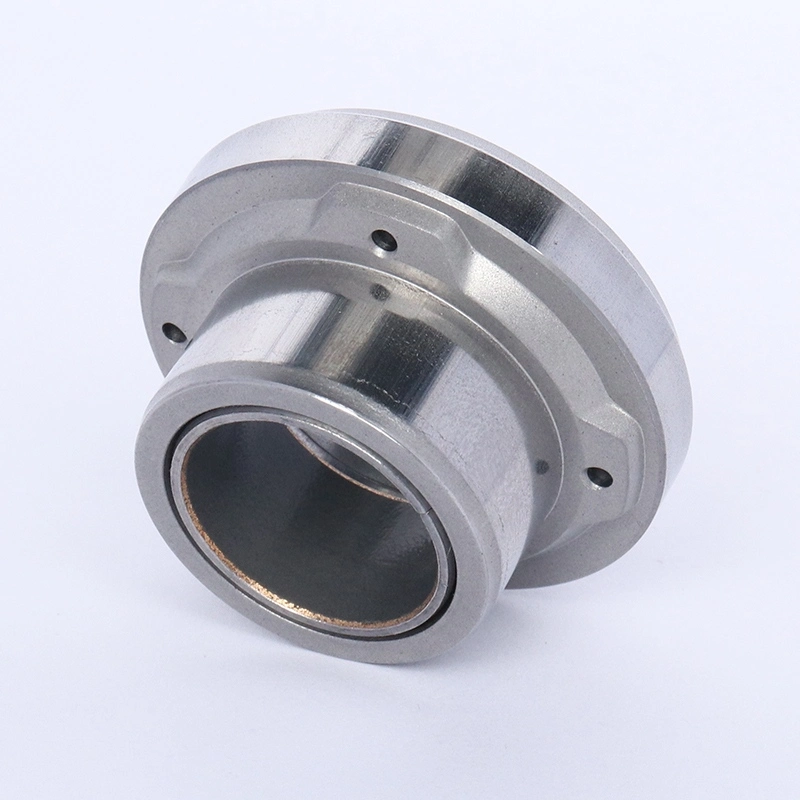
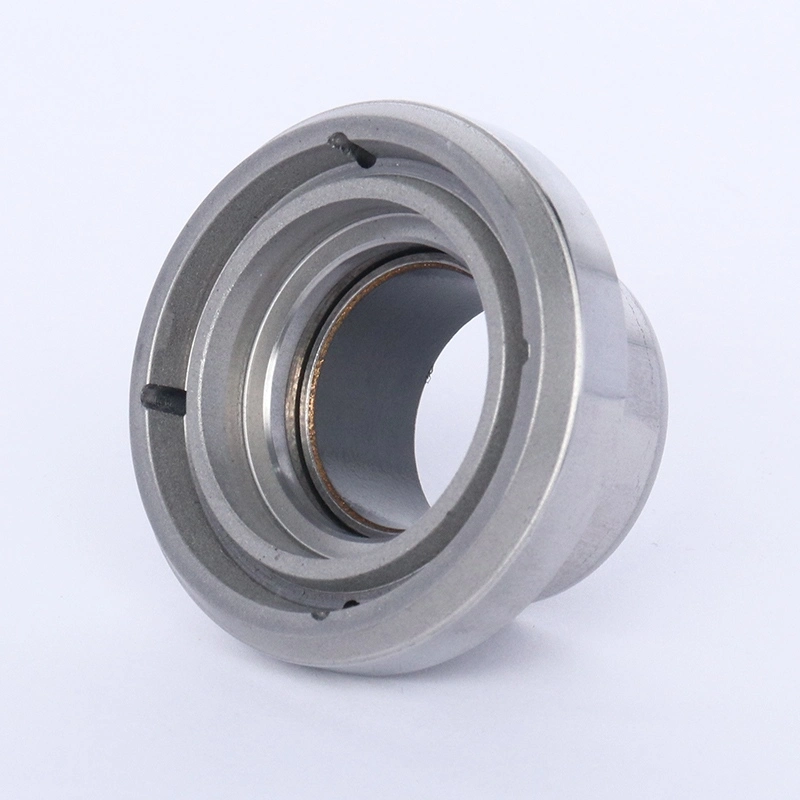
Pull-Out-Resistant Rod Guide
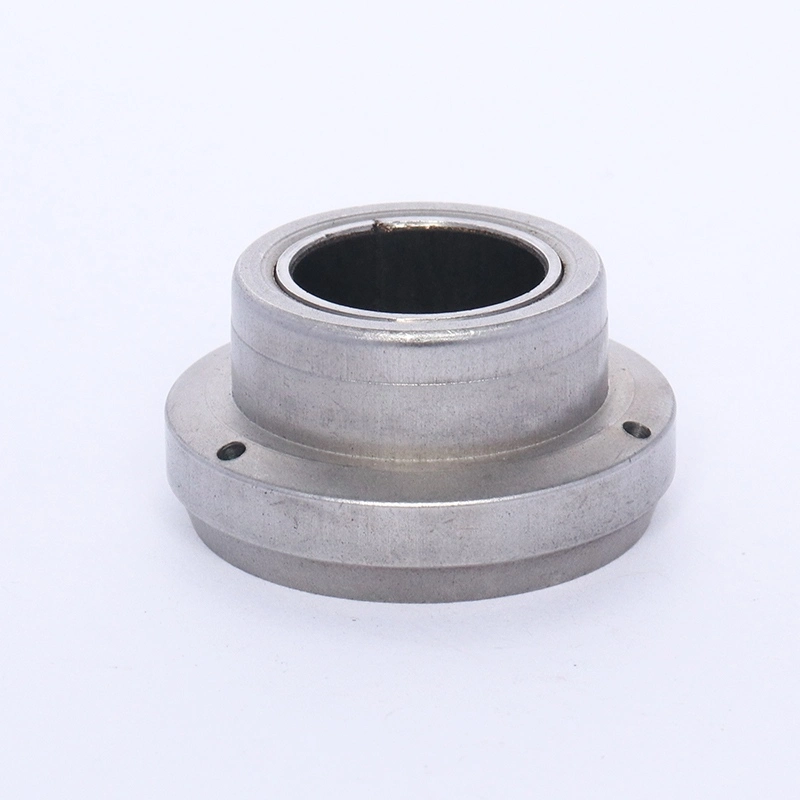
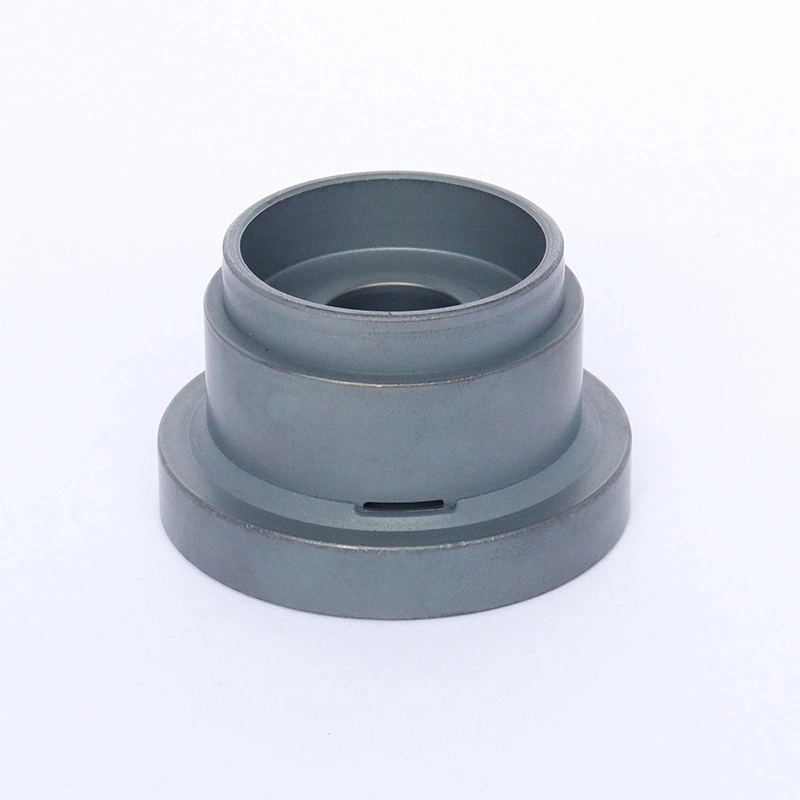
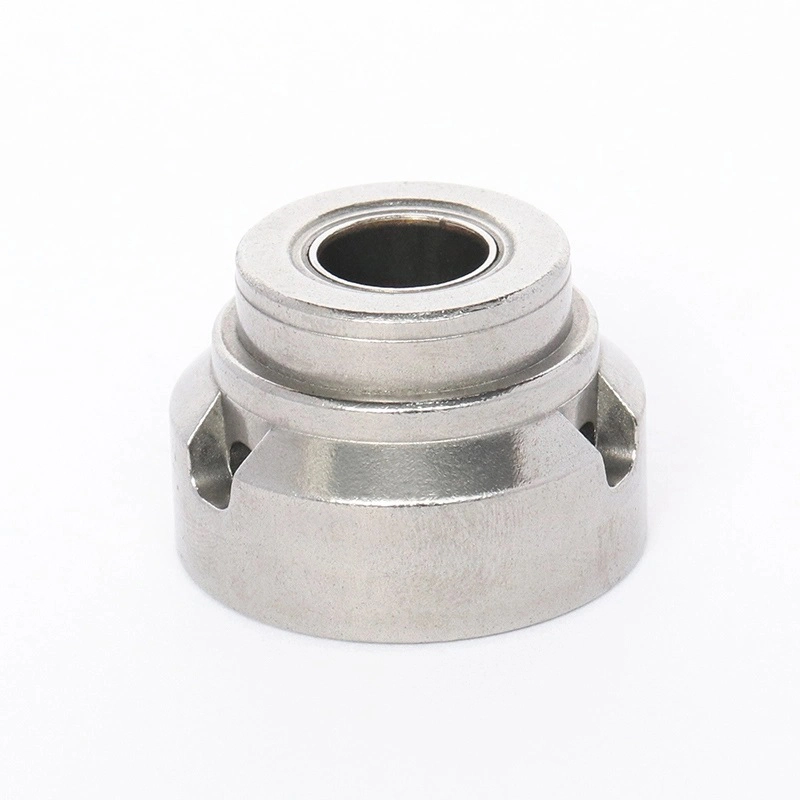
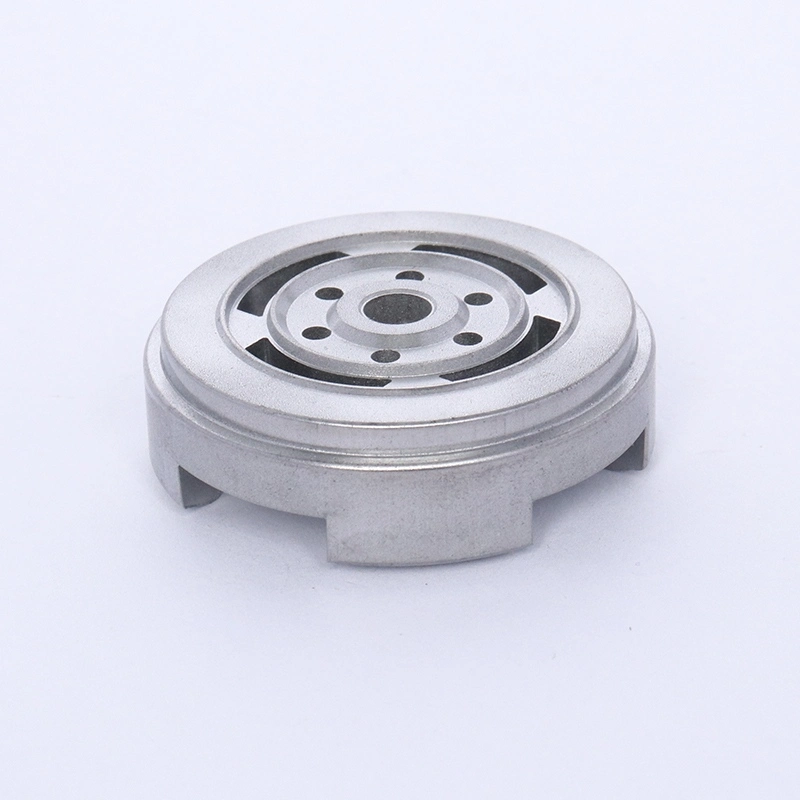
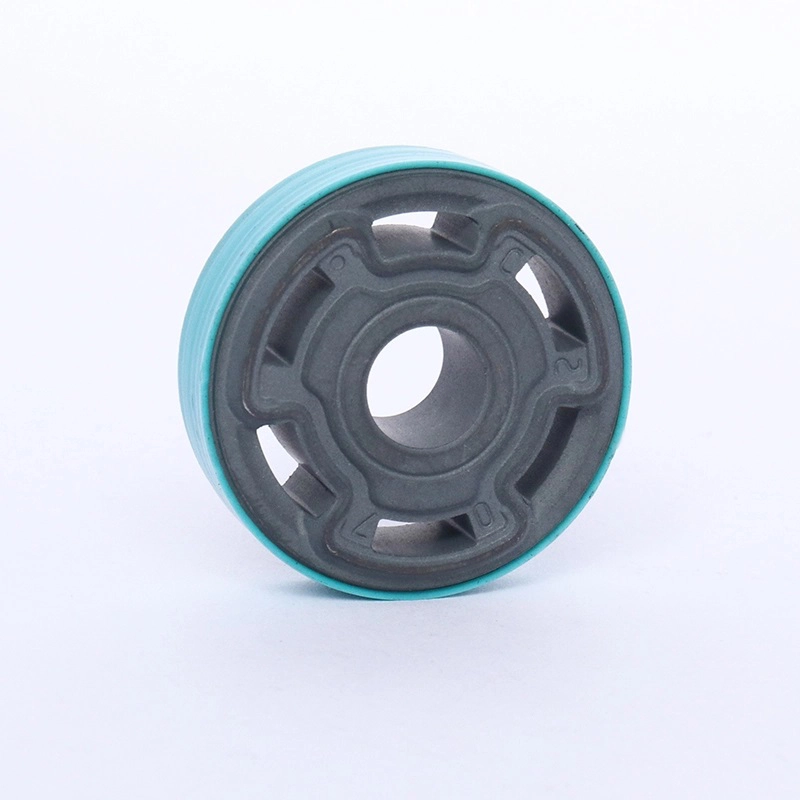
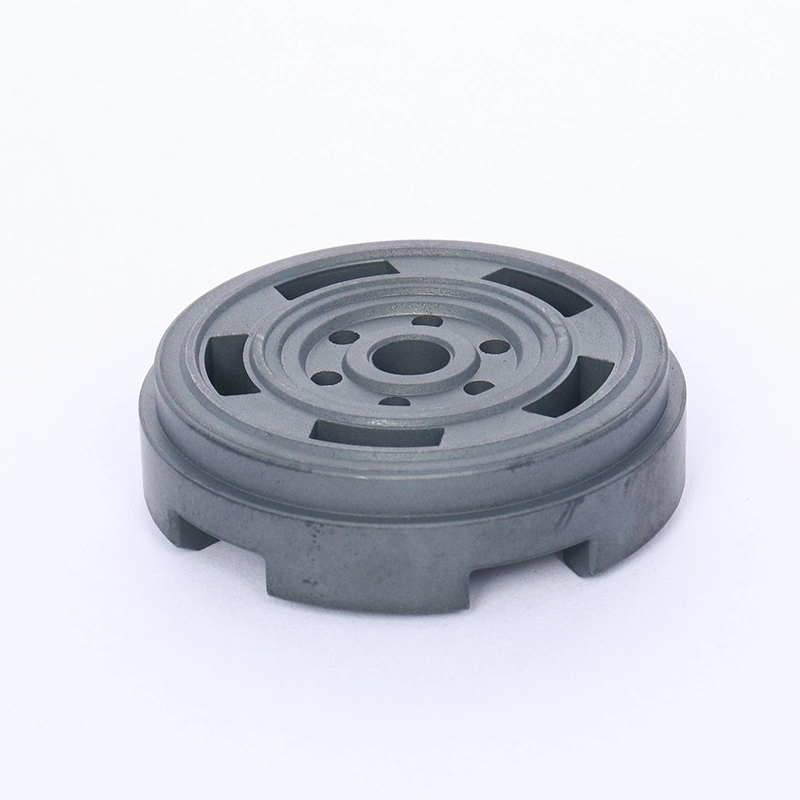
The XIAYI Strong Bushing Pull-Out-Resistant Rod Guide is engineered to improve the connection reliability between the embedded bushing and shock absorber guide body under continuous vibration and alternating loads. Unlike conventional rod guides that mainly rely on interference fitting, this component adopts a reinforced embedded structure and integrated powder metallurgy process to enhance mechanical retention and prevent bushing displacement during long-term operation.
The Strong Bushing Pull-Out-Resistant Rod Guide from XIAYI is specifically developed to strengthen this connection. It uses an embedded tooth structure and integrated reinforcement process to increase the mechanical locking force between
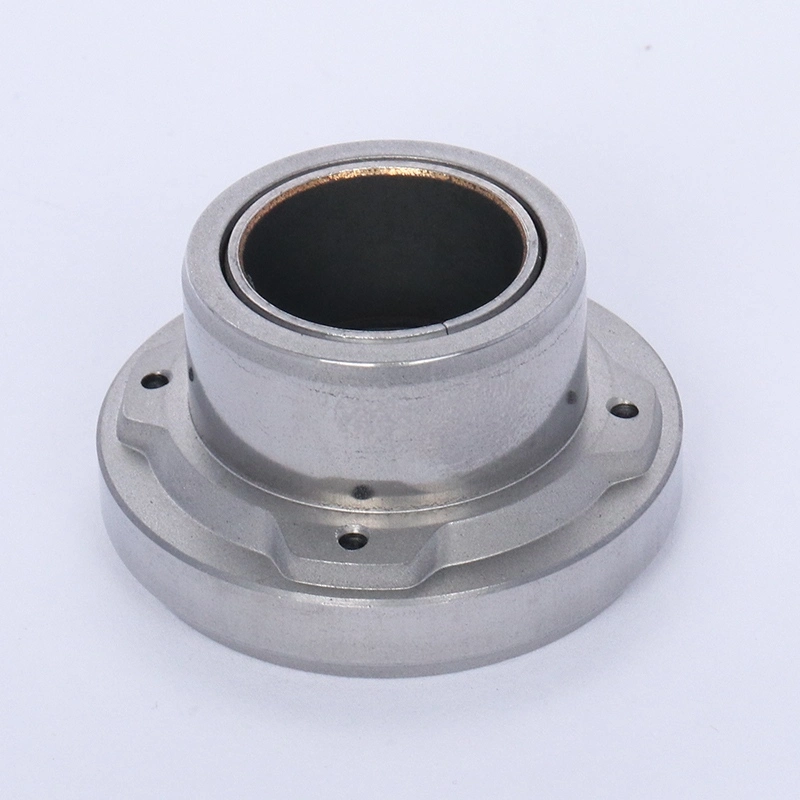
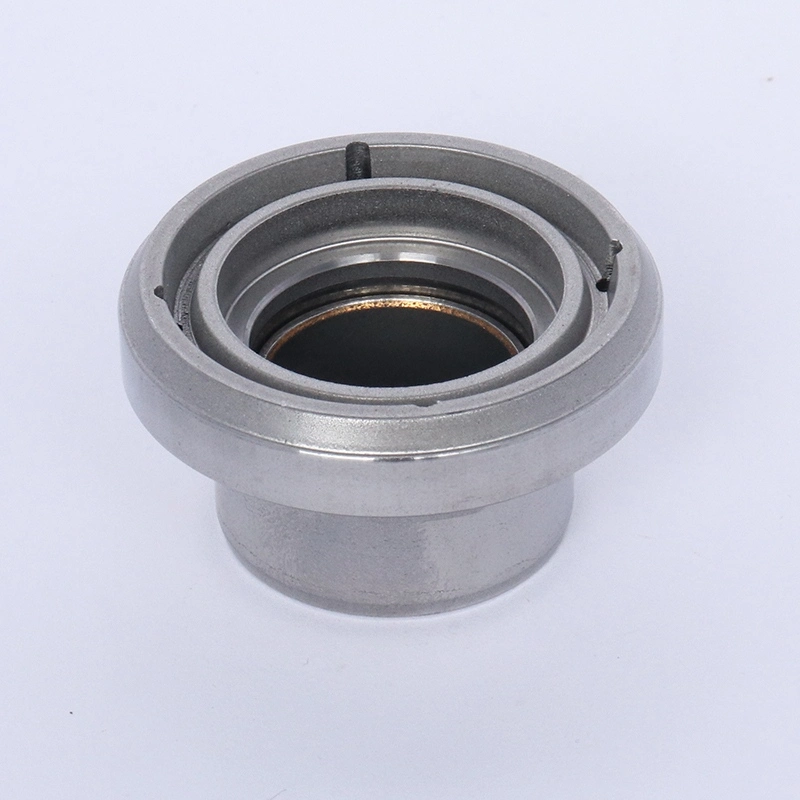
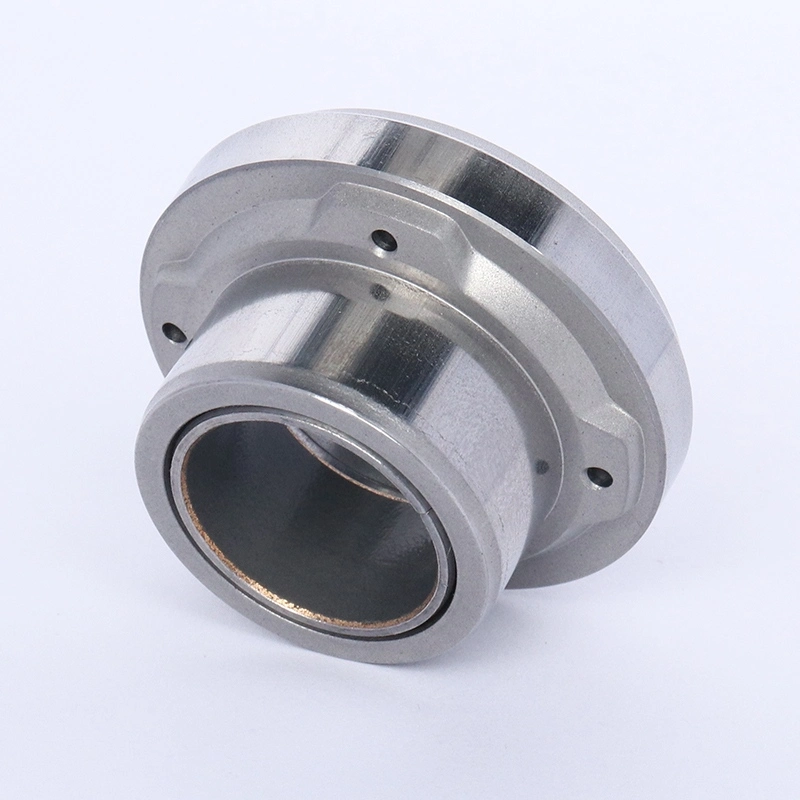
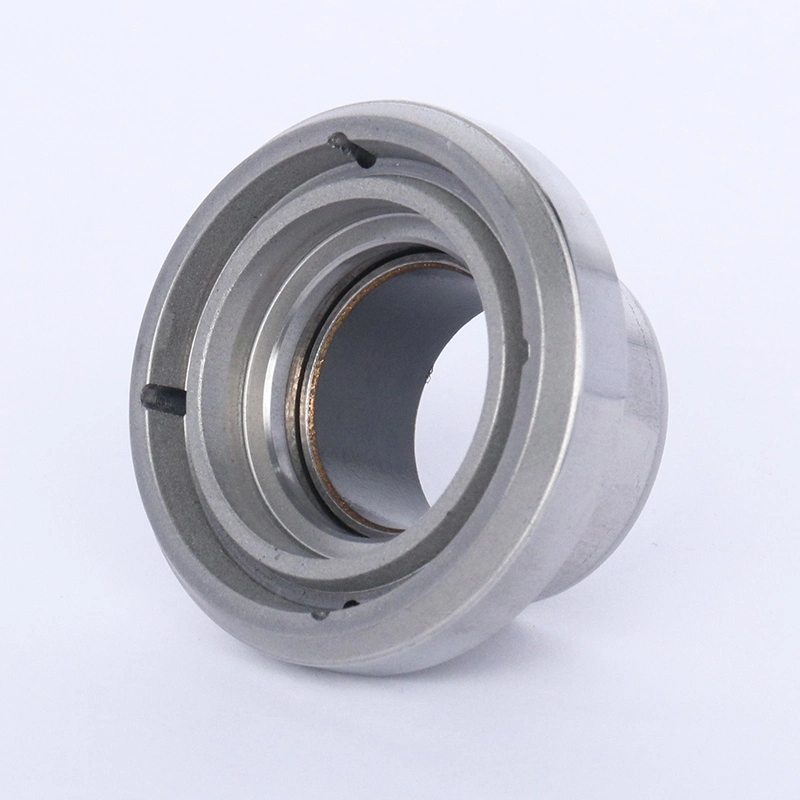
Designed for High-Load Applications
The product is designed for shock absorber systems exposed to frequent vibration, alternating loads and demanding road conditions. Its reinforced bushing structure helps maintain the intended position of the bushing during repeated operation.
The specified pull-out resistance reaches ≥1200 N with no loosening, providing a measurable benchmark for bushing retention performance.
Reinforced Bushing Connection
Embedded Tooth Structure
Unlike a simple interference-fit connection, the Strong Bushing Pull-Out-Resistant Rod Guide uses an internal tooth embedding structure to create mechanical interlocking between the bushing and rod guide body.
During compaction, the bushing embedding depth is controlled within ±0.02 mm. This creates a more consistent mechanical connection before the integrated high-temperature sintering stage.
Resistance to Repeated Loading
Shock absorbers experience continuous alternating forces rather than a single static load. The bushing connection therefore needs to maintain its position throughout repeated vibration cycles.
XIAYI uses high-density powder metallurgy material and integrated sintering at 1120±15°C under a protective atmosphere with H₂ purity ≥99.99%. The specified molding density is ≥6.5 g/cm³, providing a compact structural foundation for the reinforced connection.
PFMEA-Based Risk Prevention
Identifying Potential Failure Modes
Bushing pull-out can result from insufficient embedding depth, uneven material distribution, inadequate sintering or assembly displacement. XIAYI uses PFMEA analysis to identify potential risks before mass production.
The supplied process analysis covers 13 potential risks related to embedding strength, sintering connection and assembly positioning.
12-Step Closed-Loop Production Control
The Strong Bushing Pull-Out-Resistant Rod Guide follows a standardized 12-step process covering material screening, mixing, compaction, pre-sintering, sizing, integrated sintering, reinforcement inspection, surface treatment and final inspection.
| Process No. | Process Name | Key Control Item | Control Standard | Testing Tool | Testing Frequency | Abnormality Handling |
|---|---|---|---|---|---|---|
| 1 | Raw Material Screening | Iron powder purity, alloy uniformity | Purity ≥99.5%, no impurity agglomeration | Spectrometer, flow meter | 1 time per batch | Return entire unqualified batch |
| 2 | Batching & Mixing | Component ratio, mixing uniformity | Alloy element deviation ≤±0.1% | Component analyzer | 3 times per batch | Secondary mixing for uneven materials |
| 3 | Enhanced Compaction | Molding density, bushing embedding depth | Density ≥6.5 g/cm³, embedding depth tolerance ±0.02 mm | Electronic scale, depth gauge | First piece + 1/20 pcs | Adjust compaction pressure & mold position |
| 4 | Pre-sintering Treatment | Temperature & holding time | 900±10°C, 60±5 min | Furnace temperature recorder | Real-time full monitoring | Calibrate furnace body if temperature deviates |
| 5 | Initial Sizing | Overall dimension, flatness | OD deviation ±0.1 mm, flatness ≤0.05 mm | Caliper, flatness gauge | 1/50 pcs | Fine-tune sizing mold |
| 6 | High-Temp Integrated Sintering | Sintering temperature, bushing bonding tightness | 1120±15°C, H₂ purity ≥99.99%, no virtual bonding | Dual-zone temperature controller | Real-time monitoring + hourly record | Adjust sintering curve for abnormal bonding |
| 7 | Precision Sizing | Key inner and outer diameter precision | ID φ12±0.02 mm, OD φ28±0.03 mm | 2D vision measuring machine | First piece + 1/10 pcs | Replace sizing punch for out-of-tolerance parts |
| 8 | Reinforcement Inspection | Bushing pull-out resistance, structural stability | Pull-out resistance ≥1200 N, no loosening | Tensile testing machine | 1/30 pcs | Re-sinter unqualified products |
| 9 | Steam Surface Treatment | Surface hardness, rust resistance | HV800±50, salt spray resistance ≥48 h | Vickers hardness tester, salt spray chamber | 5 samples per batch | Extend treatment time for unqualified hardness |
| 10 | Precision Burr-Free Grinding | Surface roughness, parallelism | Ra≤0.4 μm, parallelism ≤0.02 mm | Roughness tester, dial indicator | 1/20 pcs | Replace grinding wheel for unqualified roughness |
| 11 | Cleaning & Drying | Residual oil, surface cleanliness | Oil residue ≤5 mg/piece, no dust impurities | Weighing method, moisture detector | 1 time per batch | Secondary ultrasonic cleaning |
| 12 | Full-Final Inspection | Full dimension, pull-out resistance, damping performance | Meet drawing standards, stable tensile performance | CMM, tensile tester, damping test bench | 100% full inspection | Isolate and rework unqualified products |
Structural Reliability in Service
Preventing Bushing Displacement
Bushing displacement may begin as small relative movement before developing into complete pull-out. The embedded tooth structure increases mechanical retention and helps prevent progressive movement during high-frequency vibration.
According to the supplied production data, the pull-out failure rate can be controlled to ≤0.08%.
Supporting Stable Shock Absorber Operation
When the bushing moves from its intended position, piston rod guidance can become unstable and may contribute to abnormal noise or uneven wear.
By maintaining the bushing position, the reinforced structure helps preserve the intended relationship between the rod guide and piston rod. The supplied data reports an abnormal noise rate reduction of 95%.
Maintaining Performance in Harsh Conditions
The component uses high-purity iron-carbon-copper powder metallurgy material with a molding density of ≥6.5 g/cm³. Steam surface treatment can provide hardness up to HV800±50 and salt spray resistance of ≥48 hours.
These characteristics support applications exposed to vibration, moisture and alternating mechanical loads.
Customer Pain Points & Targeted Solutions
The Strong Bushing Pull-Out-Resistant Rod Guide is designed to address failure at the bushing-to-body interface rather than relying only on final assembly inspection.
| Customer Pain Point | Root Cause | XIAYI Anti-Pull-Out Solution | Optimization Effect |
|---|---|---|---|
| Bushing loosening & pull-out after long-term vibration | Ordinary interference fit, insufficient mechanical bite force | Embedded tooth structure + integral sintering reinforcement | Pull-out failure rate ≤0.08% |
| Damping jitter & abnormal noise | Bushing micro-displacement leads to guiding deviation | Full-process PFMEA risk pre-control + reinforced bonding | Abnormal noise rate reduced by 95% |
| Accelerated piston rod wear & seal damage | Unstable bushing position & poor coaxiality | One-shot precise forming + full-size calibration | Wear rate reduced from 5% to 0.2% |
| Batch inconsistent anti-vibration performance | Unlocked sintering & embedding parameters | 12-step closed-loop control + SPC parameter locking | Batch performance difference ≤3% |
| Low assembly yield & after-sales oil leakage | Residual burrs & unqualified flatness | Burr-free finishing + Ra≤0.4 μm precision control | Assembly yield up to 99.8% |
Real Application Case
Bushing Pull-Out in Motorcycle Shock Absorbers
A well-known European high-end motorcycle shock absorber manufacturer had long been troubled by bushing pull-out failure of ordinary rod guides. Its traditional rod guides adopted a simple interference assembly structure.
Under long-term high-frequency vibration and bumpy road conditions, the built-in bushings were prone to micro-loosening and displacement, and could eventually pull out in severe cases. The resulting damping attenuation, jitter and abnormal noise caused an after-sales failure rate of 2.8%.
Results After Reinforced Design
After replacing the conventional components with the Strong Bushing Pull-Out-Resistant Rod Guide, the customer achieved stronger bushing retention.
The embedded tooth structure and integrated high-density sintering process improved the connection between the bushing and main body. Supported by PFMEA risk prevention and 12-step quality control, the components maintained stable retention after 120,000 high-frequency fatigue vibration cycles and 240-hour salt spray durability tests.
The customer's after-sales failure rate decreased to 0.07%, while assembly pass rate increased from 95.2% to 99.8%. XIAYI subsequently became its long-term supplier for high-load motorcycle shock absorber rod guides, with an annual stable order volume of approximately 200,000 pieces.
Surface Finish and Supporting Protection
Burr-Free Functional Surfaces
Although bushing retention is the primary design focus, the surrounding functional surfaces also require controlled finishing. XIAYI applies precision burr-free grinding with surface roughness of Ra≤0.4 μm and parallelism of ≤0.02 mm.
Ultrasonic cleaning further removes residual oil and particles before final inspection, helping maintain a clean component condition during assembly.
Surface Hardness and Corrosion Resistance
Steam surface treatment can increase surface hardness to HV800±50 and provide neutral salt spray resistance of ≥48 hours. This helps the component withstand moisture and repeated mechanical loading in demanding damping environments.
Frequently Asked Questions
Why can a bushing become loose inside a rod guide?
Repeated vibration, alternating loads and insufficient mechanical retention can gradually create relative movement between the bushing and rod guide body. An embedded mechanical structure provides stronger resistance than a basic interference fit.
What is the specified pull-out resistance?
The production specification requires a bushing pull-out resistance of ≥1200 N with no loosening.
How does the embedded tooth structure work?
The internal tooth structure mechanically interlocks with the bushing during the forming and sintering process, increasing resistance to axial displacement.
Is this product suitable for high-vibration applications?
Yes. It is designed for high-load and high-frequency vibration conditions, including motorcycle, new energy vehicle, commercial vehicle and industrial damping systems.
Can the bushing structure be customized?
Yes. XIAYI can customize bushing dimensions, embedding depth, structural features and pull-out resistance requirements according to customer drawings, samples and application conditions.
Application and XIAYI Manufacturing Capability
Applications Requiring High Retention
The Strong Bushing Pull-Out-Resistant Rod Guide is suitable for passenger vehicles, new energy vehicles, high-end motorcycles, commercial vehicles and industrial damping equipment where secure bushing retention and long-term structural reliability are required.
XIAYI Quality Commitment
With nearly 20 years of powder metallurgy manufacturing experience and a standardized 5,000-square-meter factory, XIAYI provides precision shock absorber components for international OEM customers. Its quality management system conforms to IATF 16949:2016, with production covering material screening, reinforced forming, integrated sintering, pull-out testing, surface treatment and final inspection.
Hot Tags: Pull-Out-Resistant Rod Guide Manufacturer, Pull-Out Test Rod Guide Supplier, Anchor Rod Guide Wholesale
Send Inquiry
Contact Info
-
Address
No.209 Lane 520 Tongning Rd,Qianjiang Street,Jiangbei District, Ningbo City, Zhejiang Province, China
-
Tel
-
Email
Get a Tailored Quote for Your Shock Absorber Parts
Why Global Buyers Choose Ningbo Xiayi:
✓ IATF 16949 Certified — Defect rate strictly controlled below 0.1%.
✓ Full-Category Supply — Pistons, rods, springs, stampings & rubber parts.
✓ R&D Support — Custom powder metallurgy formulas & 7-10 day rapid prototyping.
✓ Proven Capacity — 50 million core pistons produced annually for global OEMs.
Ready to start? Complete the form below and our engineering team will respond within 24 hours with a custom recommendation.