- Home
- About Us
- Products
- News
- Download
- Send Inquiry
- Contact Us

Products
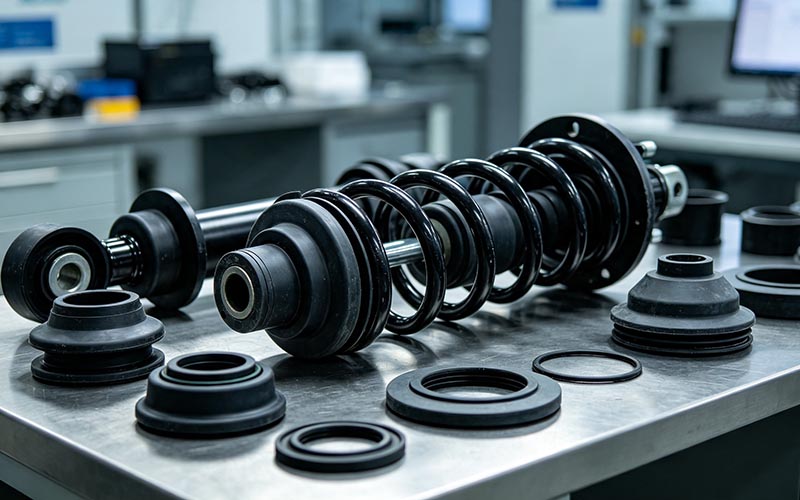
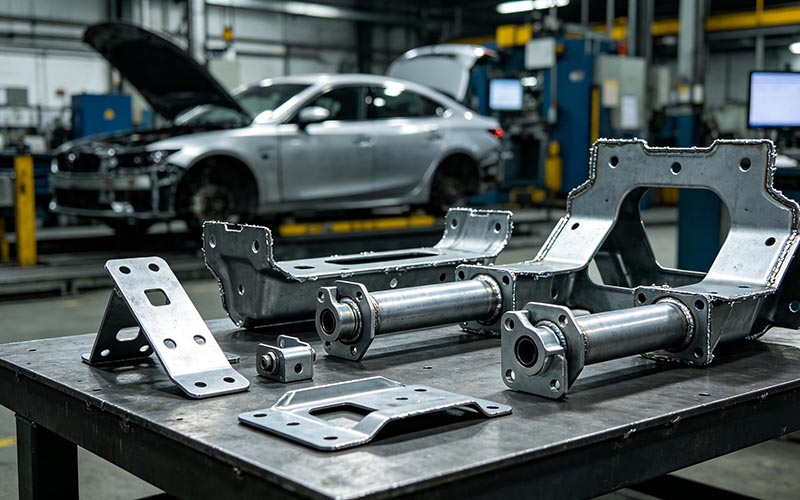
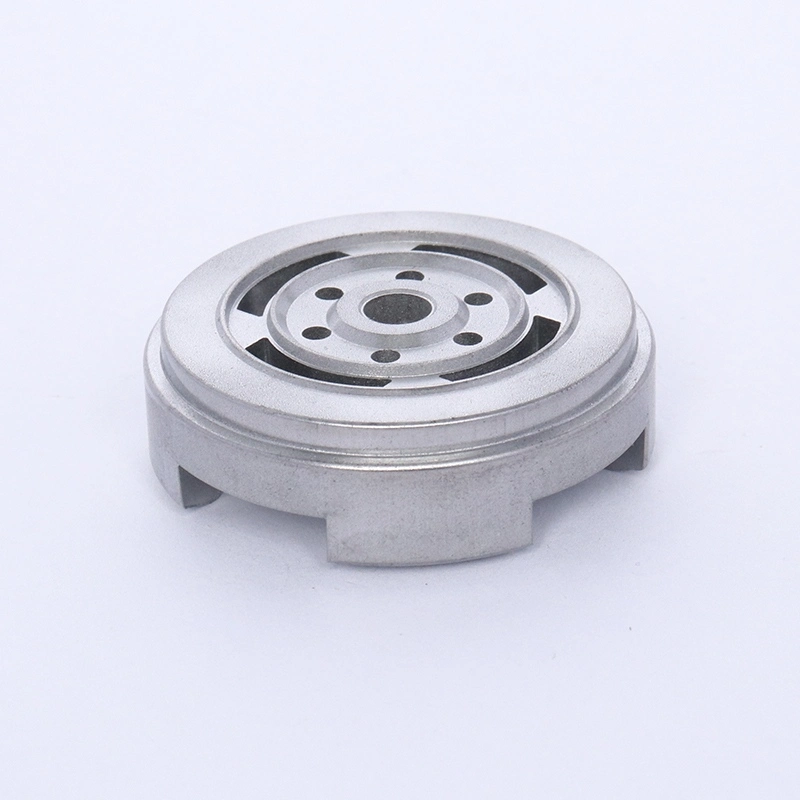
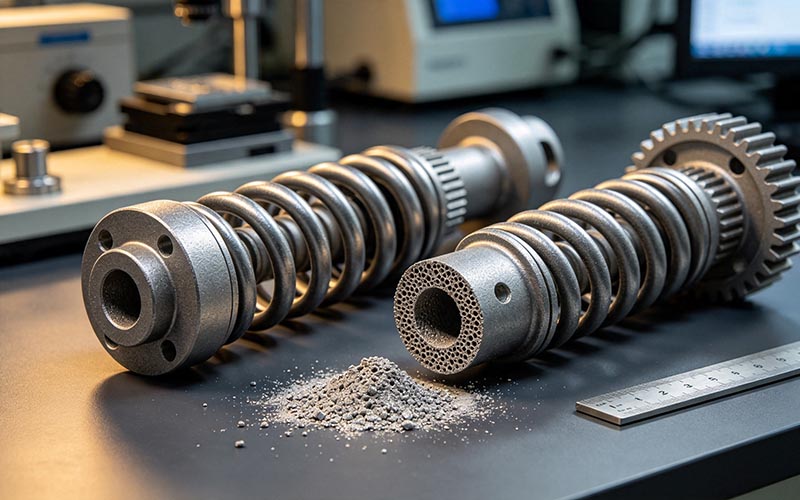
We supply full-category shock absorber components, including pistons, stampings, rubber seals, piston rods, springs, and self-developed banding/grooving machines.
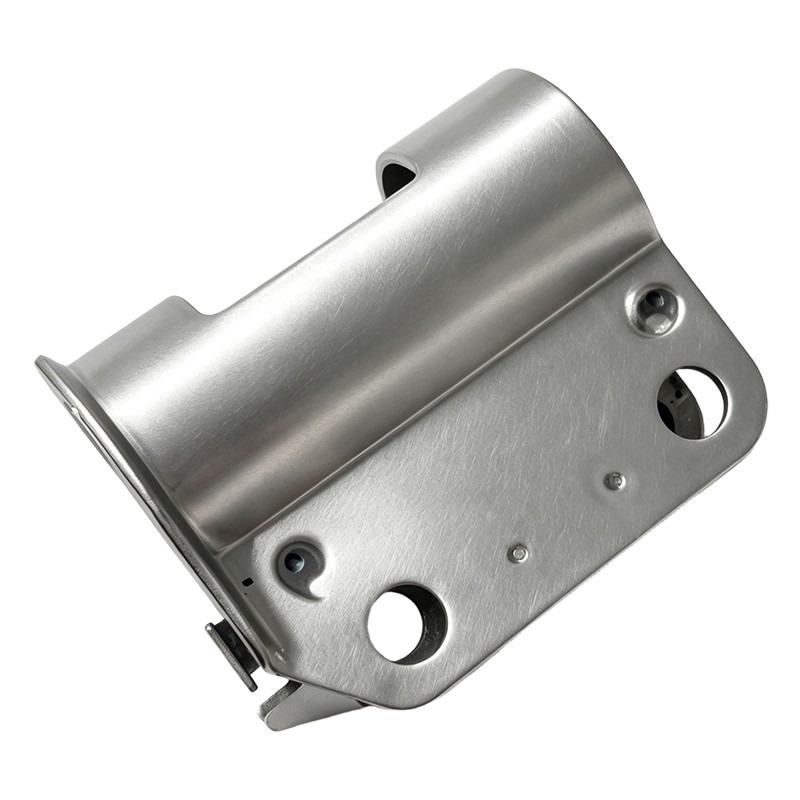
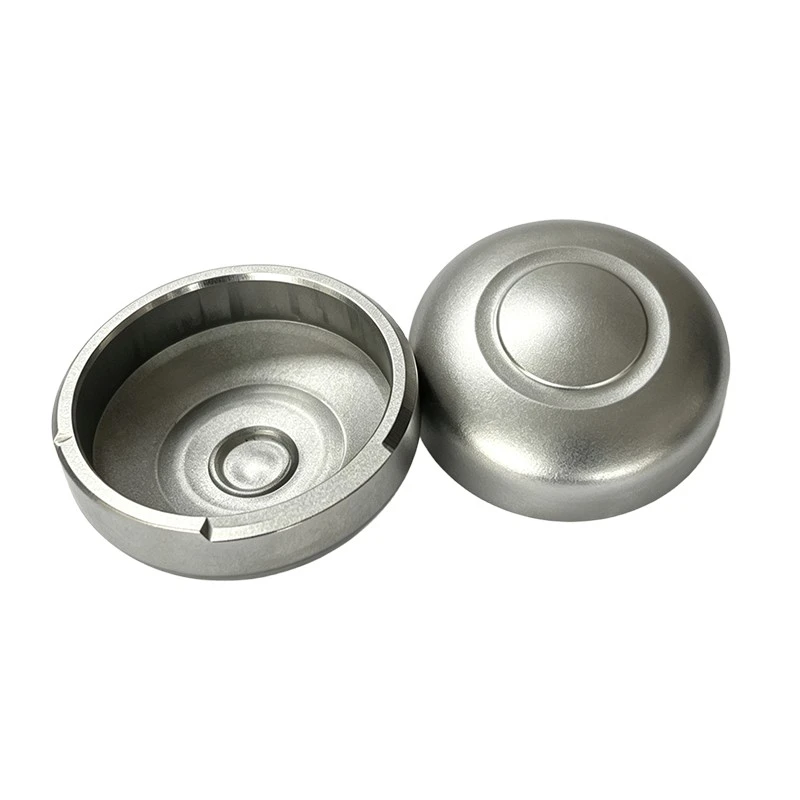
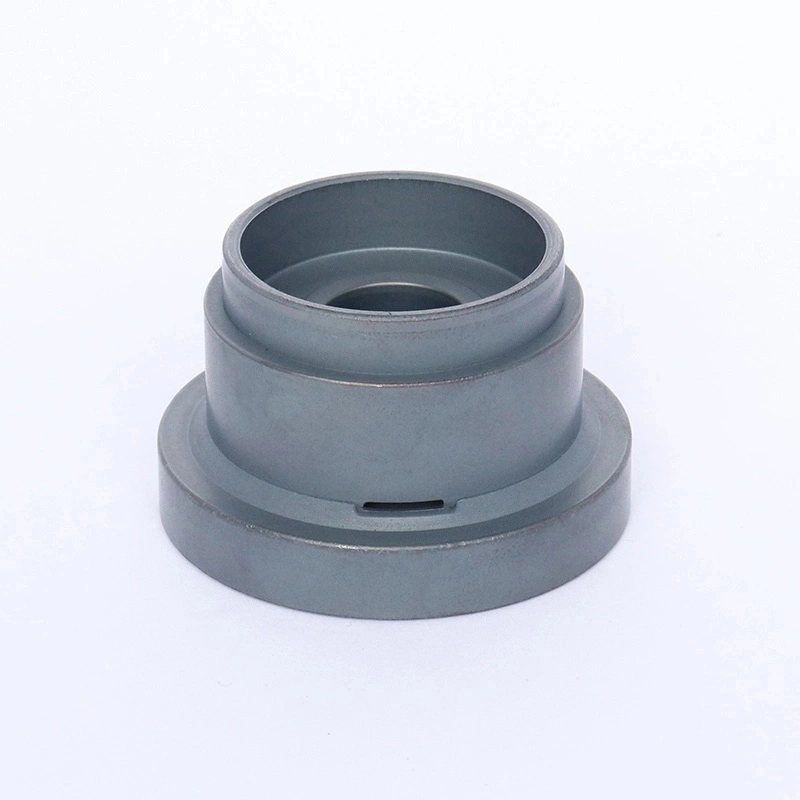
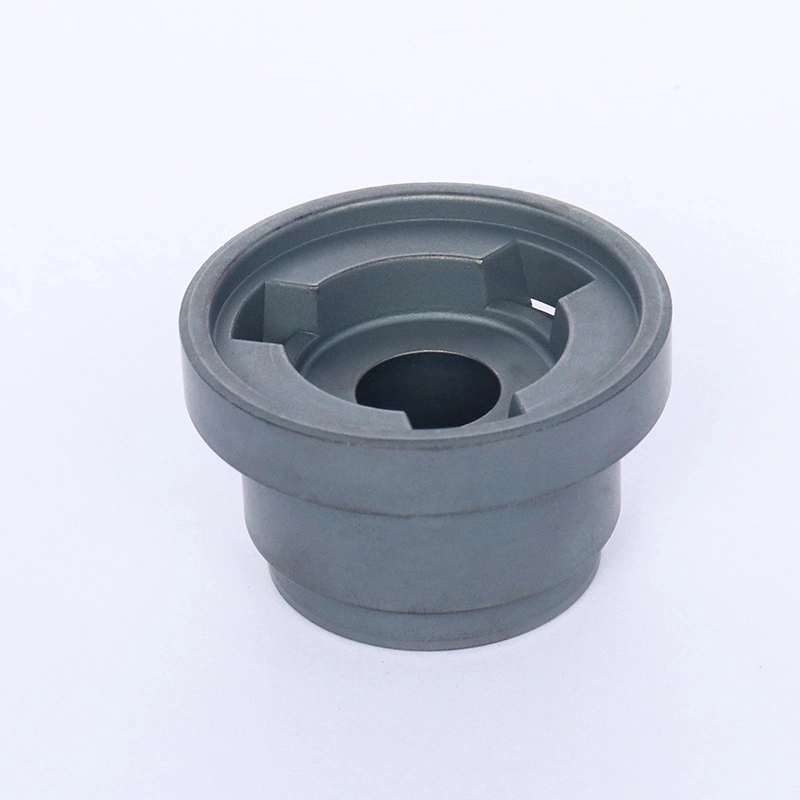
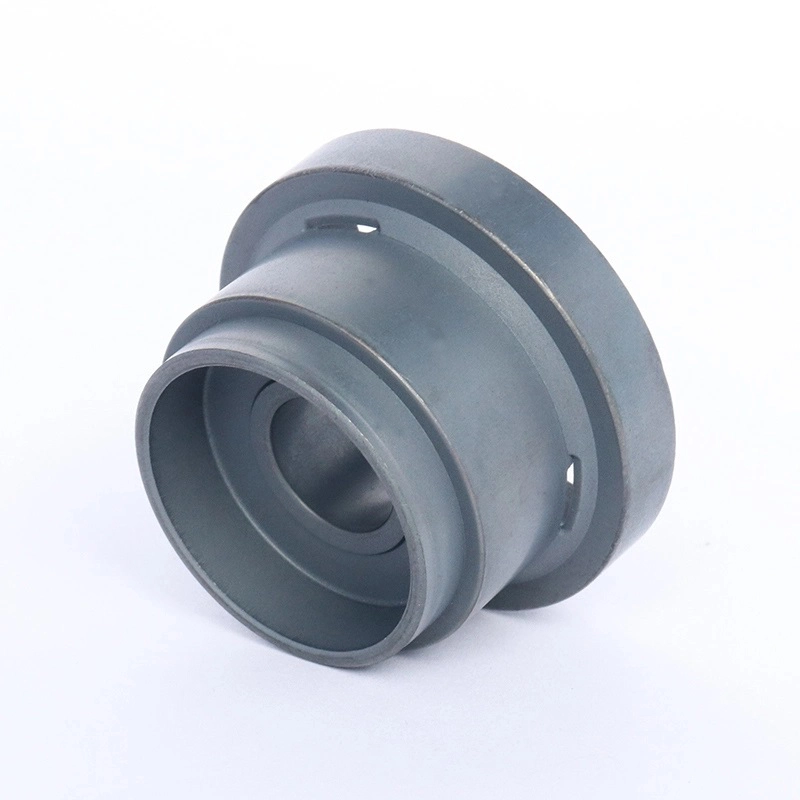
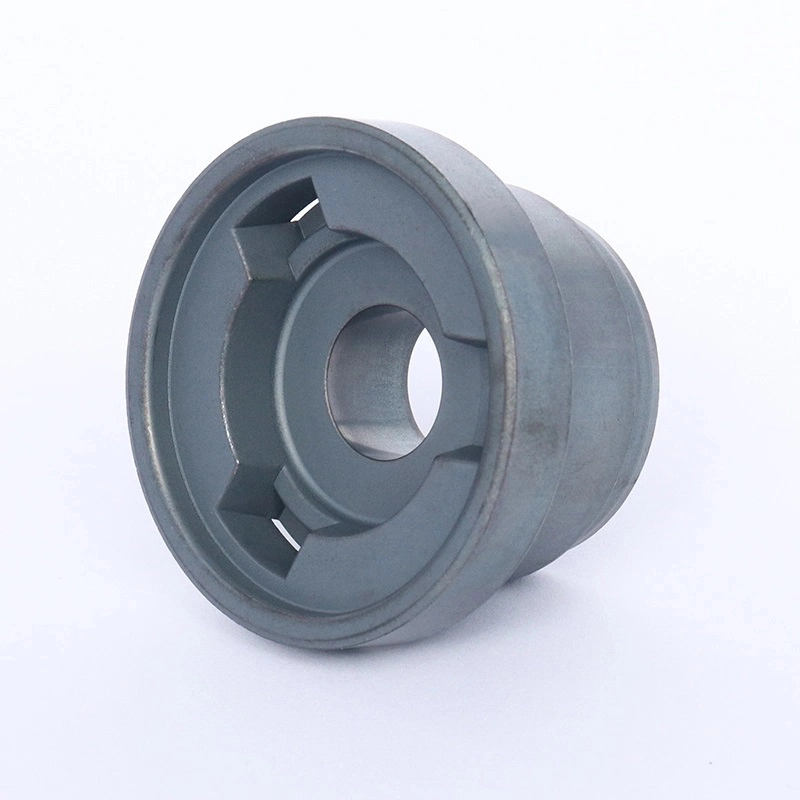
Optimized Dimension Rod Guide
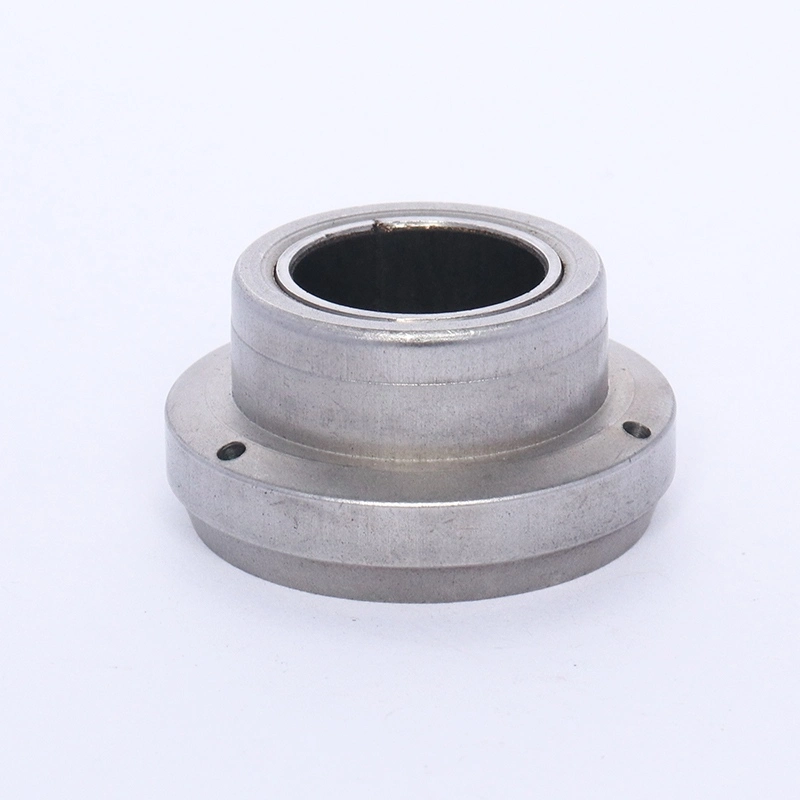
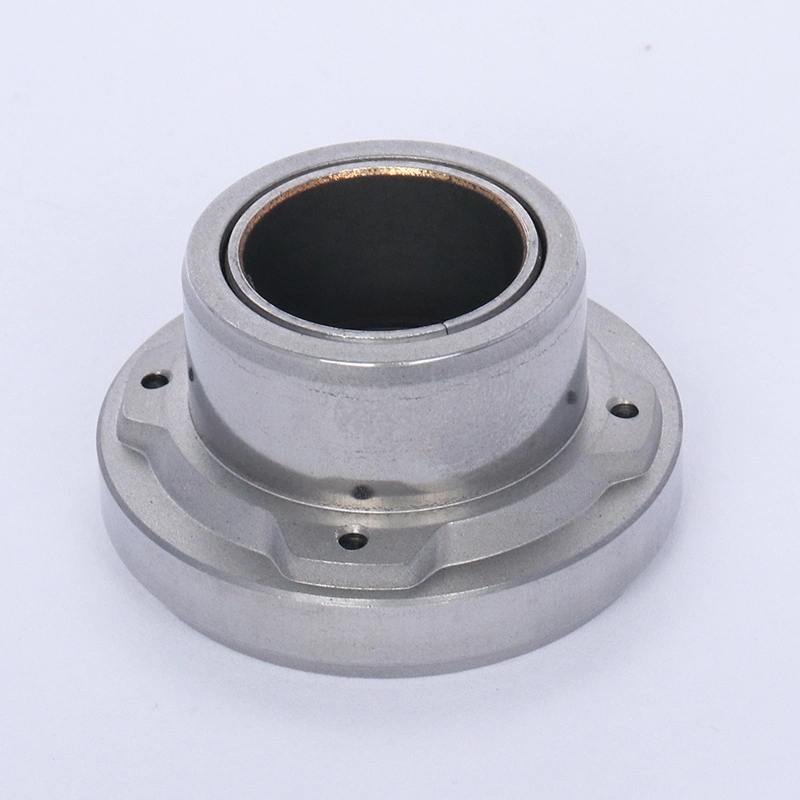
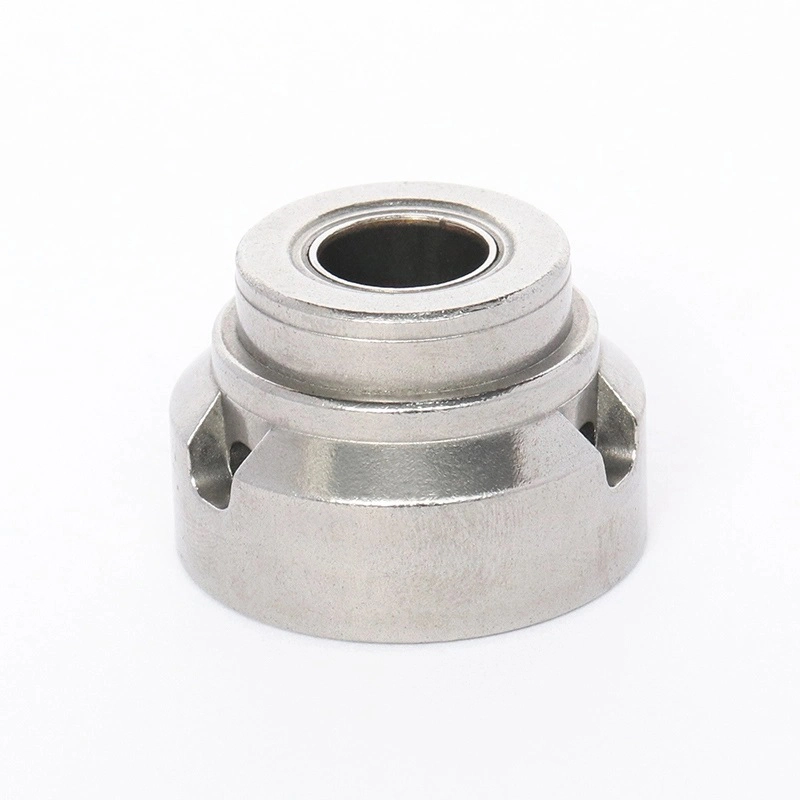
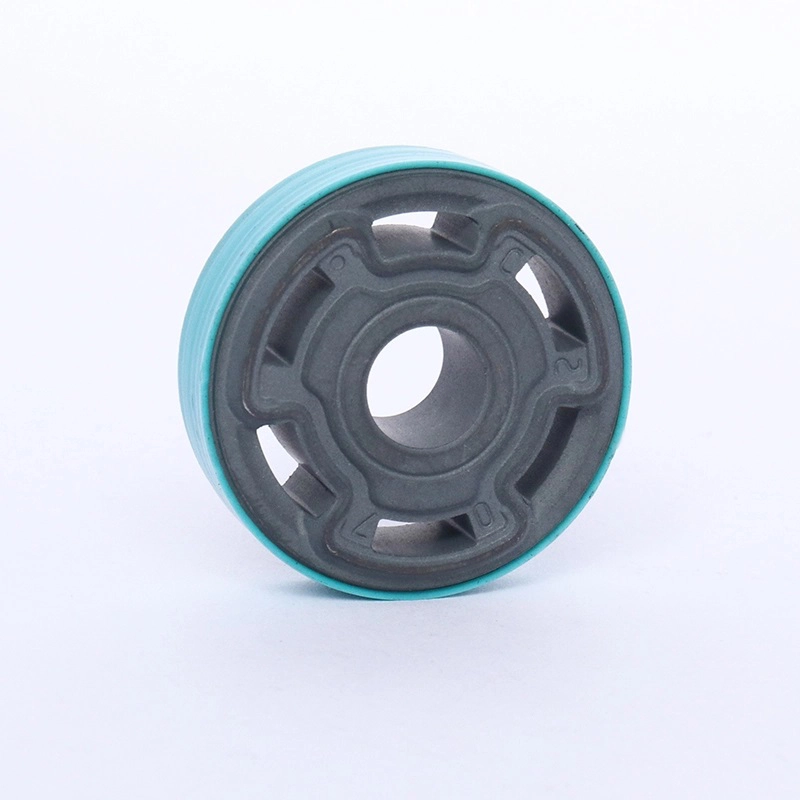
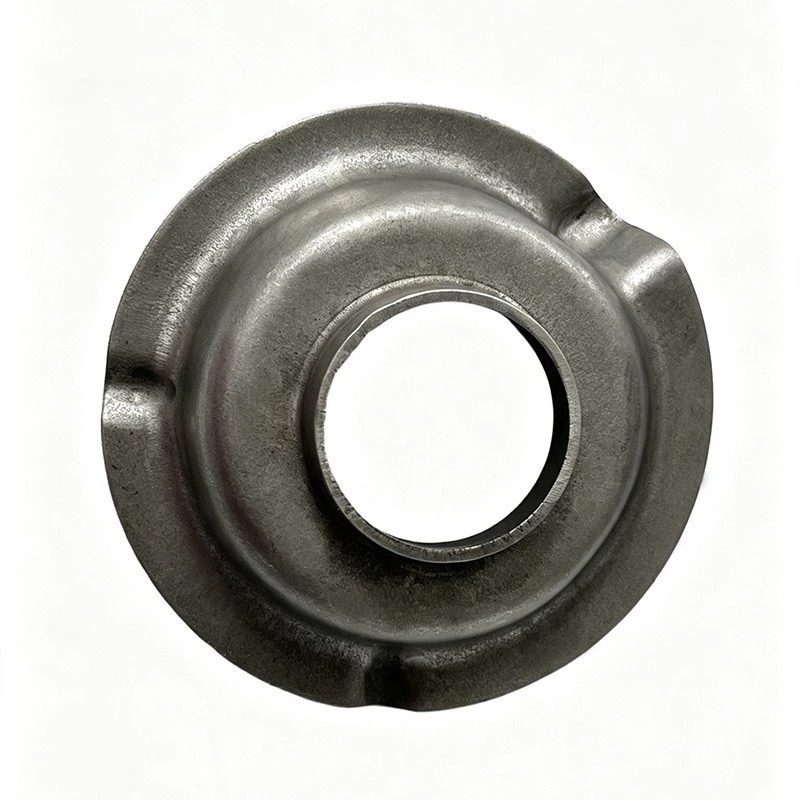
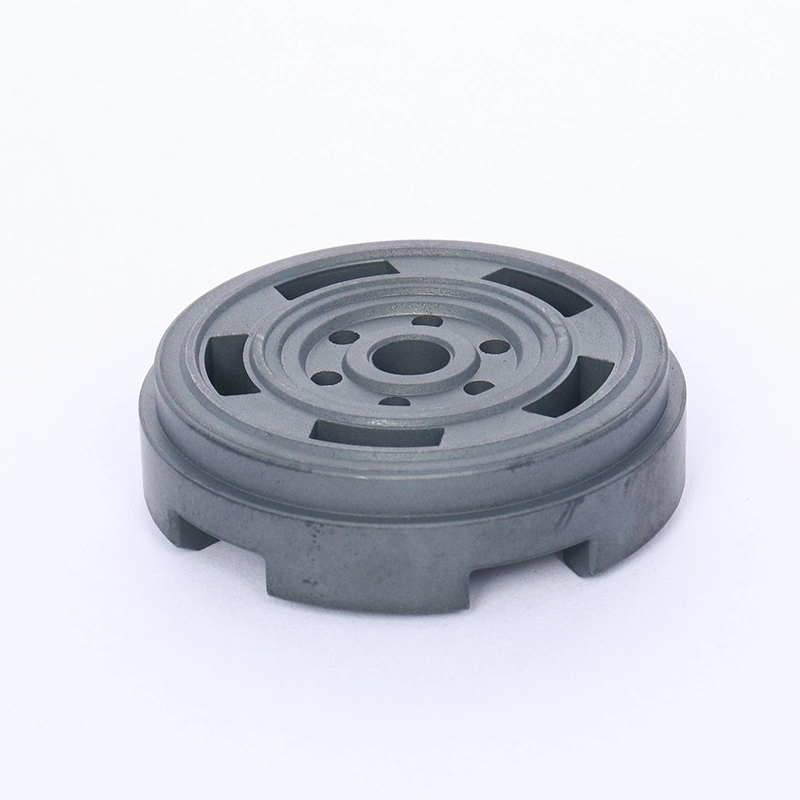
The Optimized Dimension Rod Guide For Oil Seal Matching from XIAYI is developed around one critical requirement of shock absorber assembly: achieving a reliable dimensional interface between the rod guide and oil seal. Instead of using a universal tolerance range for every application, XIAYI evaluates key fitting dimensions, concentricity, end-face geometry and chamfer design according to different sealing requirements. This approach helps reduce installation interference, uneven sealing pressure and oil seal lip damage during piston rod movement.
The Optimized Dimension Rod Guide For Oil Seal Matching from XIAYI is developed to improve the dimensional relationship between rod guides and shock absorber oil seals. Unlike standard rod guides using fixed tolerance ranges, it focuses on key dimensions such as inner diameter, outer diameter, concentricity and chamfer geometry.
By controlling these fitting areas, the component helps reduce excessive clearance, assembly interference and oil seal deflection, providing a more stable sealing interface for automotive, motorcycle and new energy vehicle shock absorbers.
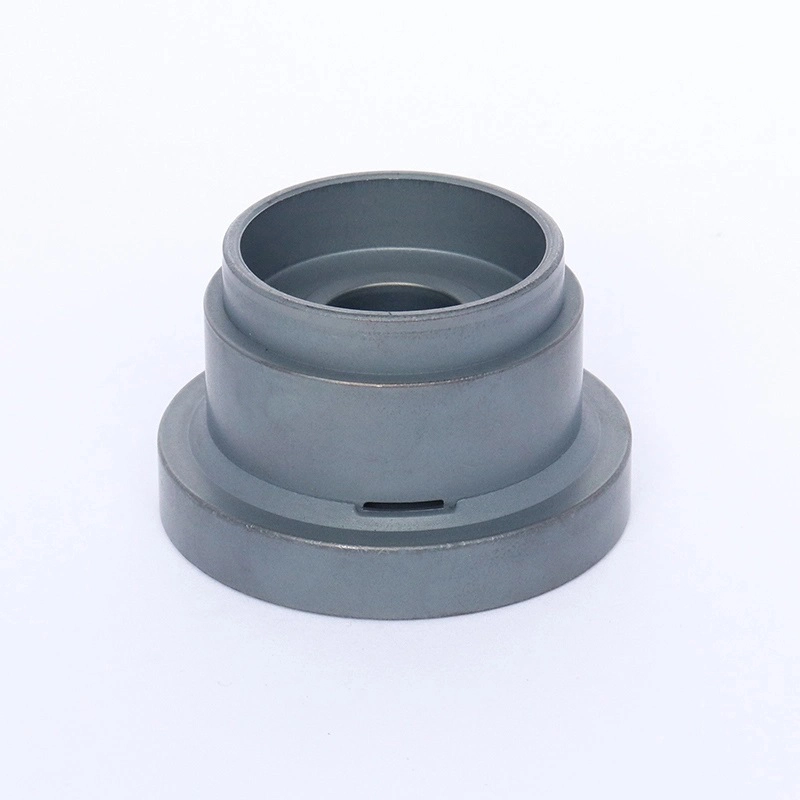
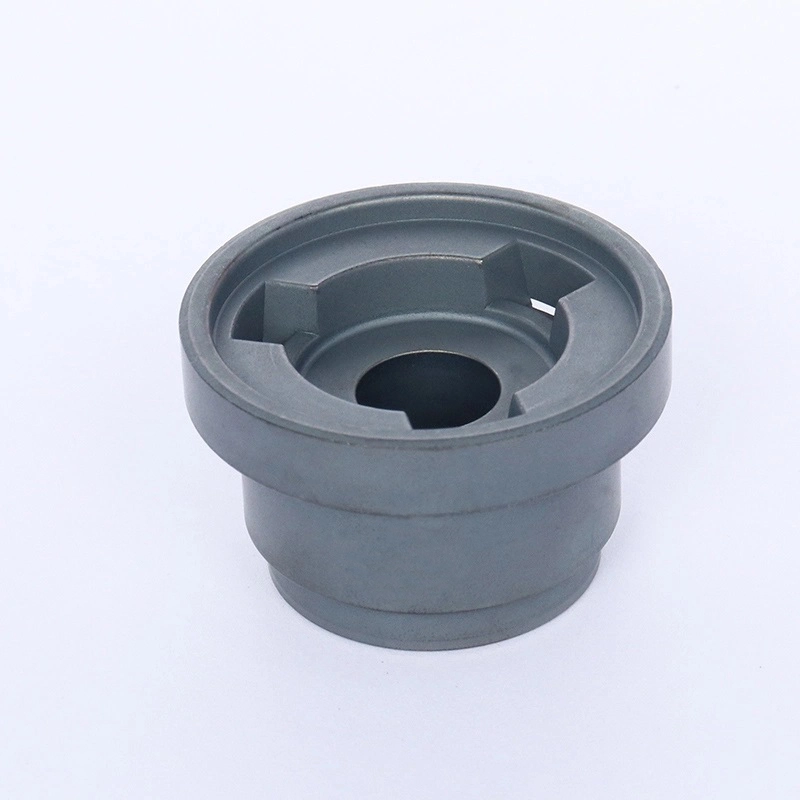
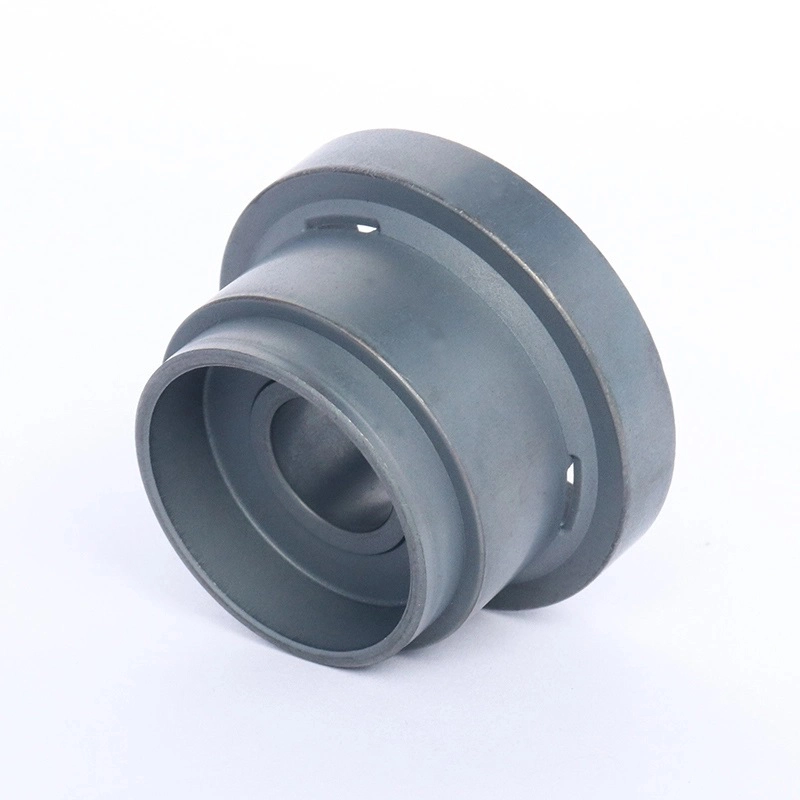
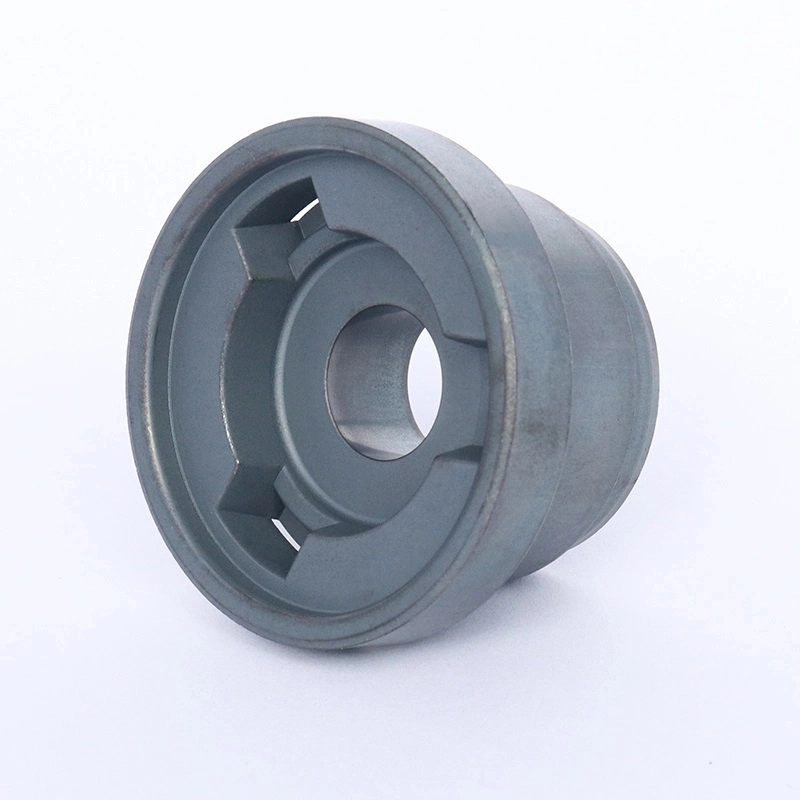
Dimensional Optimization for Sealing Applications
Targeted Tolerance Control
Rather than applying the same dimensional standard to every application, XIAYI adjusts critical fitting dimensions according to oil seal specifications and assembly requirements. This helps create a more suitable clearance relationship between the rod guide and sealing components.
Smooth Installation Surface
Optimized chamfers and burr-free finishing reduce the possibility of oil seal lip damage during installation. The controlled surface also supports smoother piston rod movement and helps maintain sealing stability during repeated operation.
Four Core Production Processes
Precision Pressing
Controlled density and geometry provide a stable foundation for subsequent dimensional processing.
High-Temperature Sintering
A controlled 1080--1110℃ sintering process helps maintain structural stability and reduce dimensional drift.
Precision Sizing
Key inner and outer diameters, height and concentricity are calibrated to meet the required oil seal fitting condition.
Steam Treatment & Finishing
Hardness is maintained at 70--90HRB, with surface roughness reaching Ra≤0.4μm for improved sealing interface compatibility.
| Core Process | Key Control Parameters | Precision Standard | Purpose |
|---|---|---|---|
| Precision Pressing | Density, weight, concentricity | 6.4--6.5g/cm³; 68--70g; ≤0.05mm | Stable initial geometry |
| High-Temperature Sintering | Temperature, atmosphere | 1080--1110℃; H₂+N₂ | Reduce dimensional variation |
| Precision Sizing | ID, OD, height | OD φ37.7(+0.10/-0.02); ID φ33.3±0.05 | Control fitting clearance |
| Steam Treatment & Finishing | Hardness, roughness | 70--90HRB; Ra≤0.4μm | Protect sealing interface |
Key Dimensional Inspection
Inspection Standards
| Process | Key Inspection Item | Precision Standard | Testing Tool | Risk Level |
|---|---|---|---|---|
| Pressing | Density | 6.4--6.5g/cm³ | Electronic Scale | Critical |
| Pressing | Outer Diameter φ37.66 | +0.03/-0.02mm | Micrometer | Critical |
| Sintering | Temperature | 1080--1110℃ | Temperature Recorder | Critical |
| Sizing | Outer Diameter φ37.7 | +0.10/-0.02mm | Micrometer | Critical |
| Sizing | Inner Diameter φ33.3 | ±0.05mm | Plug Gauge | Critical |
| Finishing | Hardness | 70--90HRB | Hardness Tester | Critical |
| Finishing | Press-Out Force | >1000N | Force Tester | Critical |
Common Oil Seal Matching Problems
Excessive Clearance
Dimensional deviation can create uneven fitting clearance and contribute to oil seal deflection. XIAYI uses targeted tolerance calibration to improve the dimensional relationship.
Assembly Interference
Unsuitable dimensions or chamfers can make oil seal installation difficult. Optimized fitting geometry helps improve assembly efficiency.
Seal Lip Damage
Poor surface finish and residual burrs may damage the sealing lip. Ra≤0.4μm finishing provides a smoother contact surface.
| Customer Pain Point | Root Cause | XIAYI Solution | Optimization Effect |
|---|---|---|---|
| Long-term oil leakage | Unbalanced fitting clearance | Targeted tolerance calibration | Leakage rate ≤0.1% |
| Oil seal lip damage | Rough surface or burrs | Burr-free finishing | Seal life increased by 35% |
| Assembly interference | Unoptimized chamfer | Fitting chamfer optimization | Assembly yield up to 99.9% |
| Piston rod eccentric wear | Concentricity deviation | Concentricity ≤0.05mm | Wear rate reduced by 90% |
| Batch inconsistency | Dimensional fluctuation | PFMEA + SPC control | Difference ≤2% |
Real Application Case
New Energy Vehicle Shock Absorber
A domestic new energy vehicle shock absorber manufacturer experienced unstable oil seal matching with conventional rod guides. Unified tolerance standards caused occasional assembly jamming, oil seal extrusion and slow oil leakage, resulting in an after-sales failure rate of 2.3%.
After adopting Optimized Dimension Rod Guide For Oil Seal Matching, XIAYI adjusted the fitting dimensions, chamfer angles and tolerance ranges according to the customer's customized composite oil seals. After 120,000 high-frequency reciprocating fatigue cycles and road-condition simulation tests, no oil seal deflection, abnormal wear or leakage was reported.
The assembly defective rate decreased from 3.1% to 0.08%, while the after-sales oil leakage failure rate dropped to 0.06%. The annual order volume reached 250,000 pieces.
Product FAQ
Can the dimensions be customized for different oil seals?
Yes. XIAYI can adjust fitting dimensions and tolerance ranges according to customer drawings, oil seal specifications and assembly requirements.
What oil seals can it match?
Optimized Dimension Rod Guide For Oil Seal Matching can be used with rubber, PTFE and composite oil seals commonly found in automotive, motorcycle and new energy vehicle shock absorbers.
What is the main benefit for OEM buyers?
The optimized dimensional interface helps improve assembly consistency, reduce oil seal damage and support more stable long-term sealing performance.
XIAYI Manufacturing Capability
Quality Management
XIAYI has nearly 20 years of experience in shock absorber precision component manufacturing and operates a standardized 5,000-square-meter production facility. The company has established a quality management system compliant with IATF 16949:2016 and ISO 9001 requirements.
Global Application
XIAYI supplies precision rod guide components to customers in more than 30 countries and regions, supporting automotive, motorcycle and new energy vehicle shock absorber applications. For customized projects, drawings, samples and oil seal specifications can be evaluated before production.
Hot Tags: Optimized Dimension Rod Guide manufacturer, hydraulic cylinder rod guide, custom rod guide supplier
Send Inquiry
Contact Info
-
Address
No.209 Lane 520 Tongning Rd,Qianjiang Street,Jiangbei District, Ningbo City, Zhejiang Province, China
-
Tel
-
Email
Get a Tailored Quote for Your Shock Absorber Parts
Why Global Buyers Choose Ningbo Xiayi:
✓ IATF 16949 Certified — Defect rate strictly controlled below 0.1%.
✓ Full-Category Supply — Pistons, rods, springs, stampings & rubber parts.
✓ R&D Support — Custom powder metallurgy formulas & 7-10 day rapid prototyping.
✓ Proven Capacity — 50 million core pistons produced annually for global OEMs.
Ready to start? Complete the form below and our engineering team will respond within 24 hours with a custom recommendation.