- Home
- About Us
- Products
- News
- Download
- Send Inquiry
- Contact Us

Products
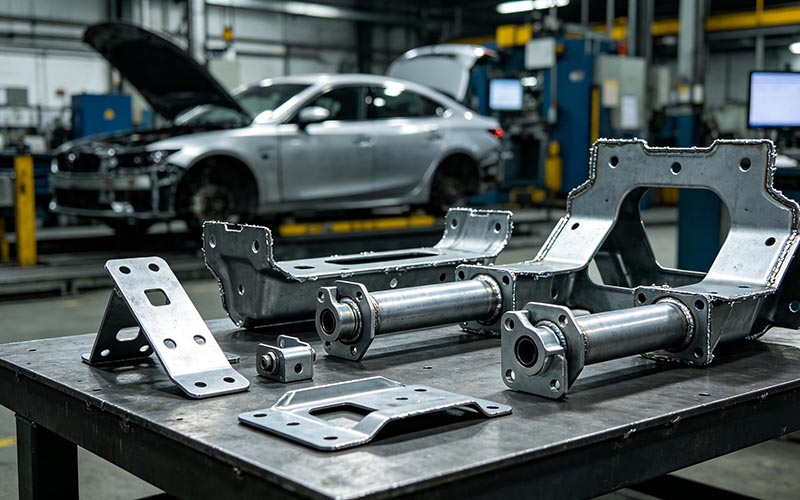
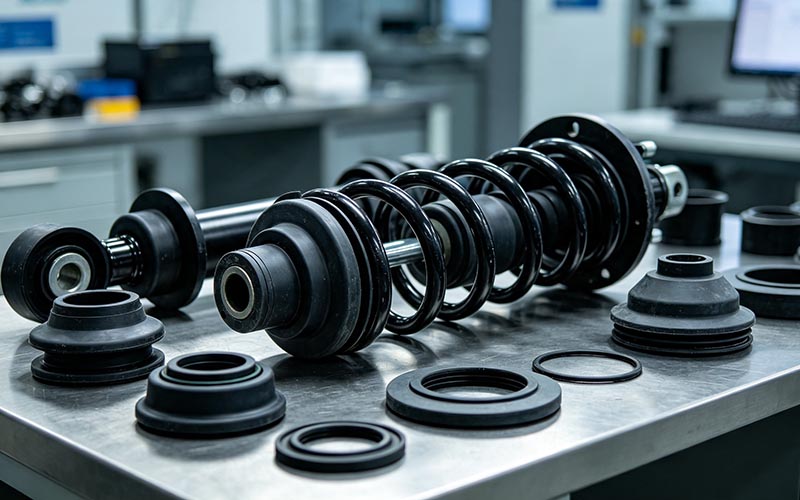
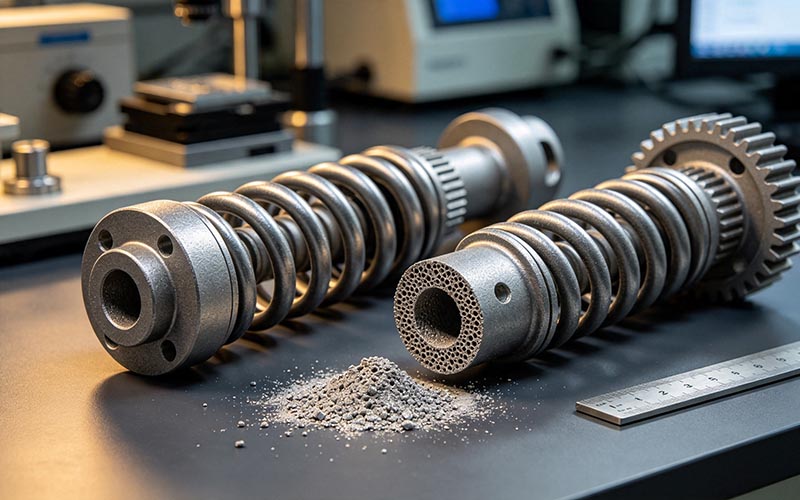
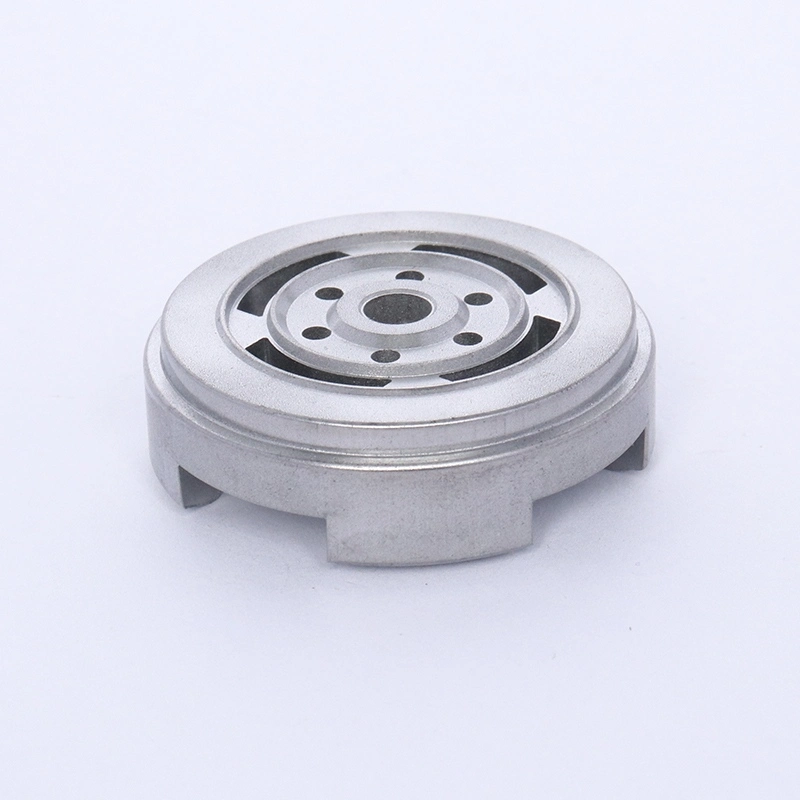
We supply full-category shock absorber components, including pistons, stampings, rubber seals, piston rods, springs, and self-developed banding/grooving machines.
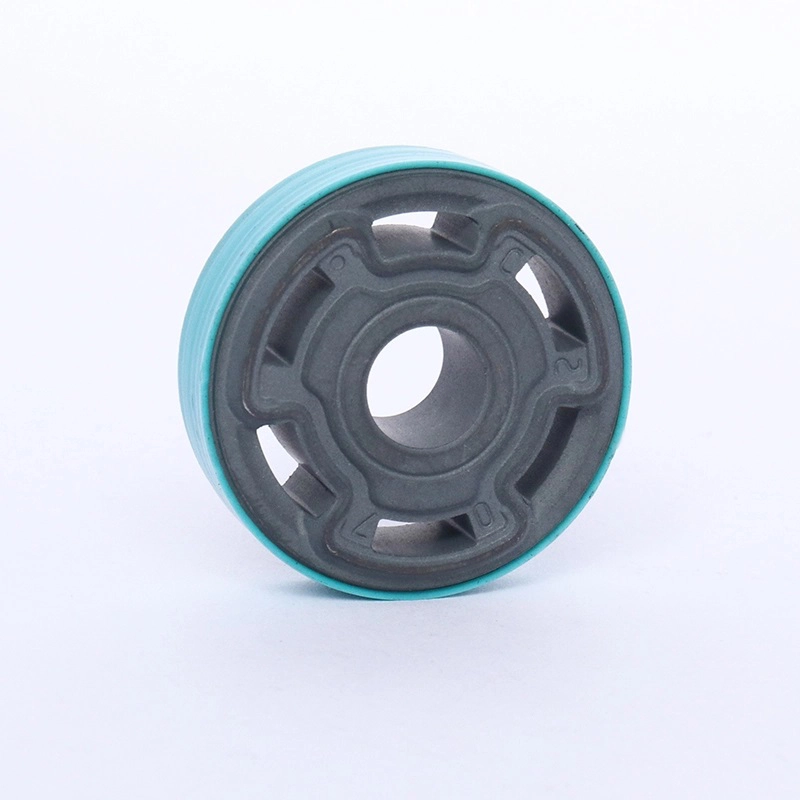
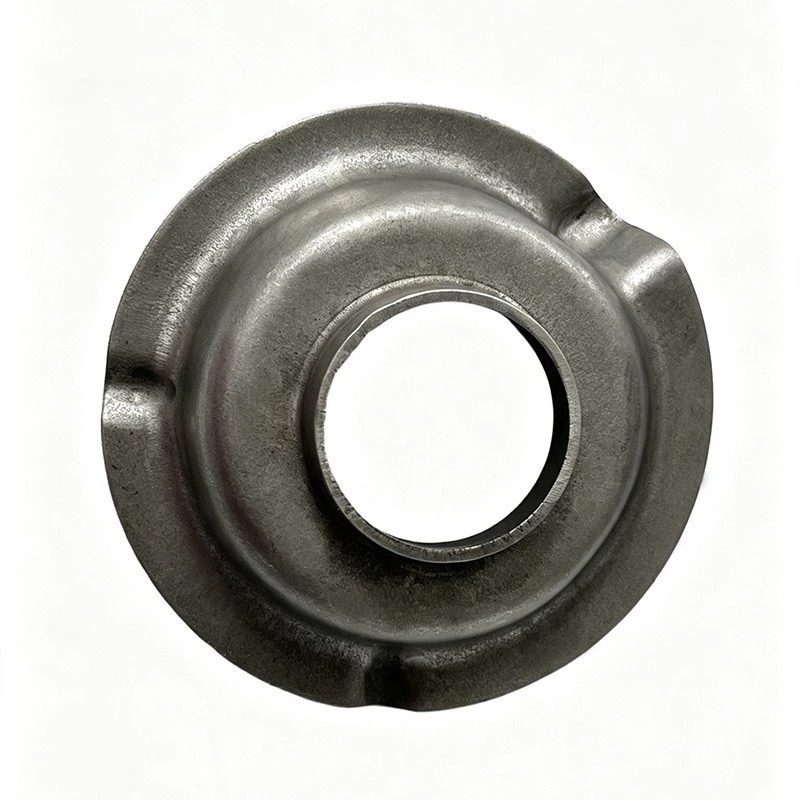
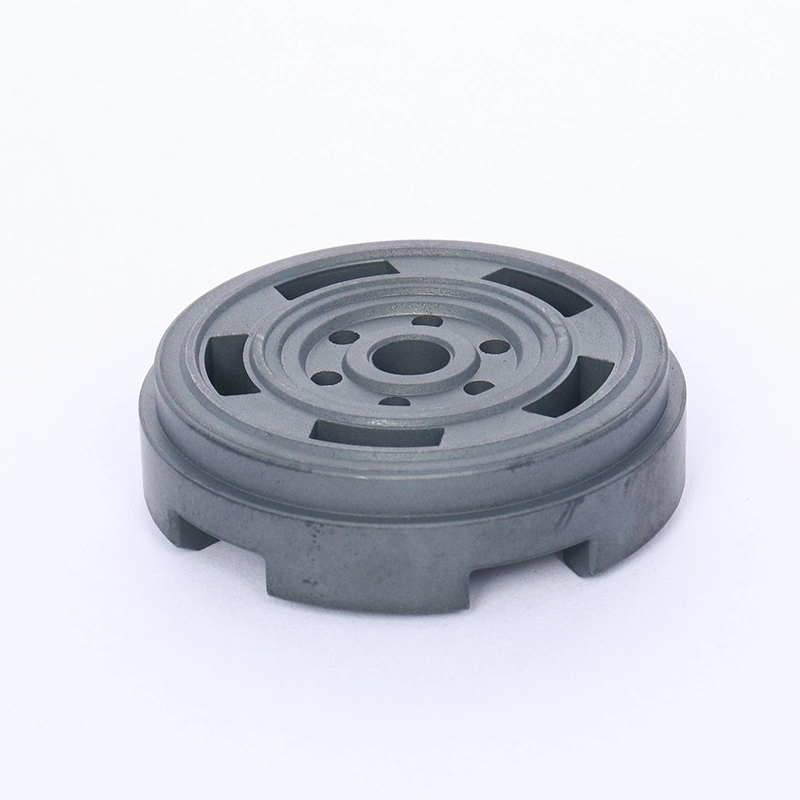
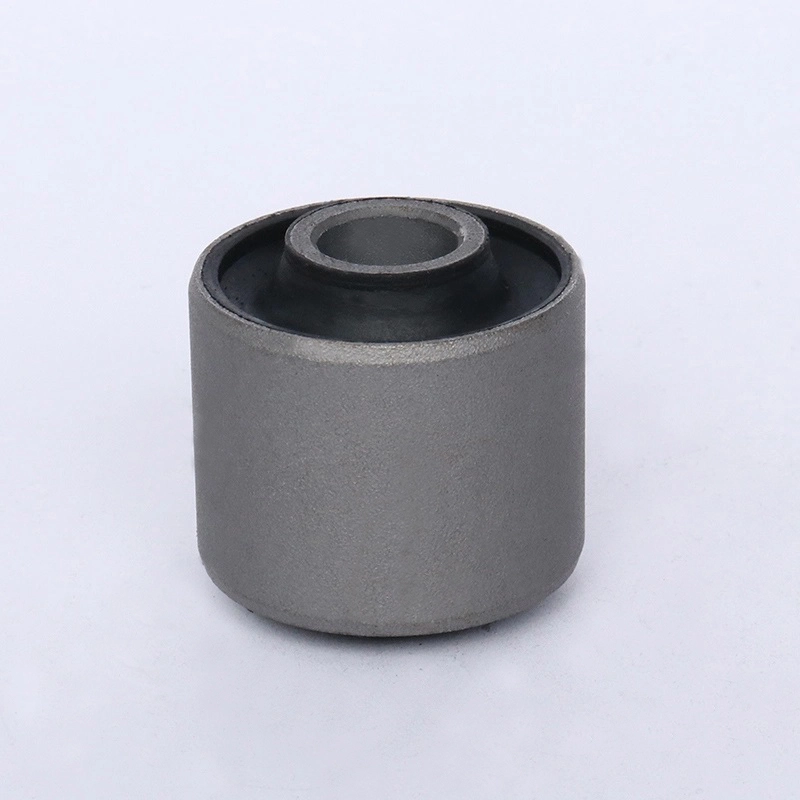
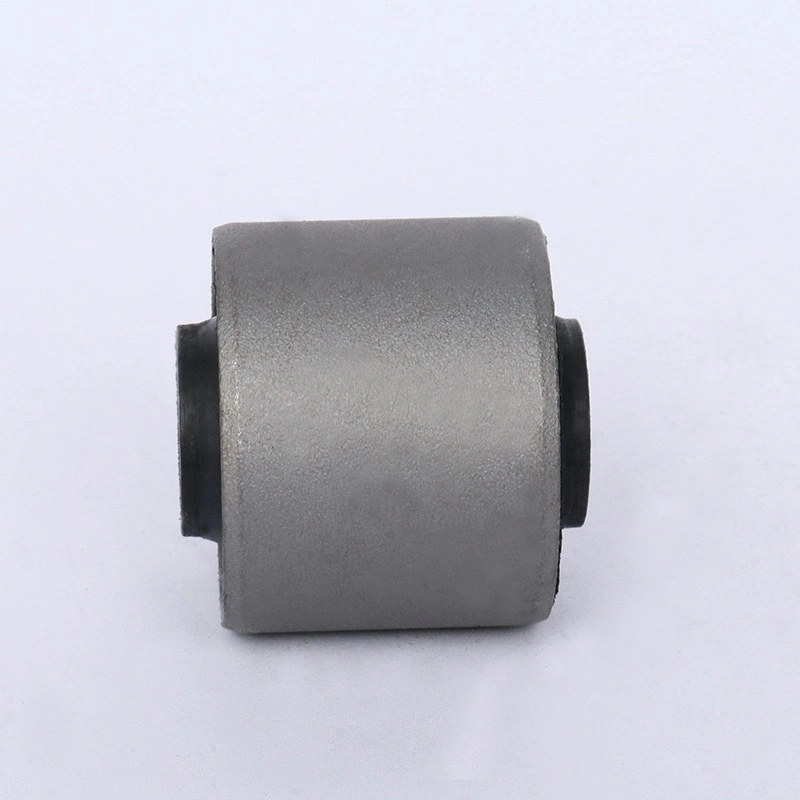
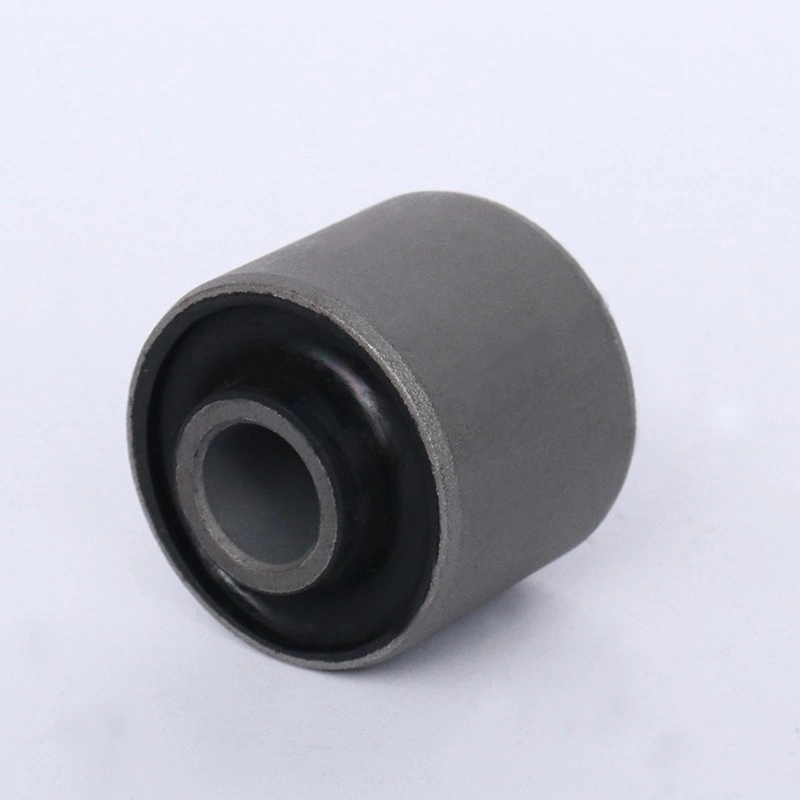
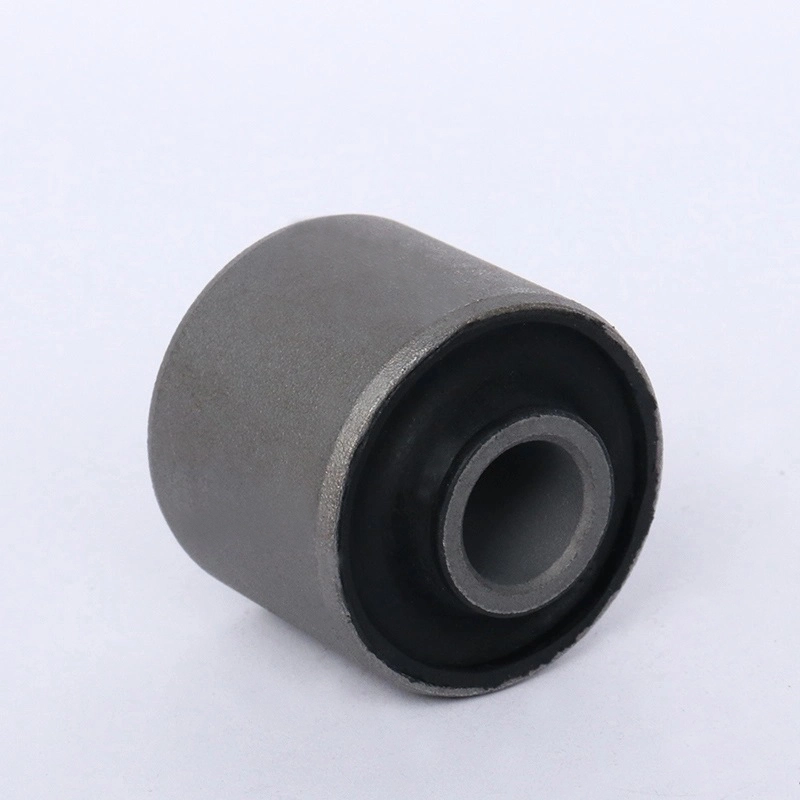
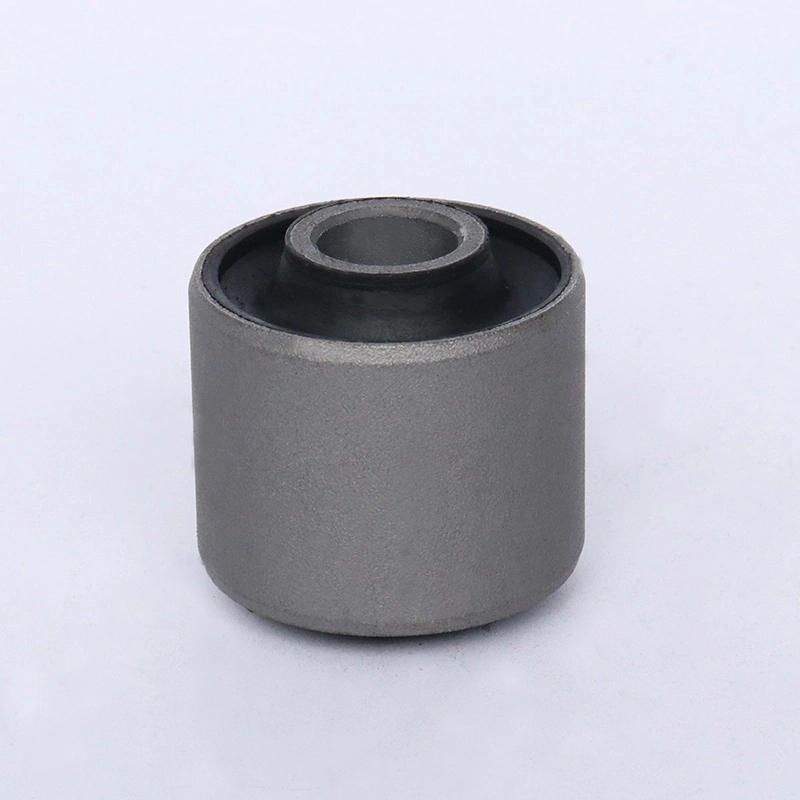
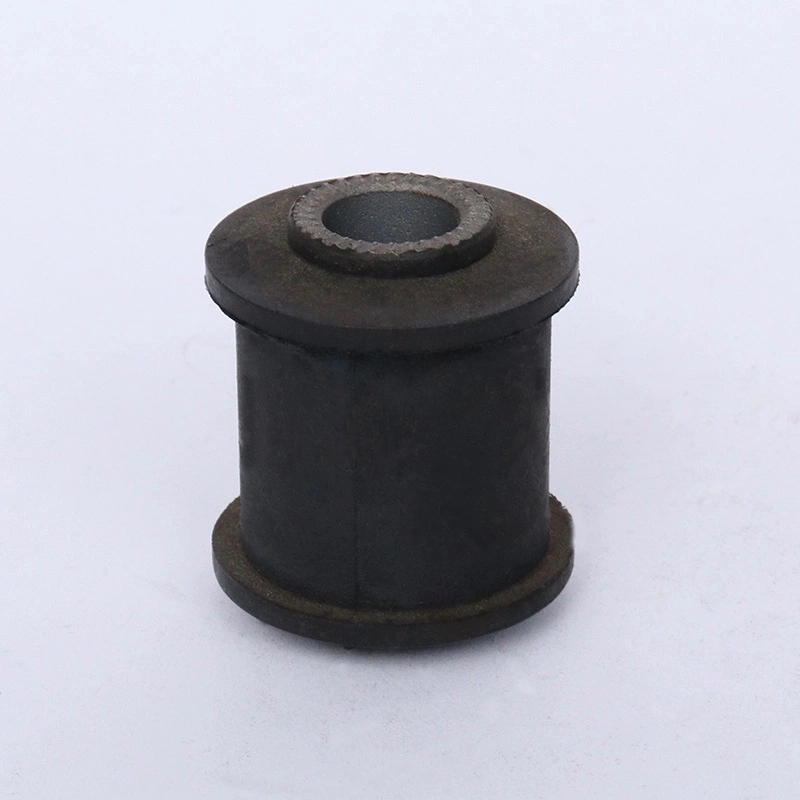
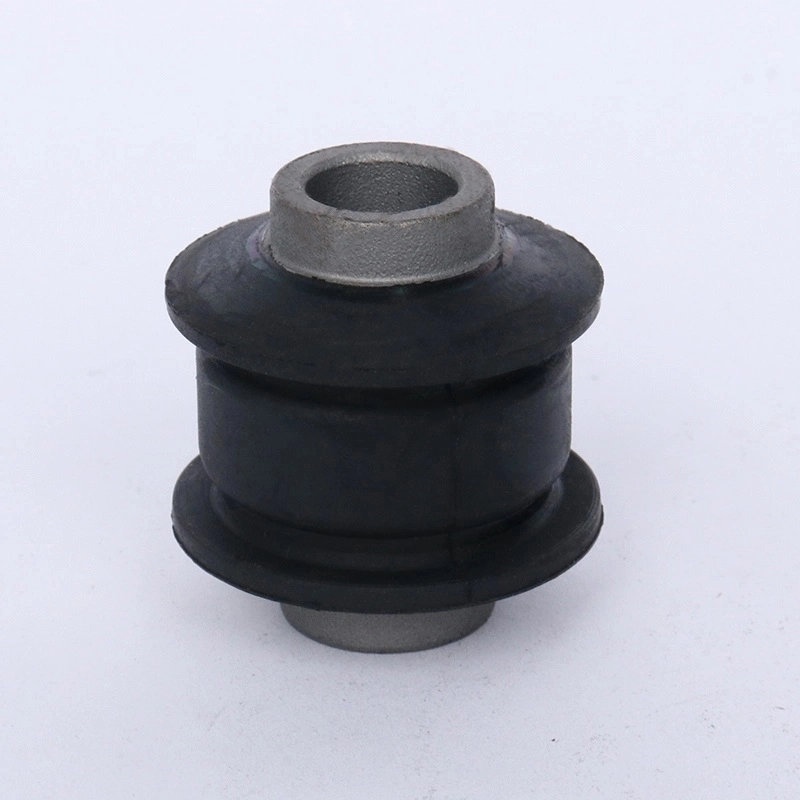
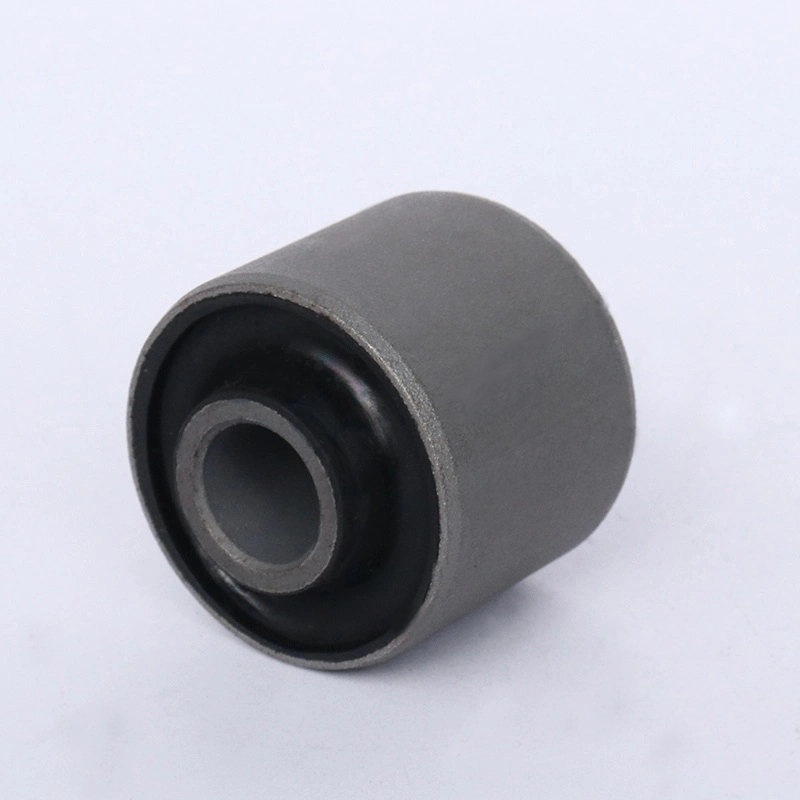
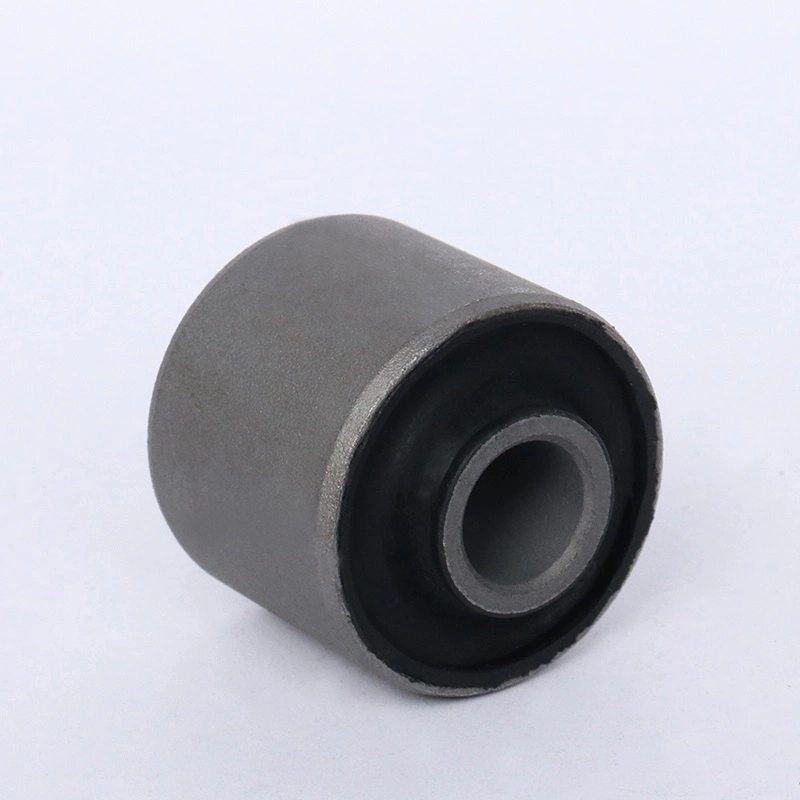
Enhanced Peel-Resistance Multi-Layer Bonded Bushing
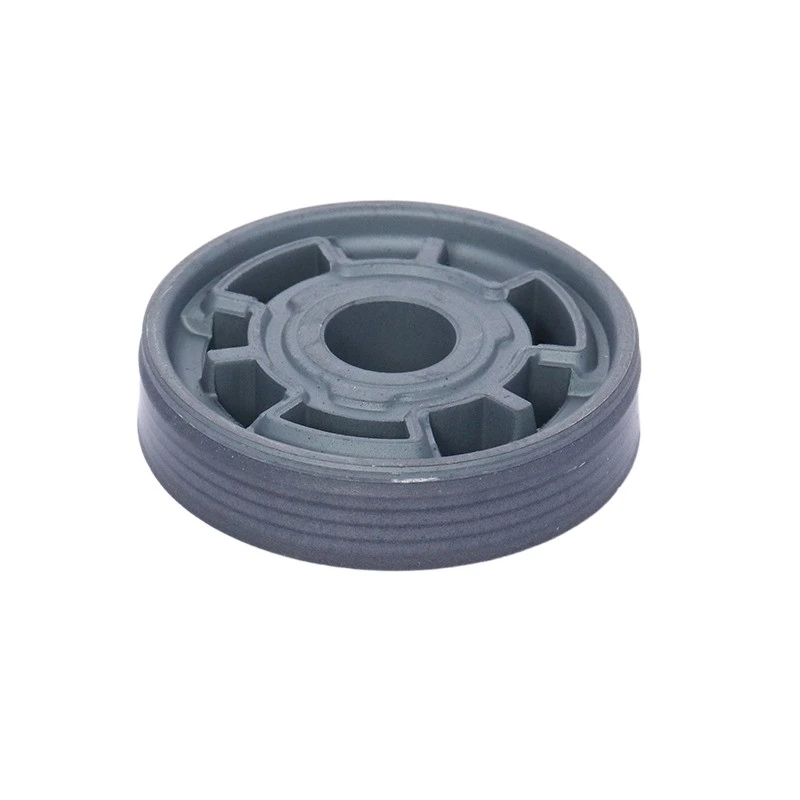
The XIAYI Enhanced Peel-Resistance Multi-Layer Bonded Bushing is designed for shock absorber and suspension systems where long-term bonding reliability is critical. Its multi-layer composite structure, enhanced metal surface treatment and controlled curing process improve resistance to peeling, delamination and metal-rubber separation under repeated shear and vibration loads. With PFMEA-based process control and an IATF 16949:2016 certified quality management system, XIAYI provides stable rubber-metal bonding solutions for commercial vehicles, new energy vehicles and engineering machinery.
XIAYI Enhanced Peel-Resistance Multi-Layer Bonded Bushing focuses specifically on this interface reliability issue. It uses a multi-layer overlapping bonding structure together with metal surface activation, high-strength adhesive treatment and controlled curing. The resulting composite structure distributes peeling and shear stresses across multiple bonding interfaces, reducing the risk of localized separation and improving long-term structural stability under demanding operating conditions.
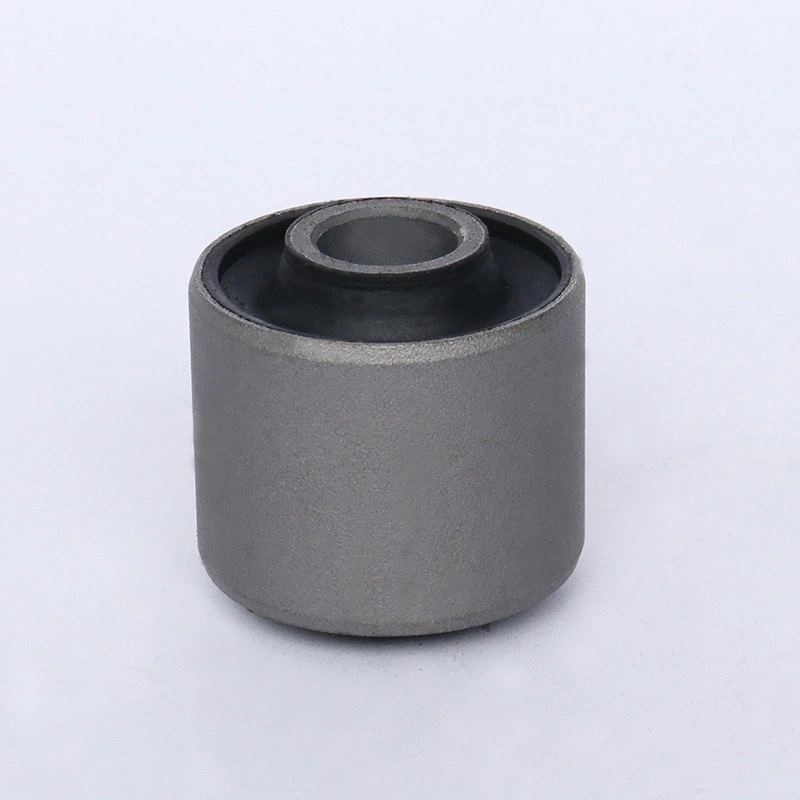
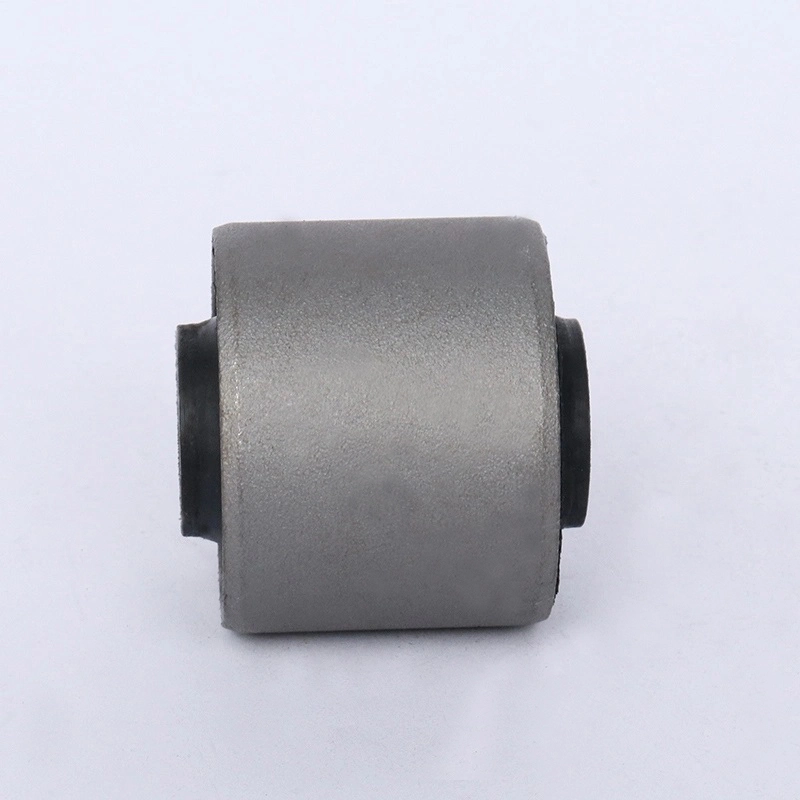
Key Performance Features
1. Multi-Layer Structure for Higher Peel Resistance
Unlike conventional single-layer bonding, the multi-layer structure increases the effective bonding area and provides additional resistance against interface separation. When subjected to repeated shear and tensile loads, stress is distributed between multiple bonded layers rather than concentrated at one interface, helping prevent progressive peeling and delamination.
2. Enhanced Metal Surface Preparation
Before bonding, the metal substrate undergoes controlled surface activation and cleaning. This improves adhesive contact with the metal framework and reduces contamination-related bonding defects. Combined with high-strength adhesive application, the process creates a more reliable transition between metal and rubber.
3. Controlled Curing for Stable Bonding Strength
The curing temperature, pressure and time are precisely controlled during production. This helps achieve consistent adhesive curing and rubber cross-linking while reducing risks associated with insufficient curing or excessive thermal stress. The controlled process supports stable bonding performance across production batches.
4. Designed for Repeated Alternating Loads
The Enhanced Peel-Resistance Multi-Layer Bonded Bushing is optimized for applications involving continuous vibration, compression, tension and shear. Its composite bonding structure helps maintain rubber-metal integrity during repeated movement, making it suitable for commercial vehicle suspension systems, engineering machinery and other high-load damping applications.
Bonding Structure Comparison
| Performance Item | Conventional Single-Layer Design | XIAYI Multi-Layer Design | Buyer Benefit |
|---|---|---|---|
| Bonding Structure | Single interface | Multi-layer composite interface | Better resistance to progressive separation |
| Peel Resistance | Vulnerable under concentrated stress | Enhanced stress distribution | Lower delamination risk |
| Fatigue Performance | Bonding may deteriorate during long-term cycling | Stable multi-layer structure | Longer service interval |
| Interface Stability | Sensitive to surface defects | Surface activation + controlled bonding | More consistent production quality |
| Load Distribution | Stress concentrated at one interface | Distributed across multiple layers | Improved structural reliability |
| NVH Stability | Performance may decline after bonding deterioration | Stable structural support | Reduced vibration and noise risk |
Precision & Performance Parameters
| Parameter | XIAYI Standard | Functional Benefit |
|---|---|---|
| Interlayer Peel Strength | ≥5.5 MPa | Resists peeling and delamination |
| Rubber Hardness | 62±5 Shore A | Balanced support and damping |
| Compression Set | ≤9% | Maintains shape under long-term loading |
| Fatigue Resistance | 1.2 million cycles | Supports extended operating life |
| Operating Temperature | -40℃ to 120℃ | Suitable for wide temperature conditions |
| Inner/Outer Diameter Tolerance | ±0.05 mm | Reliable assembly matching |
| Interlayer Uniformity | Uniform bonding thickness | Reduces localized stress |
| Aging Resistance | Up to 2.8 times ordinary bonded bushings | Reduces replacement frequency |
Common Bonding Problems and Solutions
| Customer Concern | Typical Cause | XIAYI Solution |
|---|---|---|
| Interface peeling | Limited single-layer bonding area | Multi-layer overlapping bonding structure |
| Rubber-metal separation | Weak surface adhesion | Metal surface activation treatment |
| Bonding fatigue failure | Repeated shear and vibration | Enhanced composite interface design |
| Batch bonding variation | Uncontrolled curing parameters | Programmed curing and PFMEA control |
| Failure under temperature changes | Insufficient environmental resistance | Optimized rubber and bonding system |
| Chassis looseness and noise | Progressive interface separation | Improved structural bonding stability |
How the Multi-Layer Structure Improves Service Reliability
Bonding failure is often a gradual process rather than an immediate breakage. Small interface defects can expand under repeated vibration, allowing moisture, oil or other contaminants to enter the bonding area and accelerate separation. This can eventually lead to rubber displacement, reduced support and abnormal suspension movement.
The multi-layer structure used by XIAYI distributes mechanical stress across several bonding interfaces, reducing the concentration of peeling forces at a single point. The enhanced interface treatment further improves adhesion between the metal substrate, bonding system and rubber layers. This structure helps slow the progression of interface damage and maintains the intended mechanical connection for longer periods.
For buyers evaluating component durability, this means the bushing is designed not simply to withstand an initial load, but to maintain structural integrity after repeated loading cycles. It can therefore help reduce premature component replacement and the maintenance risks associated with progressive bonding failure.
What Buyers Should Check Before Selecting a Bonded Bushing
When comparing rubber-metal bonded bushings, appearance and dimensional accuracy alone are not enough to determine long-term reliability. Buyers should pay particular attention to the bonding structure, interface preparation, curing consistency and resistance to repeated shear and peeling forces.
A reliable supplier should be able to provide clear information about rubber hardness, bonding strength, temperature range, fatigue performance and dimensional tolerances. Production traceability is also important because bonding defects may originate from several stages, including metal surface preparation, adhesive application and curing.
XIAYI combines these factors into a controlled manufacturing process, allowing buyers to evaluate the component from both initial assembly performance and long-term structural reliability. This makes the product more suitable for suspension systems where preventing bonding failure is more important than simply achieving a low initial component cost.
Real Application Case
A professional commercial vehicle shock absorber manufacturer had experienced repeated bonding failures with conventional single-layer rubber bushings. Its vehicles operated on complex and uneven roads with continuous high-load vibration and alternating shear forces. After 4--5 months of operation, some bushings developed interface peeling, delamination and metal-rubber separation, resulting in chassis looseness, driving vibration and abnormal noise. Bonding-related after-sales failures reached 3.1%.
After switching to XIAYI Enhanced Peel-Resistance Multi-Layer Bonded Bushing, the bonding problems were significantly reduced. The multi-layer composite structure, enhanced metal surface treatment and controlled curing process improved interface stability under repeated loads. Supported by XIAYI's PFMEA quality control system, the customer's bonding-related failure rate fell to 0.04%, while the overall service life increased by 2.8 times. The product subsequently became a long-term supply component for the customer's commercial vehicle shock absorber program.
Product FAQ
1. Why is a multi-layer bonding structure more resistant to peeling?
A conventional single-layer bushing relies mainly on one bonding interface, so peeling stress can become concentrated in a localized area. The multi-layer structure distributes this stress across several interfaces, making progressive separation more difficult and improving structural stability under repeated loading.
2. Which applications require enhanced peel resistance?
Enhanced Peel-Resistance Multi-Layer Bonded Bushing is particularly suitable for commercial vehicles, new energy vehicles, engineering machinery and heavy-duty suspension systems exposed to continuous vibration, alternating shear loads and demanding road conditions. It is also appropriate for OEM projects where bonding reliability and low failure rates are important purchasing requirements.
3. How does XIAYI control bonding consistency?
XIAYI combines metal surface activation, controlled adhesive application, programmed curing and PFMEA-based process risk management. Key manufacturing parameters are monitored throughout production, while finished components undergo performance verification to maintain consistent bonding quality between batches.
XIAYI Quality & Manufacturing Capability
Ningbo XIAYI was founded in 2006 and has nearly 20 years of experience in precision shock absorber components. The company operates under IATF 16949:2016 and ISO 9001 quality management systems, with process controls covering material preparation, surface treatment, bonding, vulcanization and final inspection.
By focusing on rubber-metal interface engineering and bonding reliability, XIAYI provides durable damping components for global automotive and engineering machinery manufacturers, with products supplied to more than 30 countries and regions.
Hot Tags: Enhanced Peel-Resistance Multi-Layer Bonded Bushing Manufacturer, Enhanced Peel Resistance Bushing Supplier, Bonded Bushing Wholesale
Related Category
Send Inquiry
Contact Info
-
Address
No.209 Lane 520 Tongning Rd,Qianjiang Street,Jiangbei District, Ningbo City, Zhejiang Province, China
-
Tel
-
Email
Get a Tailored Quote for Your Shock Absorber Parts
Why Global Buyers Choose Ningbo Xiayi:
✓ IATF 16949 Certified — Defect rate strictly controlled below 0.1%.
✓ Full-Category Supply — Pistons, rods, springs, stampings & rubber parts.
✓ R&D Support — Custom powder metallurgy formulas & 7-10 day rapid prototyping.
✓ Proven Capacity — 50 million core pistons produced annually for global OEMs.
Ready to start? Complete the form below and our engineering team will respond within 24 hours with a custom recommendation.