- Home
- About Us
- Products
- News
- Download
- Send Inquiry
- Contact Us

Products
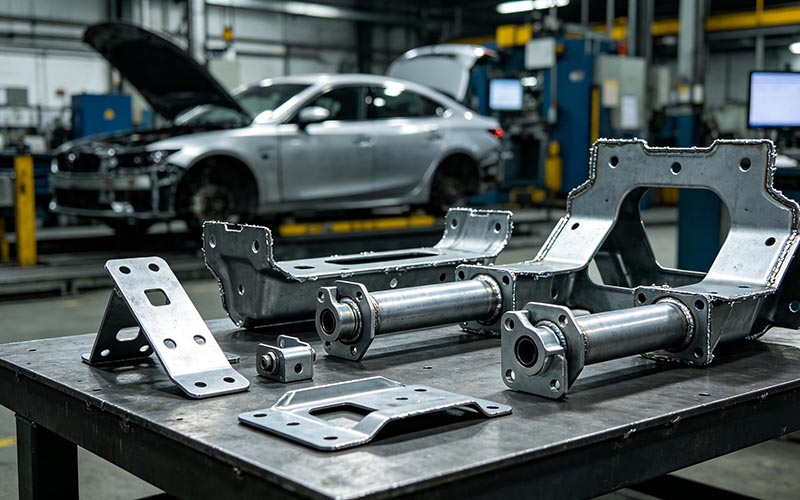
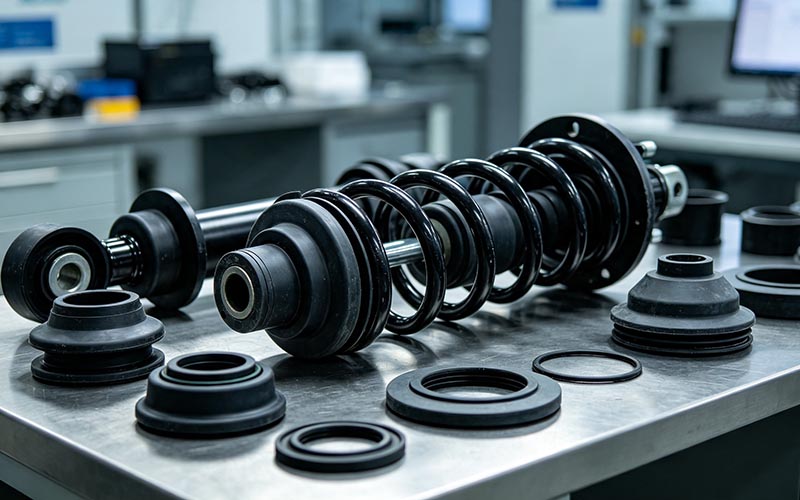
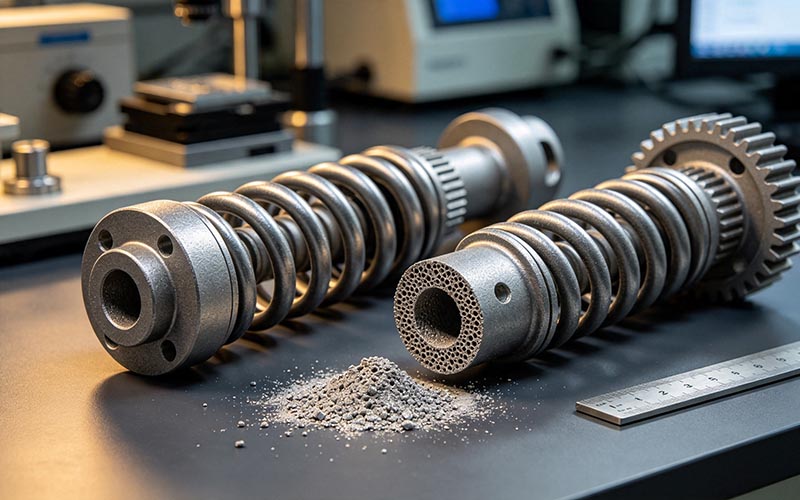
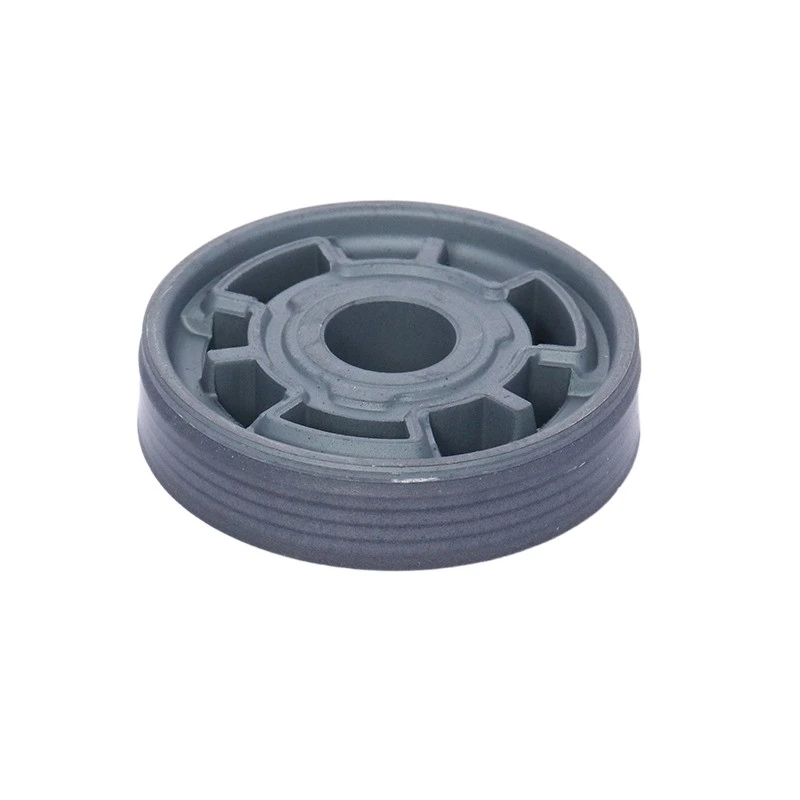
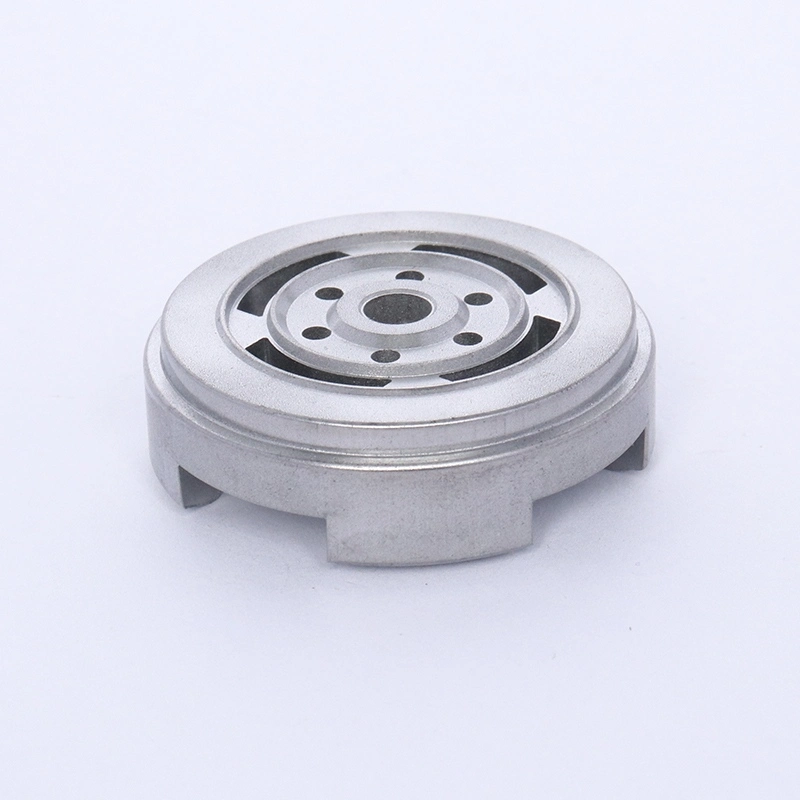
We supply full-category shock absorber components, including pistons, stampings, rubber seals, piston rods, springs, and self-developed banding/grooving machines.
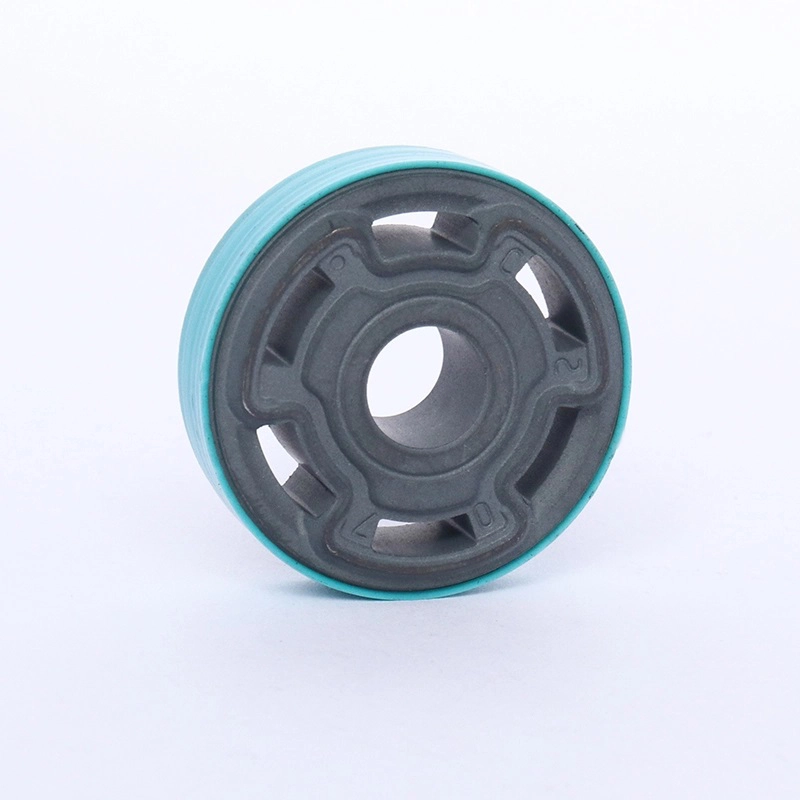
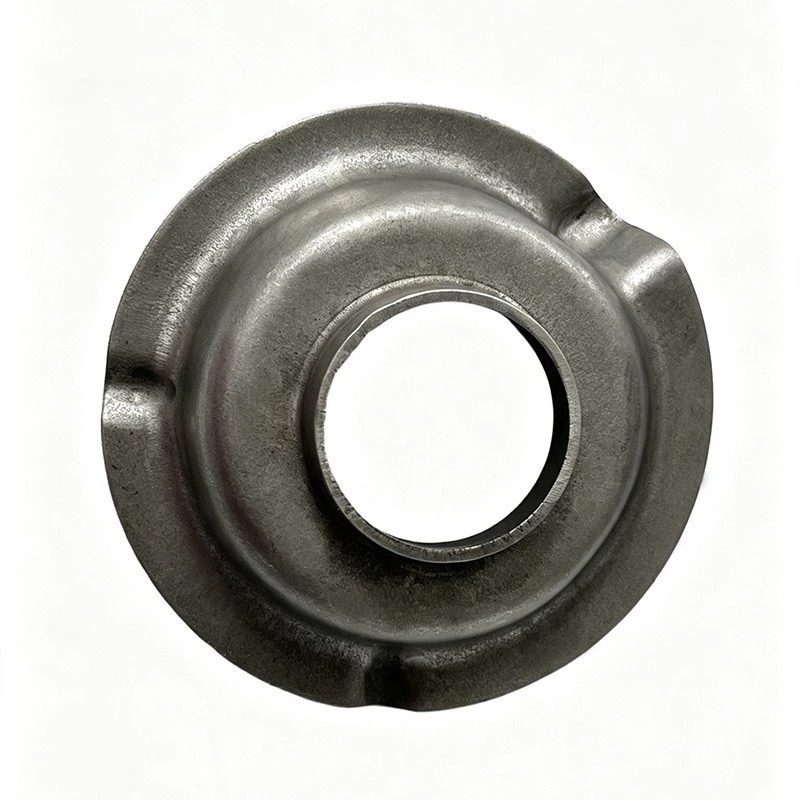
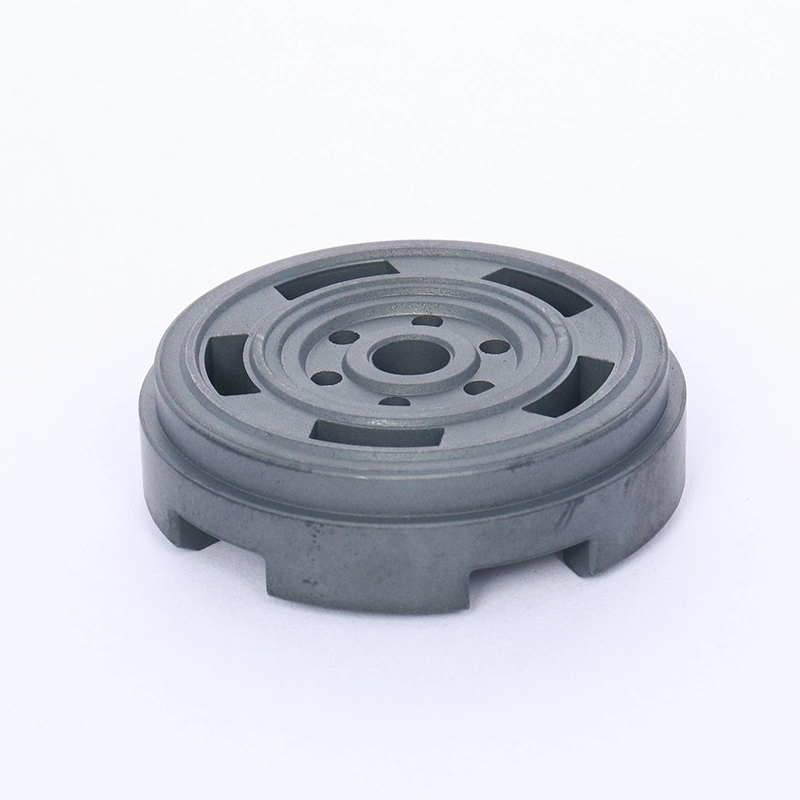
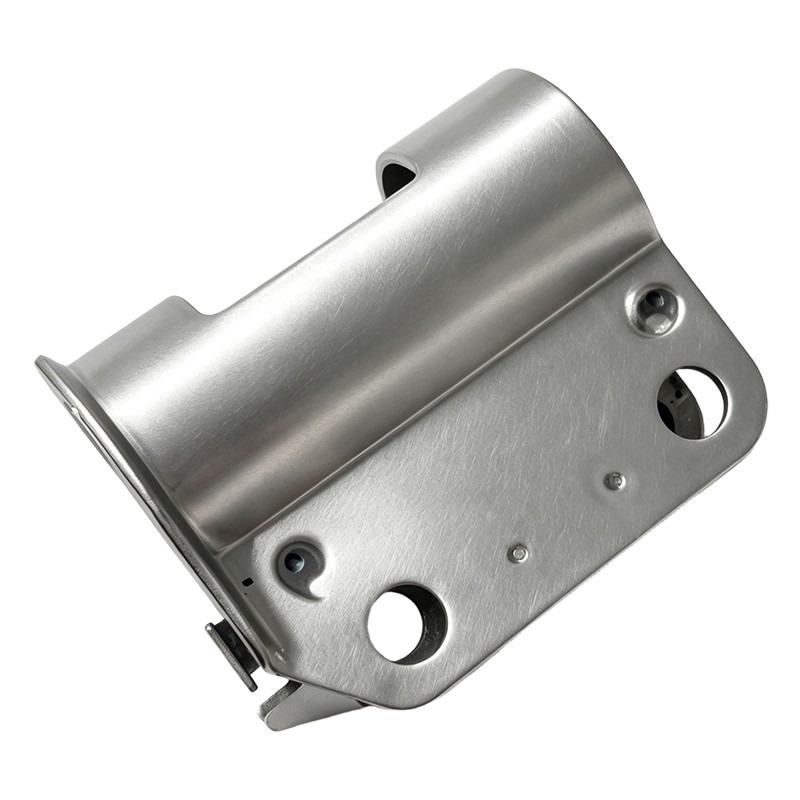
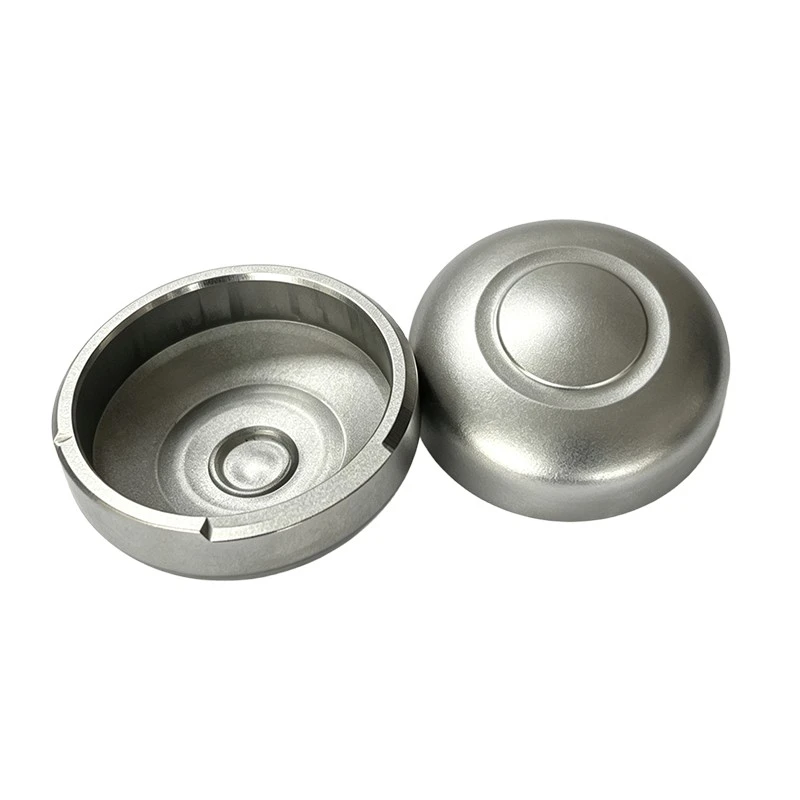
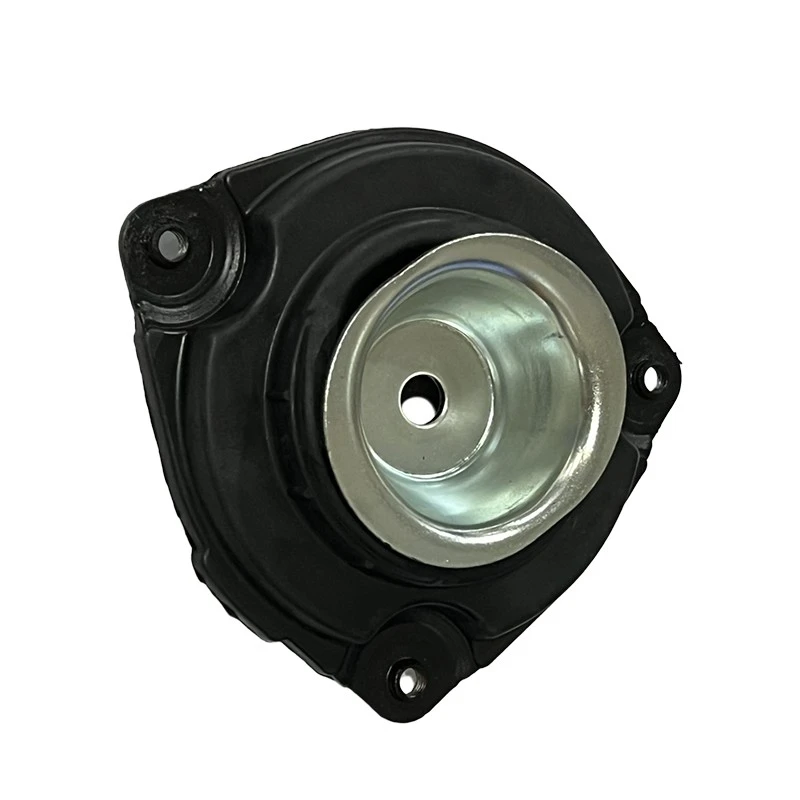
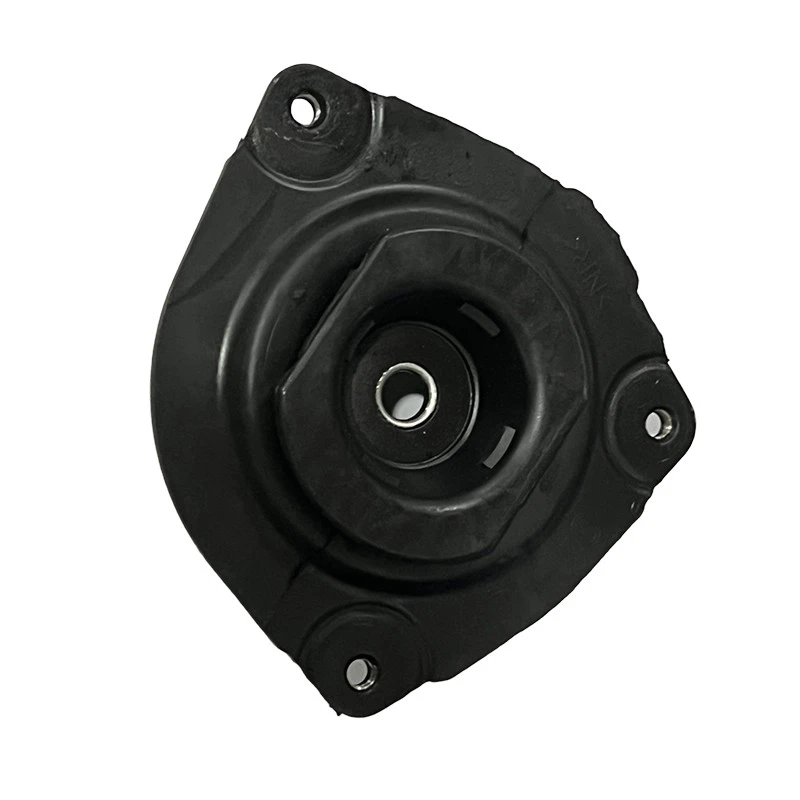
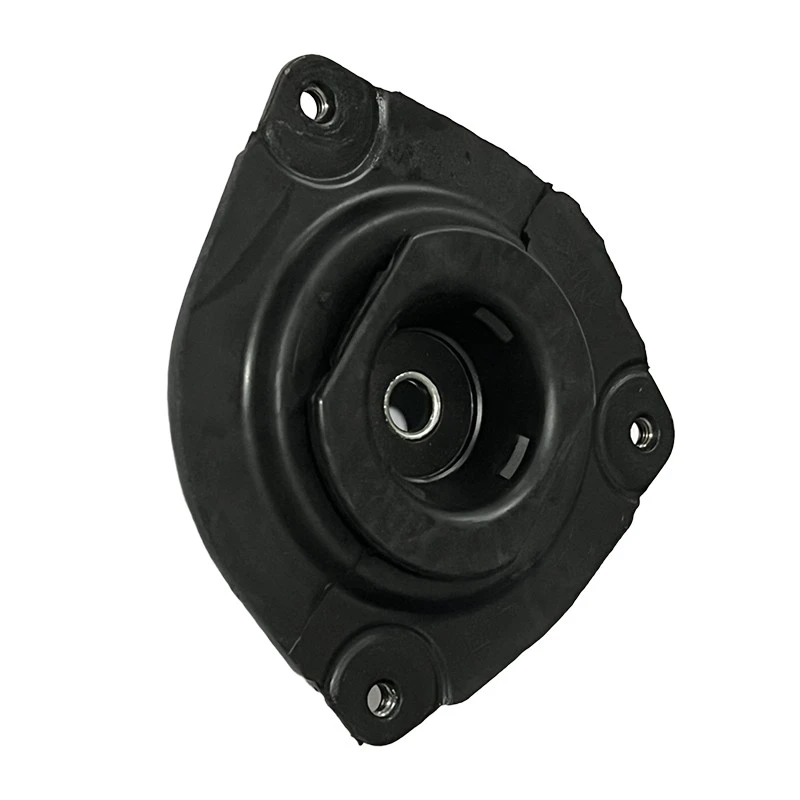
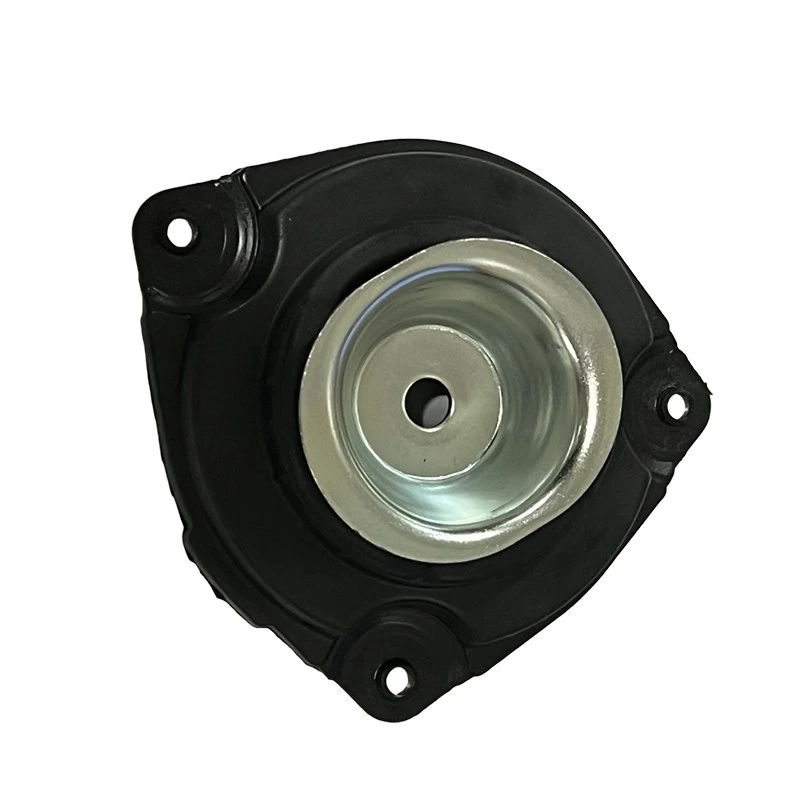
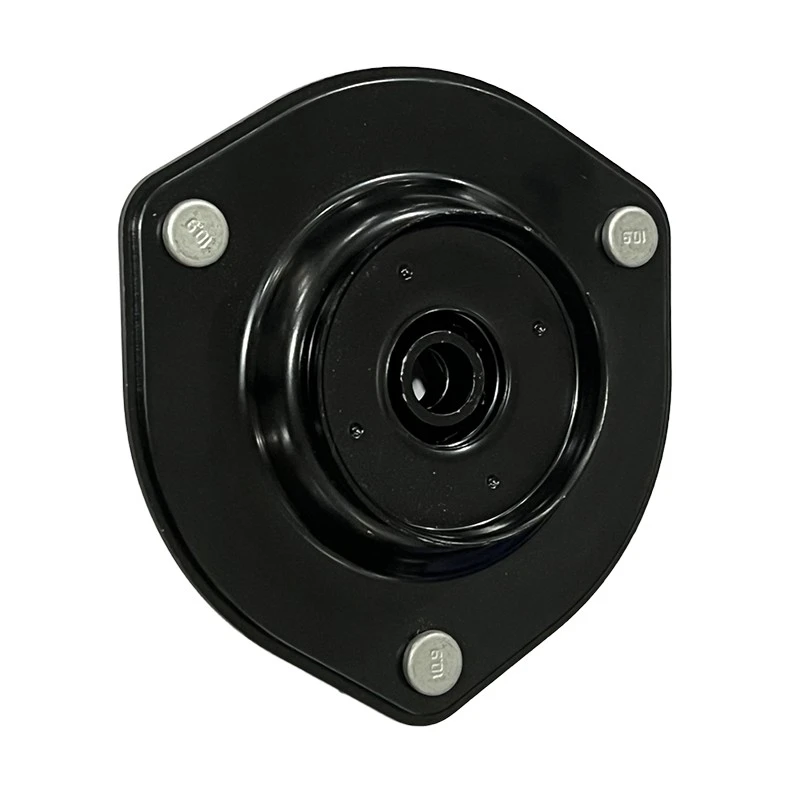
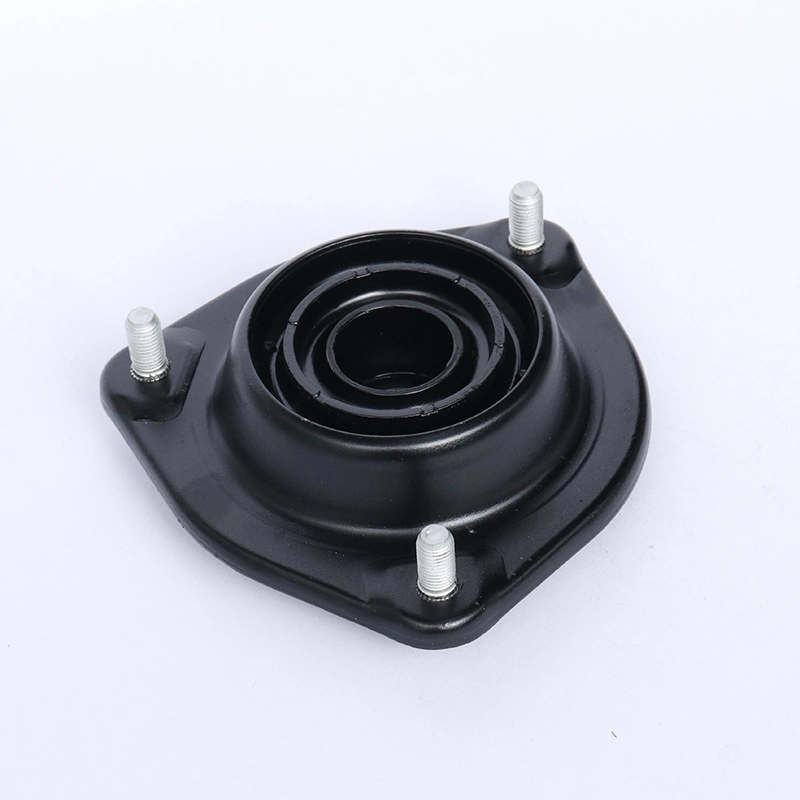
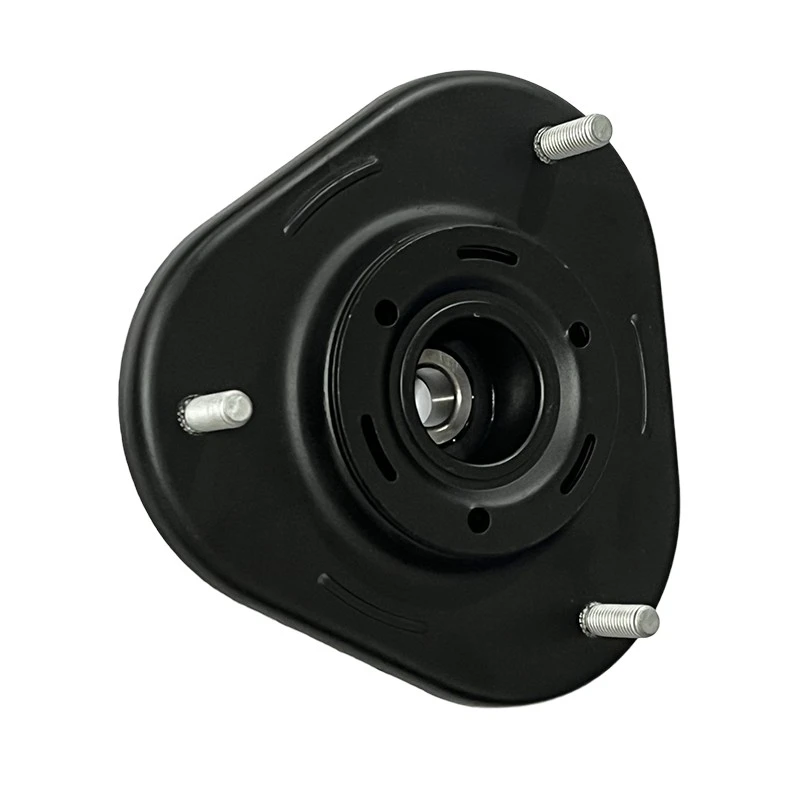
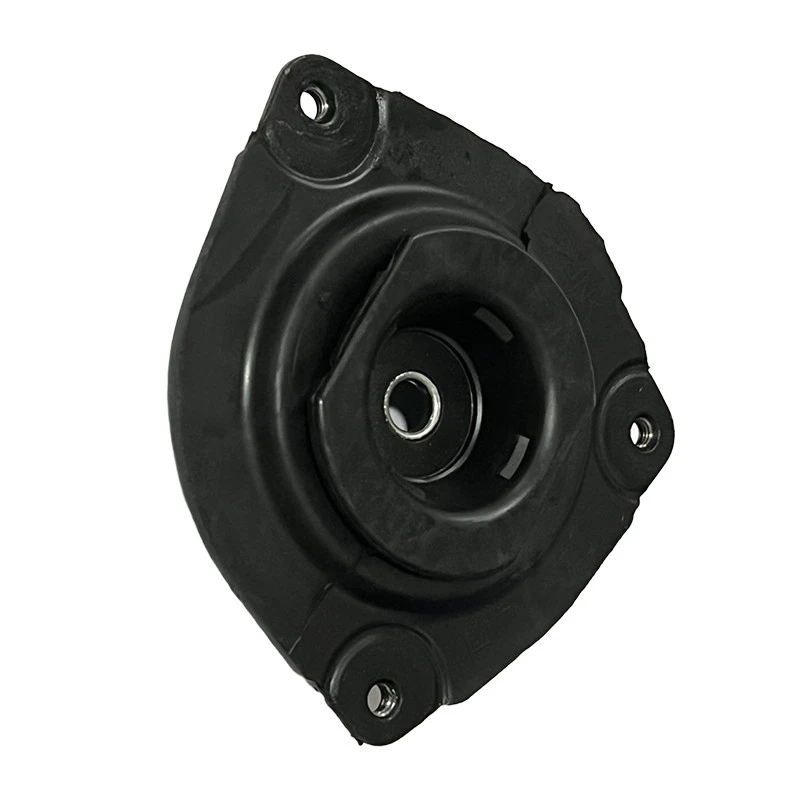
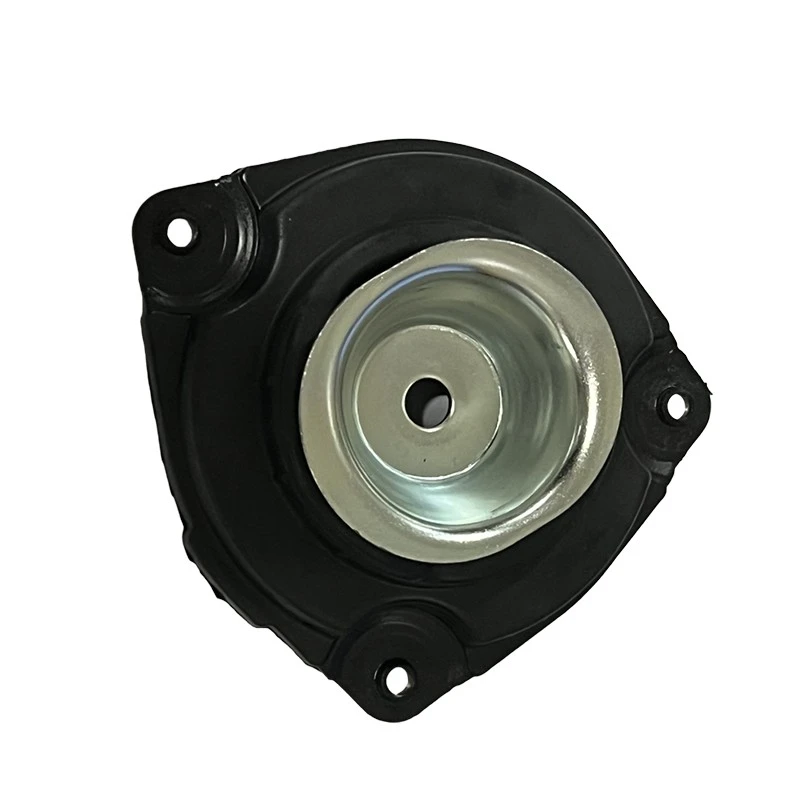
Anti-Delamination Stable Bonded Strut Mount
The Anti-Delamination Stable Bonded Strut Mount is developed for suspension applications where rubber-to-metal bonding reliability is critical. In long-term vehicle operation, repeated compression, vibration, temperature changes and moisture exposure can gradually weaken the bonding interface. Once separation occurs, the mount may develop abnormal noise, unstable support or accelerated wear of surrounding suspension components.
XIAYI focuses on controlling the bonding interface rather than simply increasing rubber hardness. The Anti-Delamination Stable Bonded Strut Mount production process combines metal surface preparation, controlled adhesive application, precision molding and curing management to create a stable rubber-metal connection.
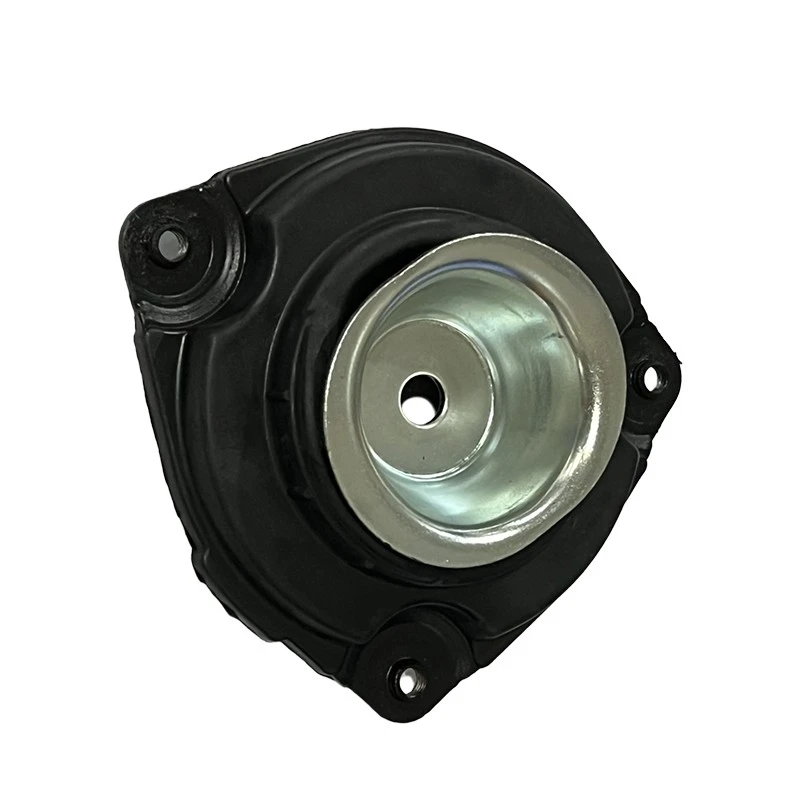
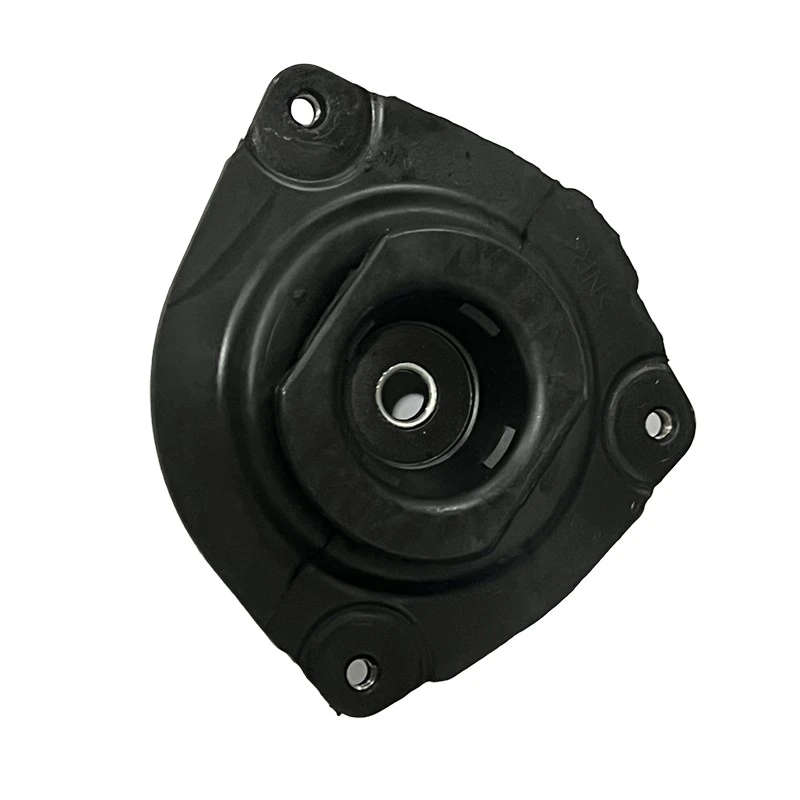
Metal Surface Preparation and Bonding Interface
The quality of a bonded rubber component depends heavily on the condition of the metal surface before vulcanization. Oil contamination, oxidation, moisture or incomplete coating can create weak areas that may later develop into peeling or delamination.
XIAYI uses controlled metal surface cleaning and activation before applying the bonding system. The prepared surface is then combined with a professional adhesive coating and controlled curing process. This creates a stronger interface between the rubber compound and metal substrate and reduces the possibility of separation caused by contamination or insufficient adhesion.
For buyers, this Anti-Delamination Stable Bonded Strut Mount process is particularly valuable when the mount is used in vehicles exposed to rain, road salt, temperature cycling or frequent suspension movement.
Controlled Curing for Consistent Bond Strength
Curing conditions directly influence the final mechanical properties of bonded rubber. Excessive curing can affect elasticity, while insufficient or uneven curing may leave weak areas inside the rubber structure or at the bonding interface.
XIAYI uses controlled temperature and curing-time parameters during production. Process parameters are monitored and locked to minimize operator-related variation. This helps maintain consistent rubber hardness, bonding strength and dimensional stability across production batches.
The result is not simply a stronger individual component, but a more predictable product for customers purchasing thousands of pieces for the same vehicle platform.
PFMEA-Based Failure Prevention
XIAYI applies PFMEA methodology to identify potential failure points before products enter mass production. The process covers material preparation, metal treatment, molding, curing, dimensional inspection, bearing pressing, trimming and final testing.
| Production Stage | Potential Risk | Possible Result | XIAYI Control |
|---|---|---|---|
| Material Mixing | Incorrect compound ratio | Hardness variation | Automatic dosing and material identification |
| Metal Treatment | Oil or contamination | Weak bonding | Surface cleaning and coating control |
| Molding | Air bubble or incomplete filling | Local weakness | Mold and pressure parameter control |
| Curing | Under/over curing | Cracking or separation | Temperature and time monitoring |
| Dimension Inspection | Size deviation | Installation problems | 2D measurement and SPC |
| Bearing Pressing | Misalignment | Steering noise | Centering and positioning control |
| Trimming | Burr or excess flash | Dust-cover damage | Visual inspection and deflashing |
| Final Inspection | Missed defect | Unqualified delivery | Full inspection and verification |
This approach allows potential bonding and structural problems to be identified at the process stage rather than after the component has been installed in a vehicle.
Performance Designed Around Long-Term Use
The Anti-Delamination Stable Bonded Strut Mount is designed to maintain stable structural integrity during repeated suspension movement. Its rubber compound, bonding system and curing parameters can be adjusted according to vehicle type and operating environment.
For passenger vehicles, the focus can be placed on vibration isolation and NVH performance. For commercial vehicles, higher fatigue resistance and structural durability may be prioritized. For vehicles operating in humid or variable-temperature regions, material and bonding configurations can be adapted to improve environmental resistance.
The product has been evaluated through durability and environmental testing, including vibration simulation and salt-spray testing, supporting applications where long-term bonding reliability is a primary purchasing requirement.
Key Performance Parameters
| Parameter | XIAYI Reference Performance |
|---|---|
| Rubber Hardness | Customized according to OE requirements |
| Bonding Structure | Rubber-metal integrated bonding |
| Temperature Range | Application dependent |
| Salt Spray Resistance | 96--240 hours testing available |
| Dimensional Control | According to customer drawings/OE specifications |
| Durability Verification | Long-term vibration and vehicle testing |
| Quality System | IATF 16949:2016 |
| Customization | OEM / ODM supported |
Why Delamination Matters to Vehicle Manufacturers
Delamination is not simply a cosmetic defect. When the rubber separates from the metal structure, the designed load path of the mount changes. This can lead to increased movement between components, abnormal vibration and uneven loading on the suspension assembly.
For vehicle manufacturers and aftermarket distributors, such failures can create additional costs beyond the replacement component itself. Warranty claims, labor, vehicle returns and customer complaints can all increase when a mount fails prematurely.
By focusing on interface preparation and curing consistency, XIAYI aims to reduce these downstream risks and provide a more stable solution for long-term suspension applications.
Real Application Case
A European local auto aftermarket service enterprise had experienced repeated customer complaints concerning early strut mount failures. Traditional products developed rubber-to-metal delamination and chassis clunking after approximately 3--6 months of vehicle operation, with a reported failure rate of about 3.2%.
The company adopted the Anti-Delamination Stable Bonded Strut Mount from XIAYI in batches in 2024. Based on European operating conditions, including frequent uneven roads and rainy, humid weather, XIAYI adjusted the rubber formulation and bonding process while implementing PFMEA-based production control.
After 12 months of market verification, the reported delamination and abnormal-noise failure rate fell below 0.08%. Product service life increased by more than 80%, while the customer's after-sales maintenance cost decreased by 27%. The results demonstrated the value of stable bonding control in reducing long-term replacement and service issues.
OEM & ODM Development Support
XIAYI supports customized strut mount development according to CAD/STP drawings, OE samples, vehicle models and application requirements. Material hardness, rubber formulation, structural dimensions and bonding parameters can be adjusted according to the customer's specifications.
For new projects, the engineering team can participate in sample development, dimensional verification and durability evaluation before mass production. This allows automotive component distributors and OEM customers to validate the product against their own assembly requirements rather than relying on a generic standard specification.
Frequently Asked Questions
What causes rubber-metal delamination in a strut mount?
Common causes include contaminated metal surfaces, insufficient adhesive coverage, unsuitable curing conditions, material incompatibility and long-term fatigue loading. XIAYI addresses these factors through controlled surface treatment, bonding and curing processes.
Can the bonding structure be customized?
Yes. XIAYI can adjust the rubber compound, hardness, bonding configuration and dimensions according to vehicle requirements, OE samples or customer drawings.
How does XIAYI control batch-to-batch consistency?
The production process uses parameter control, material identification, dimensional inspection and PFMEA-based risk management. Key manufacturing stages are monitored to reduce variation before products reach final inspection.
Is this product suitable for aftermarket applications?
Yes. The product can be developed for both OEM supporting projects and aftermarket replacement programs, including passenger cars, SUVs, commercial vehicles and new energy vehicles.
Hot Tags: Anti-Delamination Stable Bonded Strut Mount, Bonded Strut Mount Supplier, Strut Mount Manufacturer
Related Category
Send Inquiry
Contact Info
-
Address
No.209 Lane 520 Tongning Rd,Qianjiang Street,Jiangbei District, Ningbo City, Zhejiang Province, China
-
Tel
-
Email
Get a Tailored Quote for Your Shock Absorber Parts
Why Global Buyers Choose Ningbo Xiayi:
✓ IATF 16949 Certified — Defect rate strictly controlled below 0.1%.
✓ Full-Category Supply — Pistons, rods, springs, stampings & rubber parts.
✓ R&D Support — Custom powder metallurgy formulas & 7-10 day rapid prototyping.
✓ Proven Capacity — 50 million core pistons produced annually for global OEMs.
Ready to start? Complete the form below and our engineering team will respond within 24 hours with a custom recommendation.