- Home
- About Us
- Products
- News
- Download
- Send Inquiry
- Contact Us

English
- English
- Español
- Português
- русский
- Français
- 日本語
- Deutsch
- tiếng Việt
- Italiano
- Nederlands
- ภาษาไทย
- Polski
- 한국어
- Svenska
- magyar
- Malay
- বাংলা ভাষার
- Dansk
- Suomi
- العربية
- हिन्दी
- Pilipino
- Türkçe
- Gaeilge
- Indonesia
- Norsk
- تمل
- český
- ελληνικά
- український
- Javanese
- فارسی
- தமிழ்
- తెలుగు
- नेपाली
- Burmese
- български
- ລາວ
- Latine
- Қазақша
- Euskal
- Azərbaycan
- Slovenský jazyk
- Македонски
- Lietuvos
- Eesti Keel
- Română
- Slovenski
- मराठी
- Srpski језик
Products
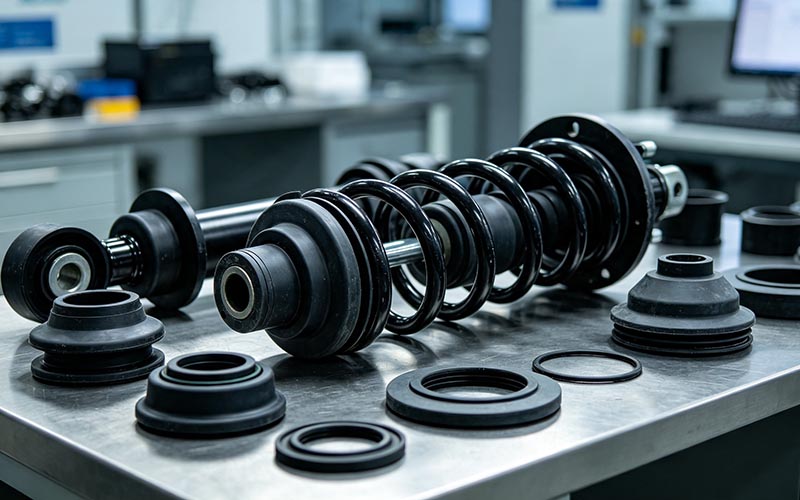
We supply full-category shock absorber components, including pistons, stampings, rubber seals, piston rods, springs, and self-developed banding/grooving machines.
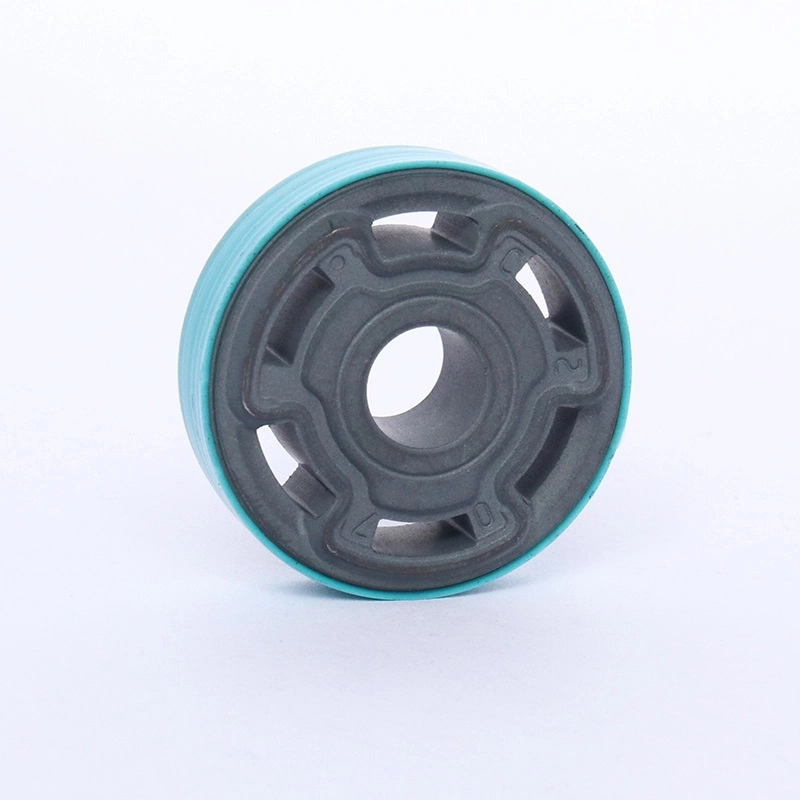
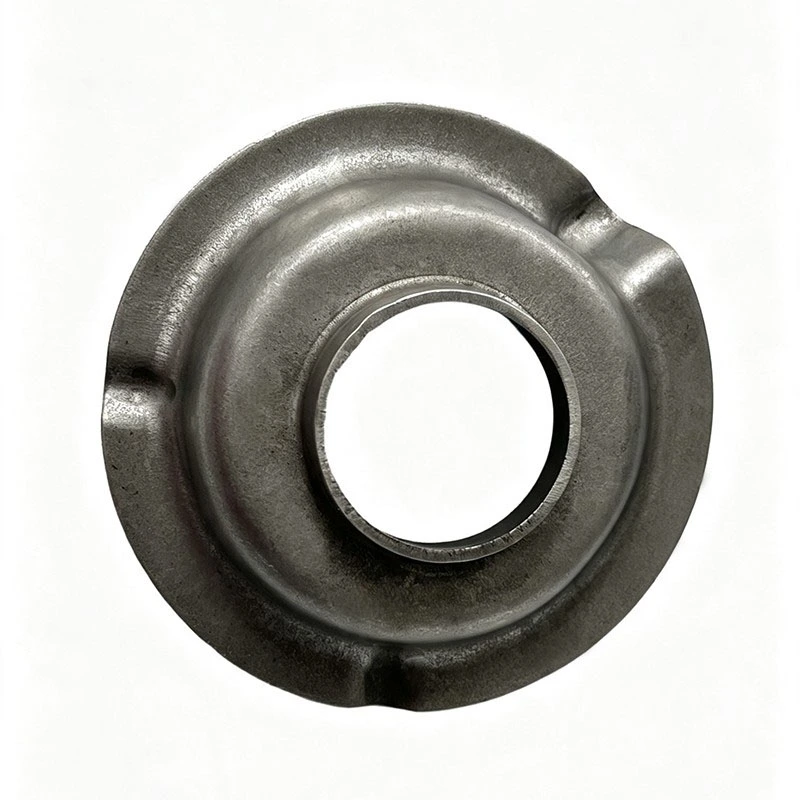
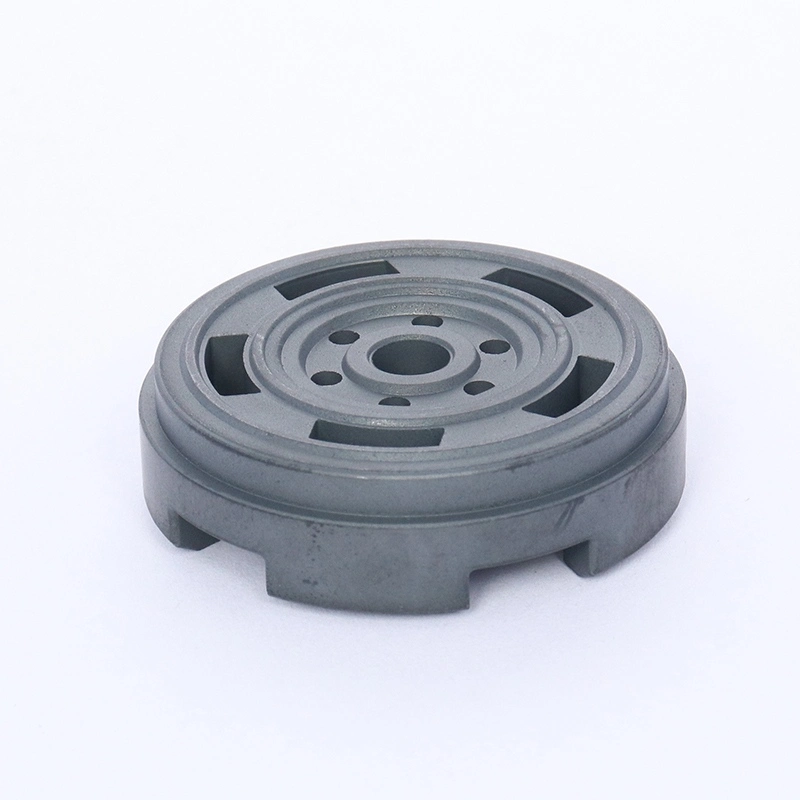
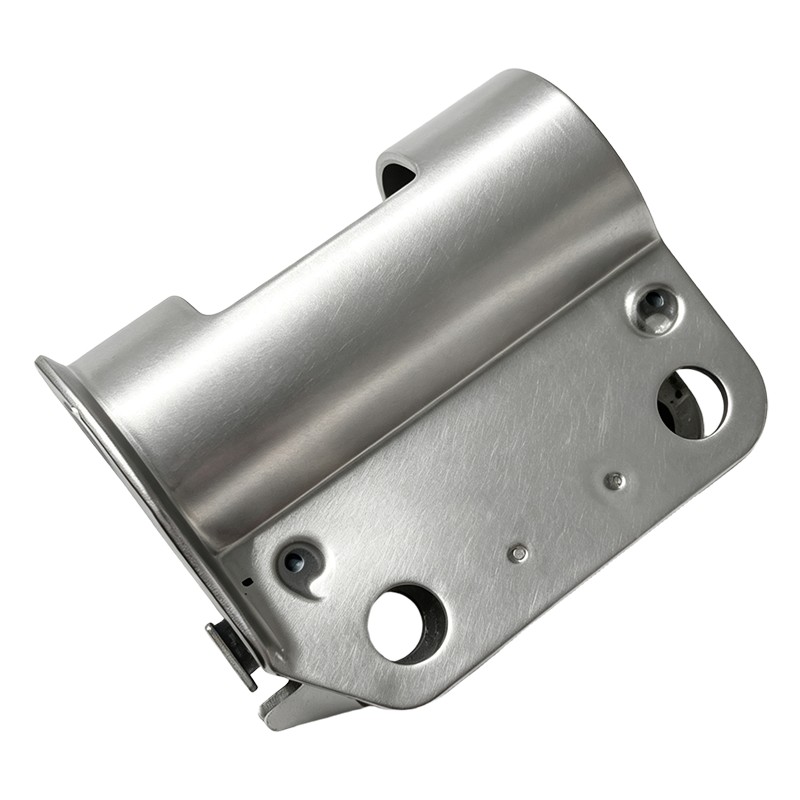
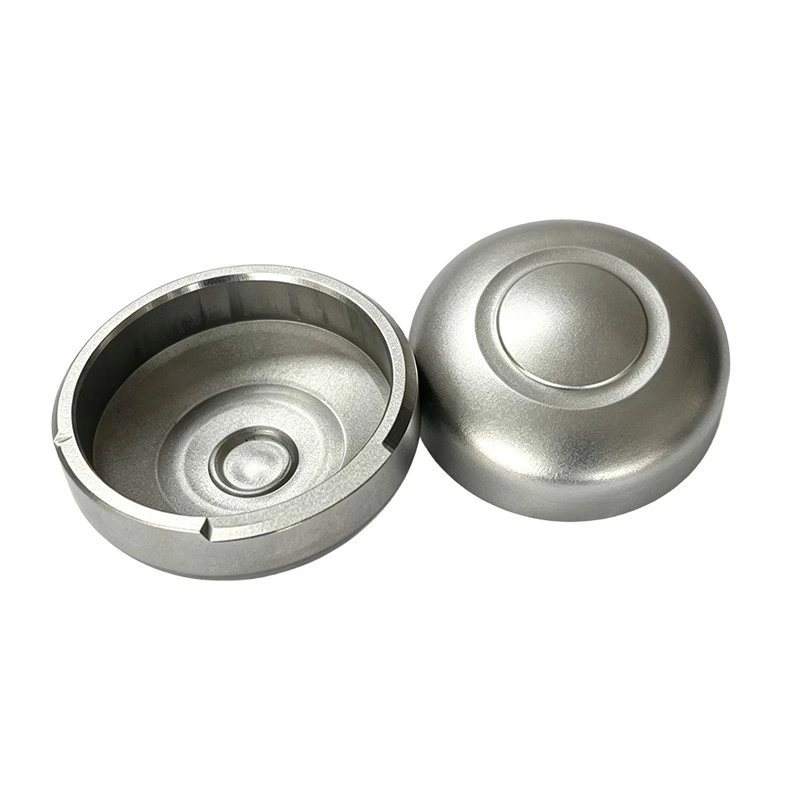


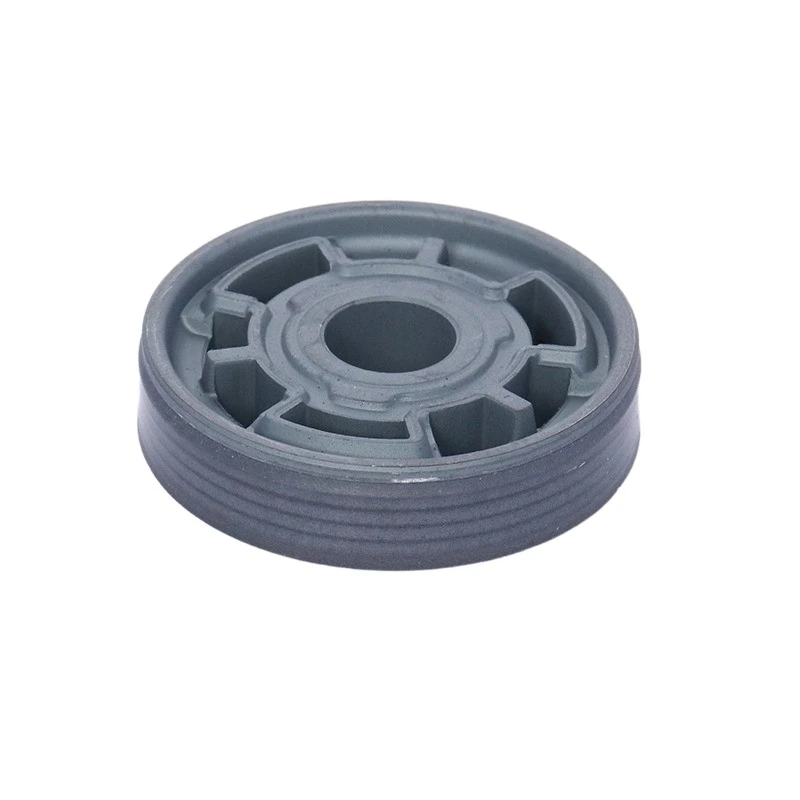
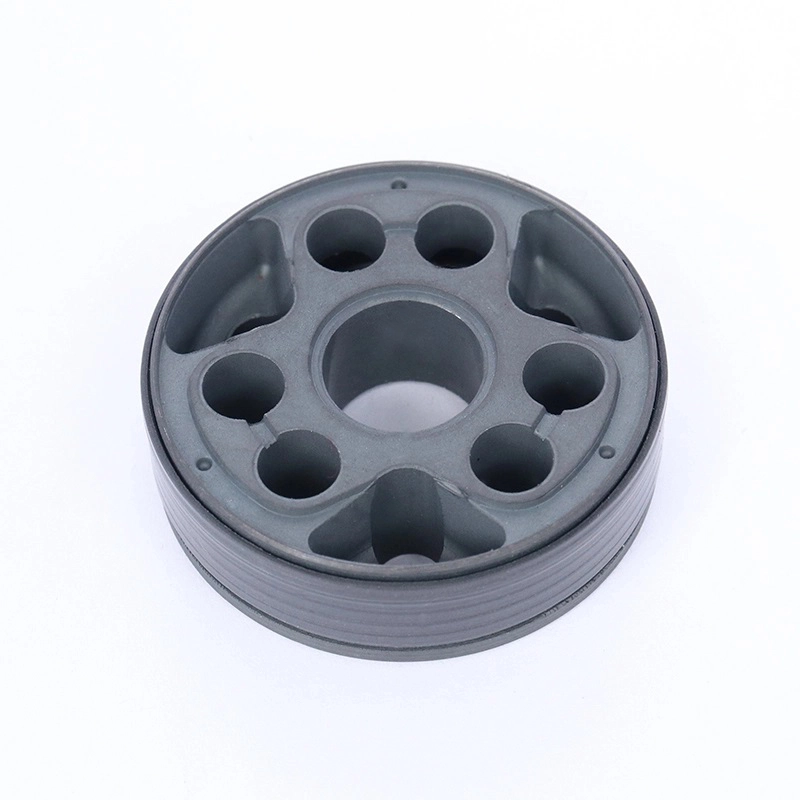
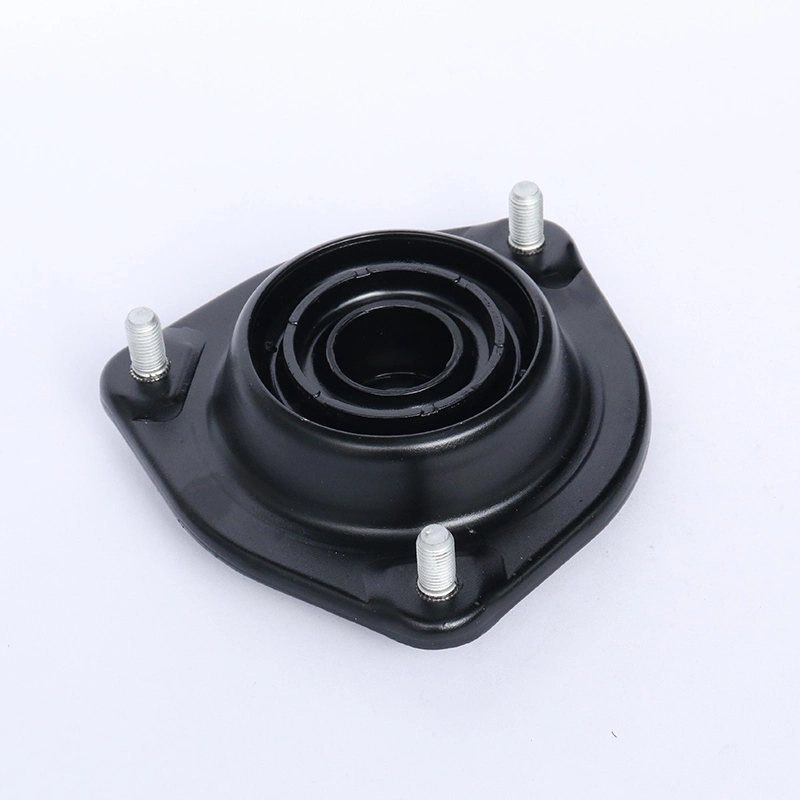
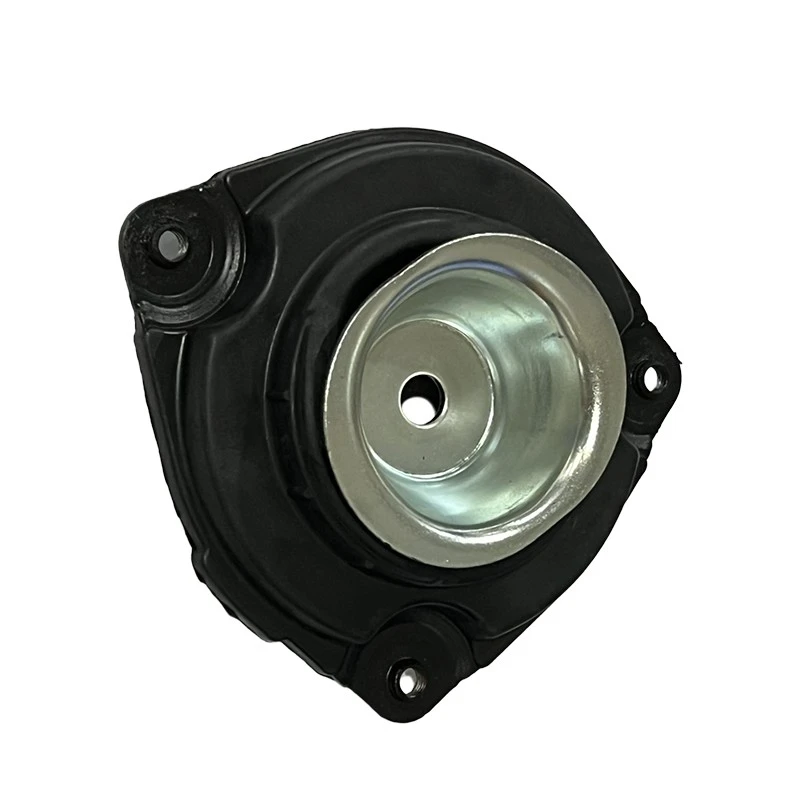
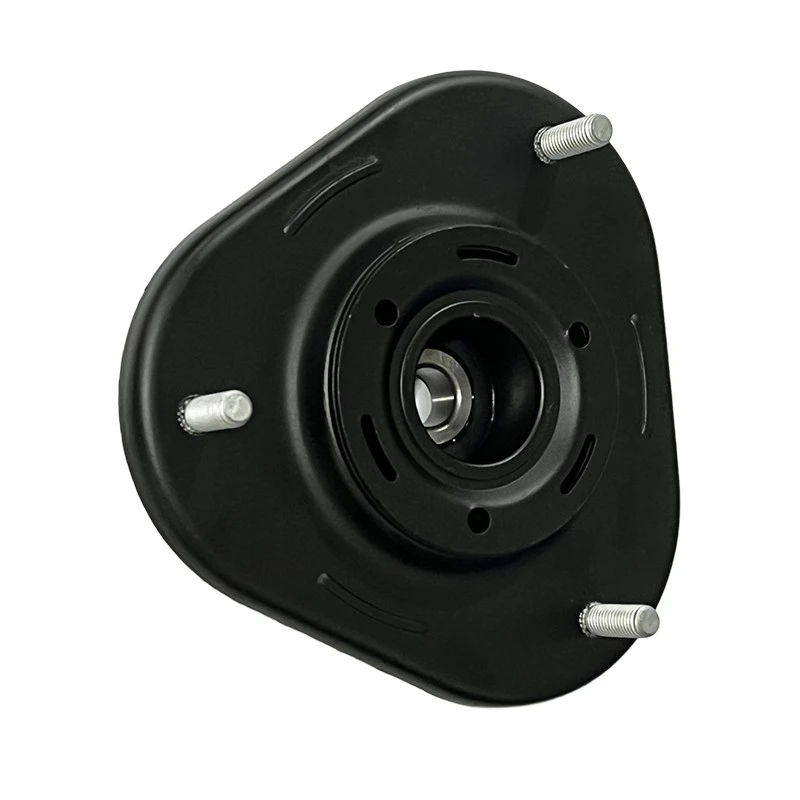
High-Elastomer Rubber Strut Mount
Long-term compression, repeated road impacts and temperature changes can gradually reduce the support and rebound performance of conventional strut mounts. XIAYI addresses these issues with the Low Compression High-Elastomer Rubber Strut Mount, combining controlled compression deformation with high elastic recovery to help maintain consistent suspension response throughout extended service.
A strut mount must maintain its shape and elasticity while continuously absorbing road impacts, body vibration and suspension movement. For buyers, the key concern is not simply hardness, but whether the material can remain resilient after thousands of compression cycles without becoming permanently deformed or losing its damping response.
The Low Compression High-Elastomer Rubber Strut Mount from XIAYI is developed around this requirement. Its low-compression structure works together with high-elastomer rubber formulations to balance compression resistance, rebound capability and vibration isolation. Different rubber options, including NR, EPDM, NBR and PU, allow the component to be matched with different vehicle types and operating environments.


Material Selection for Different Vehicle Conditions
Natural Rubber for Comfort-Oriented Vehicles
NR provides high elasticity and responsive rebound characteristics. It is suitable for urban passenger cars and applications where a softer suspension response and good vibration absorption are important.
EPDM for Extreme Climate
EPDM offers a wider temperature operating range and strong resistance to weathering. It is suitable for vehicles operating in regions with severe cold, high temperatures, humidity and long-term outdoor exposure.
NBR for Oil-Contact Environments
NBR provides good resistance to petroleum-based oils and is suitable for commercial vehicles and components exposed to oil or hydraulic-fluid environments. Its material characteristics can help maintain structural stability where conventional rubber may experience swelling or deterioration.
PU for Heavy-Duty Applications
PU provides high compression resistance, wear resistance and load-bearing capability. It is suitable for off-road vehicles, construction machinery and other applications where repeated impact and heavy loads place greater demands on the strut mount.
Elastic Recovery & Compression Stability
Low Permanent Deformation
The material system is designed to limit permanent deformation after repeated compression. This helps the mount maintain its original support characteristics during long-term vehicle operation and reduces the risk of suspension height changes caused by rubber collapse.
High Rebound Response
High-elastomer formulations allow the rubber to recover efficiently after compression. This supports continuous vibration absorption during road impacts and helps maintain a more consistent damping response.
Balanced Softness and Support
A strut mount that is excessively hard can transmit more road vibration into the vehicle body, while an overly soft material may provide insufficient support. XIAYI adjusts rubber formulation and hardness according to application requirements to balance comfort, support and suspension response.
Climate & Road Condition Adaptability
Cold-Weather Performance
For vehicles operating in northern regions, rubber flexibility at low temperatures is important. EPDM-based configurations can operate down to approximately -40℃, helping reduce brittleness and cracking during severe winter conditions.
High-Temperature Stability
Selected formulations can operate up to approximately 120℃, providing greater stability in high-temperature engine compartments and demanding road environments.
High-Frequency Road Vibration
Repeated compression and rebound can accelerate material fatigue. The low-compression design helps reduce permanent deformation during continuous vibration, making the component suitable for vehicles exposed to frequent road impacts and long operating hours.
Material Performance Comparison
| Material | Elasticity | Service Life | Temperature Range | Weather Resistance | Typical Application |
|---|---|---|---|---|---|
| Natural Rubber (NR) | Ultra High | Medium | -20℃ to 80℃ | Fair | City cars, comfort-focused vehicles |
| EPDM Rubber | High | Extra High | -40℃ to 120℃ | Excellent | All-climate vehicles |
| NBR Rubber | Medium | High | -30℃ to 100℃ | Good | Oil-exposed commercial vehicles |
| Polyurethane (PU) | Low/Firm | Ultra High | -30℃ to 120℃ | Good | Off-road and heavy-duty equipment |
Performance Compared with Conventional Materials
| Key Performance | Conventional Material | XIAYI Material System | Buyer Benefit |
|---|---|---|---|
| Elastic Recovery | Stiff or slow rebound | Responsive rebound | Improved ride comfort |
| Compression Resistance | Permanent deformation | Stable under repeated load | Reduced replacement frequency |
| Temperature Adaptability | Limited | Wider operating range | Better climate compatibility |
| Aging Resistance | Early hardening or cracking | Improved long-term stability | Lower maintenance cost |
| Rubber-Metal Bonding | Potential separation | Reinforced bonding | Reduced noise and looseness |
| Fatigue Performance | Performance decreases with use | Stable repeated compression | Longer service life |
Solutions for Common Suspension Problems
Compression Collapse
Long-term vehicle loading can cause conventional rubber components to lose their original shape. XIAYI uses reinforced elastomer formulations and low-compression design to maintain support characteristics during extended operation.
Loss of Elasticity
Rubber hardening reduces rebound capability and can make suspension systems feel increasingly harsh. The high-elastomer material system is designed to retain elasticity for longer periods.
Chassis Noise and Vibration
Poor material matching can increase vibration transmission between the suspension and vehicle body. Appropriate rubber hardness and damping characteristics help absorb road impacts and reduce unwanted chassis noise.
Climate-Related Aging
Different climates place different demands on rubber. XIAYI provides NR, EPDM, NBR and PU options so buyers can select a formulation based on temperature, oil exposure, humidity and mechanical load.
Real Vehicle Application Cases
European Urban Taxi Fleet Refit Project
A local taxi operation company in Germany has more than 200 urban commuter taxis. Due to frequent start-stop, bumpy road conditions and long-time load operation, the original strut mounts often suffered from compression collapse and elastic attenuation within 1--2 years, resulting in increased chassis vibration, obvious bump noise, frequent replacement and high maintenance costs.
After replacing them with XIAYI NR Low Compression High-Elastomer Rubber Strut Mounts, the products maintained stable compression performance after 3 years of continuous operation, with no permanent deformation or cracking. Chassis NVH was significantly optimized, and comprehensive service life increased by more than 60%, reducing fleet maintenance frequency and operating costs.
High-Low Temperature Extreme Climate Vehicle Matching
An automotive parts distributor in Northern Europe faced the problem that ordinary strut mounts became brittle and cracked in -30℃ severe cold and softened during high-temperature summer conditions.
The distributor adopted XIAYI EPDM low-compression high-elastic strut mounts. With a -40℃ to 120℃ operating range and strong weather resistance, the components maintained stable elasticity and compression performance throughout the year. The customer's product repurchase rate increased by 45%.
Off-Road Heavy-Duty Engineering Vehicle Application
A Chinese engineering machinery enterprise required strut mounts capable of handling rough roads, strong impacts and frequent vibration. It selected XIAYI PU low-compression high-elastic strut mounts for its heavy-duty vehicles.
The PU formulation provided high compression stability and wear resistance. After 2 years of field testing, no delamination, collapse or damage occurred, meeting the demanding requirements of heavy-duty equipment operation.
OEM Material Matching & Customization
Material Selection Based on Application
XIAYI can recommend NR, EPDM, NBR or PU according to vehicle type, operating temperature, load, oil exposure and expected service life. This allows buyers to avoid using one rubber formulation across applications with significantly different operating conditions.
Customized Rubber Characteristics
Rubber hardness, elasticity and compression characteristics can be adjusted according to customer drawings and suspension requirements. This supports different suspension tuning objectives, from comfort-oriented passenger vehicles to heavy-duty machinery.
Prototype to Mass Production
XIAYI supports product development from sample or drawing review through prototype verification and volume production. This helps OEM and aftermarket customers confirm material compatibility and dimensional requirements before large-scale purchasing.
Product Parameters
| Parameter | XIAYI Reference Value |
|---|---|
| Available Materials | NR / EPDM / NBR / PU |
| EPDM Temperature Range | -40℃ to 120℃ |
| NBR Temperature Range | -30℃ to 100℃ |
| NR Temperature Range | -20℃ to 80℃ |
| PU Temperature Range | -30℃ to 120℃ |
| Application | Passenger Cars / SUVs / Commercial Vehicles / Off-Road Equipment |
| Customization | OEM / ODM |
| Quality System | IATF 16949:2016 |
Frequently Asked Questions
What makes this strut mount different from a conventional rubber strut mount?
The main difference is its focus on balancing low compression deformation with high elastic recovery. Instead of simply increasing rubber hardness, XIAYI uses different elastomer formulations to maintain support while preserving rebound and vibration absorption.
Which rubber material should buyers choose?
NR is suitable for comfort-oriented urban vehicles, EPDM is recommended for extreme climates, NBR is better for oil-exposed applications, while PU is suitable for heavy-duty and off-road conditions. XIAYI can recommend the appropriate material according to the actual working environment.
Can the rubber hardness and dimensions be customized?
Yes. XIAYI supports customization of rubber hardness, material formulation, dimensions and other parameters according to customer drawings, samples and suspension requirements.
What quality standards does XIAYI follow?
XIAYI operates under an IATF 16949:2016 quality management system and applies standardized inspection and process controls to material preparation, molding, bonding and finished-product testing.
Product Application Scope
The Low Compression High-Elastomer Rubber Strut Mount is suitable for passenger cars, SUVs, MPVs, urban taxis, fleet vehicles, commercial vehicles and off-road equipment. Depending on the selected elastomer, it can be adapted to severe cold, high-temperature, humid, dusty and oil-contact environments. The combination of low compression and high elasticity makes it suitable for buyers seeking stable suspension support, reduced vibration transmission and longer replacement intervals.
Related Category
Send Inquiry
Contact Info
-
Address
No.209 Lane 520 Tongning Rd,Qianjiang Street,Jiangbei District, Ningbo City, Zhejiang Province, China
-
Tel
-
Email
Get a Tailored Quote for Your Shock Absorber Parts
Why Global Buyers Choose Ningbo Xiayi:
✓ IATF 16949 Certified — Defect rate strictly controlled below 0.1%.
✓ Full-Category Supply — Pistons, rods, springs, stampings & rubber parts.
✓ R&D Support — Custom powder metallurgy formulas & 7-10 day rapid prototyping.
✓ Proven Capacity — 50 million core pistons produced annually for global OEMs.
Ready to start? Complete the form below and our engineering team will respond within 24 hours with a custom recommendation.
News Recommendations