- Home
- About Us
- Products
- News
- Download
- Send Inquiry
- Contact Us

Products
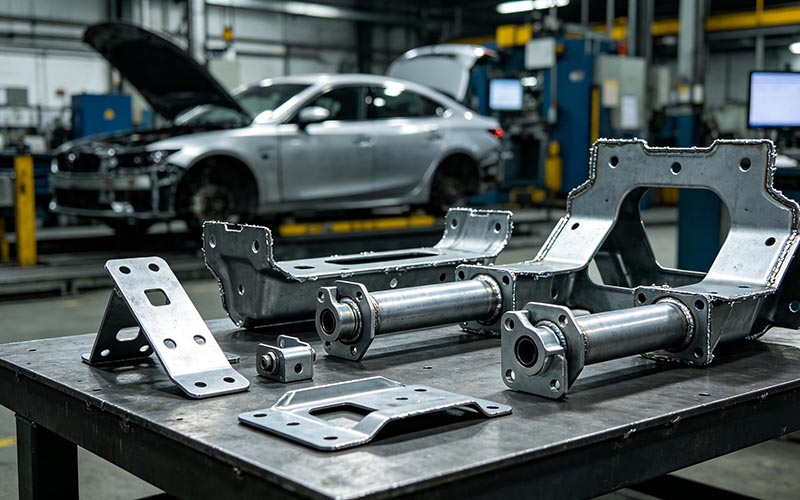
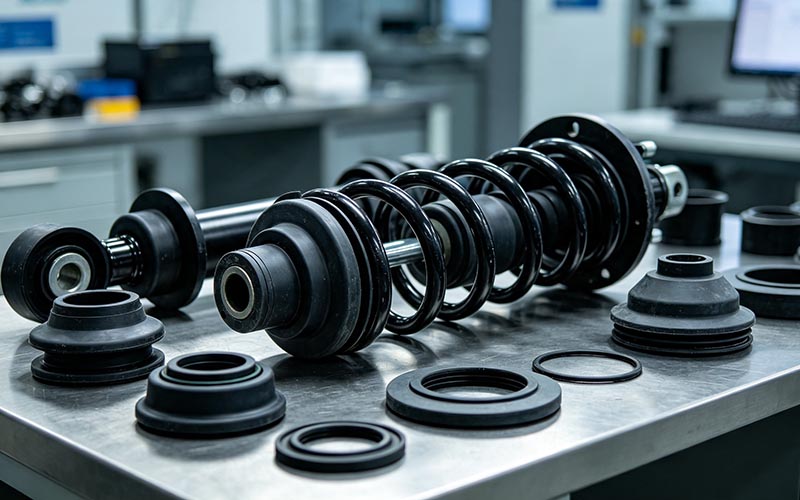
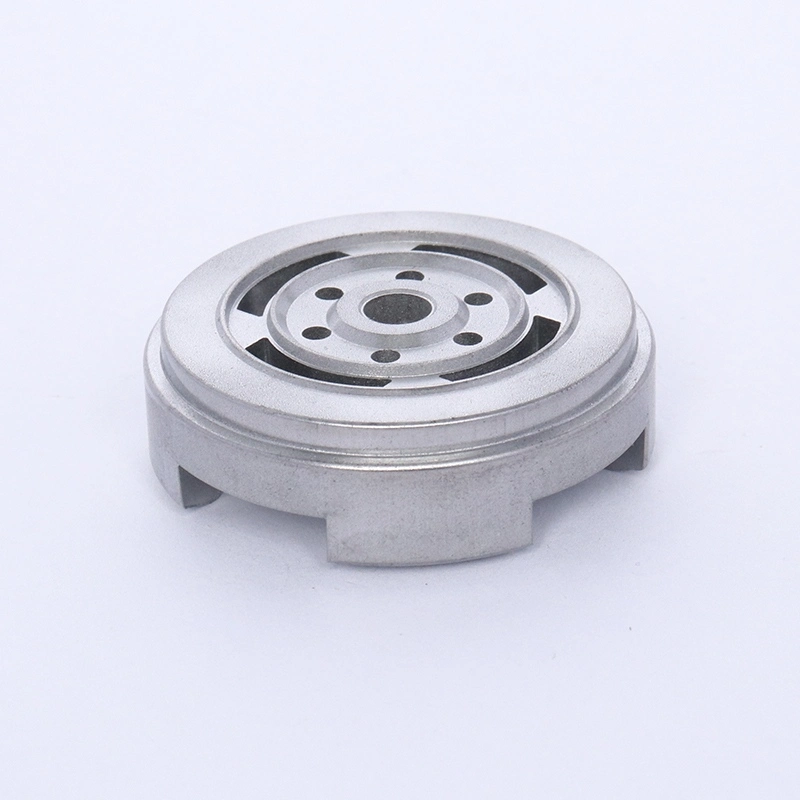
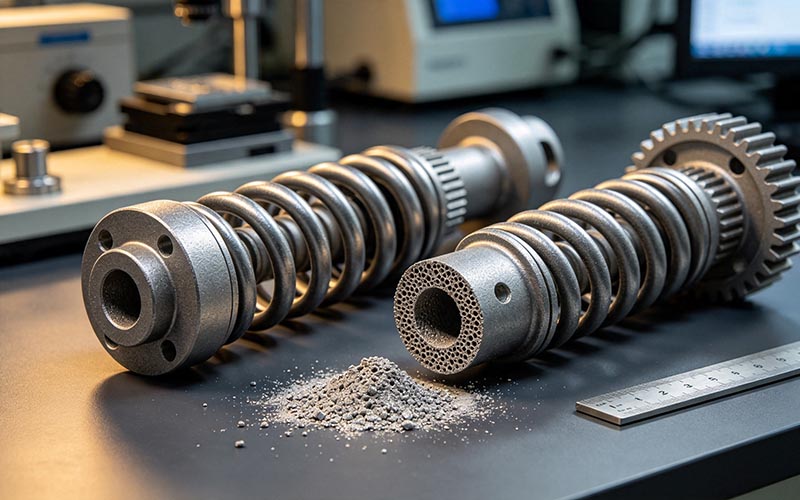
We supply full-category shock absorber components, including pistons, stampings, rubber seals, piston rods, springs, and self-developed banding/grooving machines.
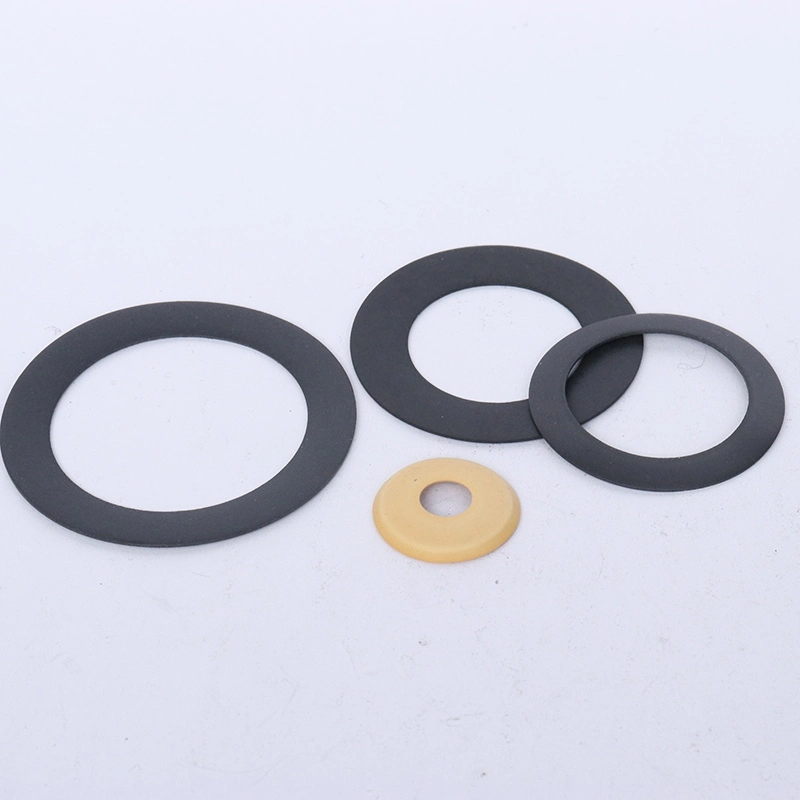
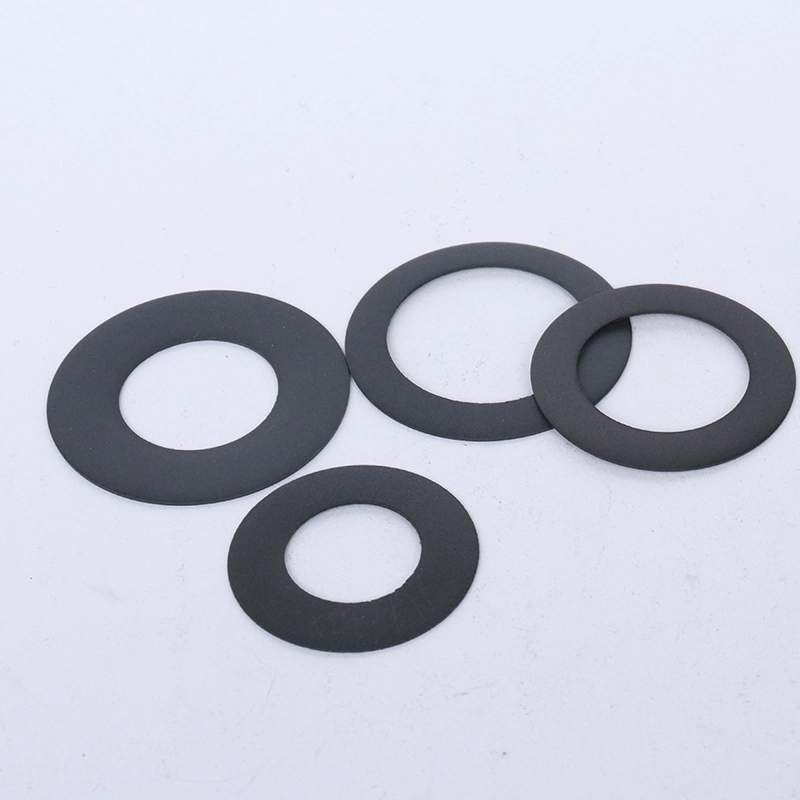
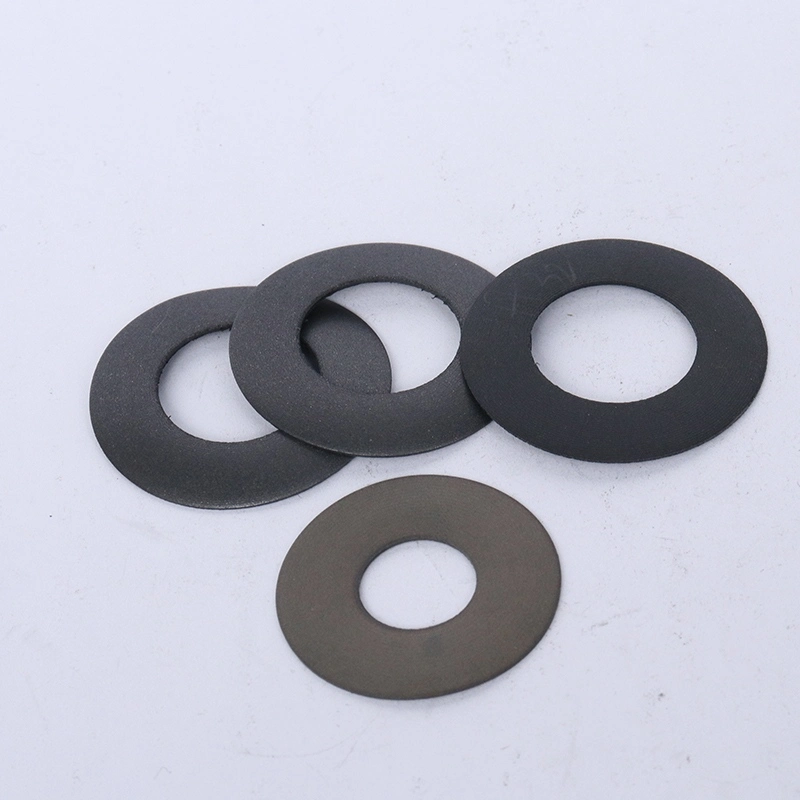
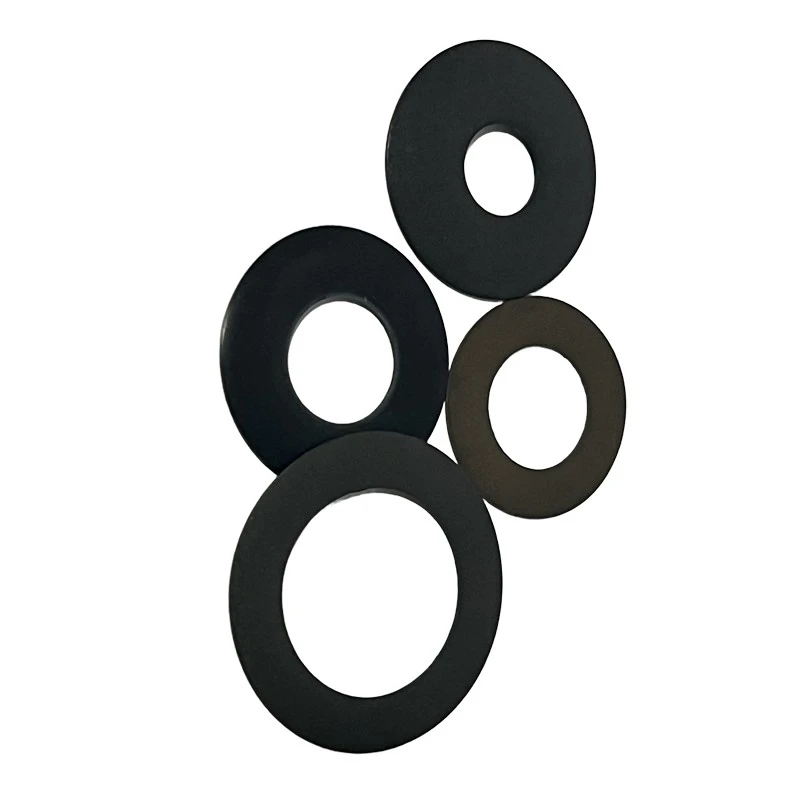
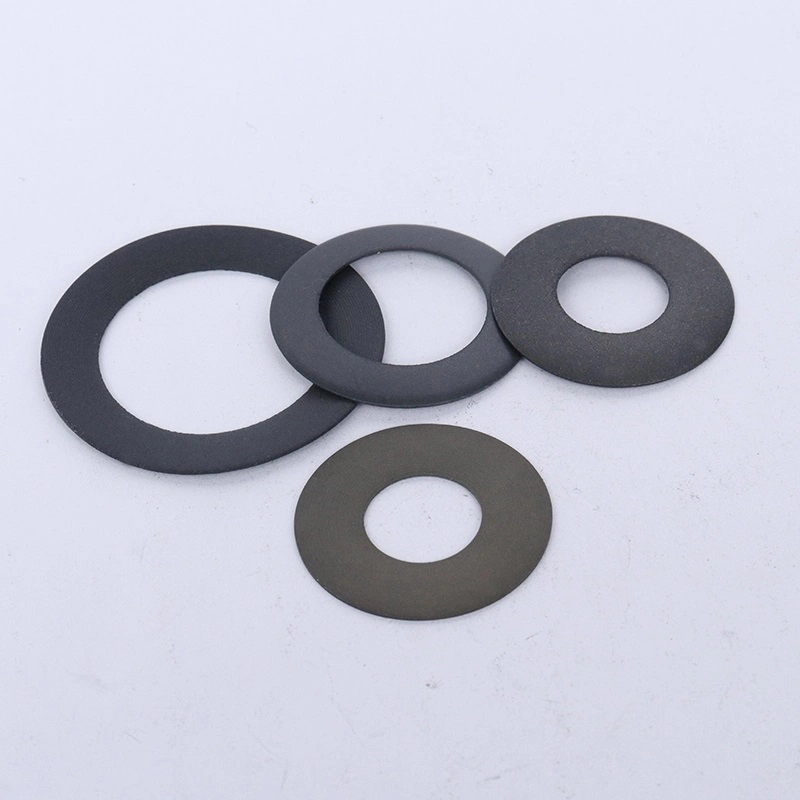
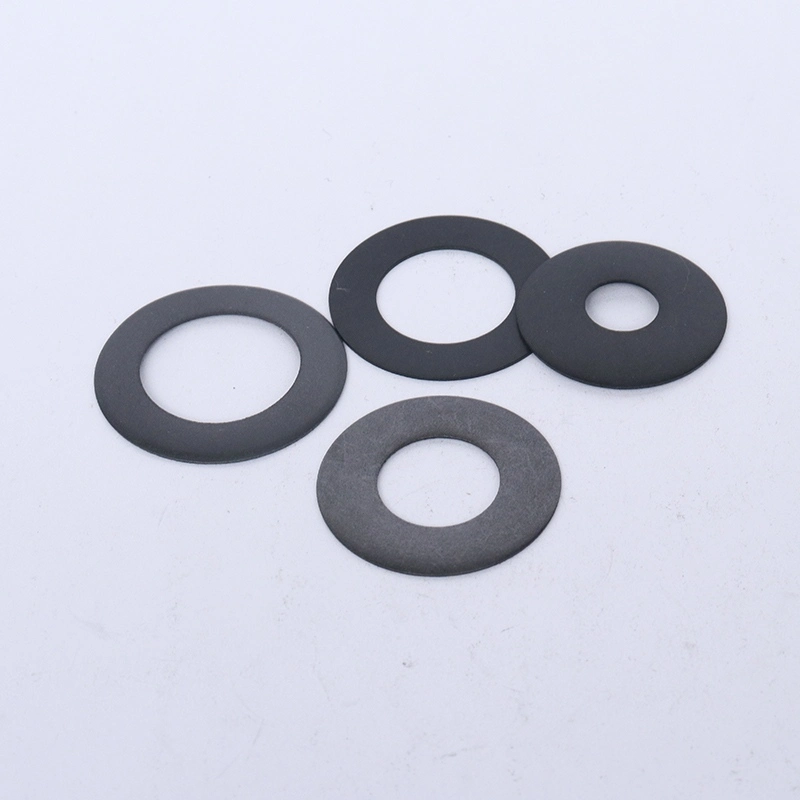
Low-Friction PTFE Piston Ring
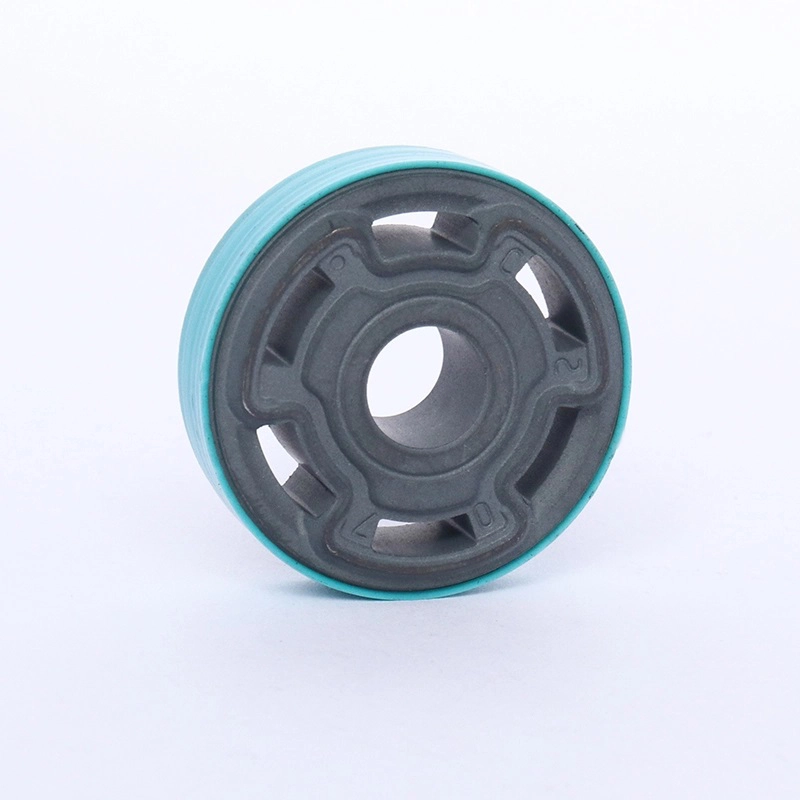
Designed for shock absorber piston assemblies, XIAYI Low-Friction PTFE Piston Ring combines modified virgin PTFE, precision machining and controlled friction performance to reduce sliding resistance and maintain consistent damping. With a standard size of 18.0±0.1 mm ID, 34.6±0.1 mm OD and 0.8±0.02 mm thickness, it is suitable for automotive and engineering machinery applications.
XIAYI Low-Friction PTFE Piston Ring is a precision friction-control component developed for shock absorber piston assemblies in automotive and industrial applications. Unlike conventional PTFE piston rings that focus only on basic sealing performance, XIAYI optimizes the material formula, surface structure and machining accuracy to achieve smoother piston movement and more stable damping performance.
Made from high-purity PTFE combined with functional fillers, the product reduces sliding resistance between the piston and cylinder, helping minimize abnormal noise, friction heat and uneven damping response during long-term reciprocating operation.
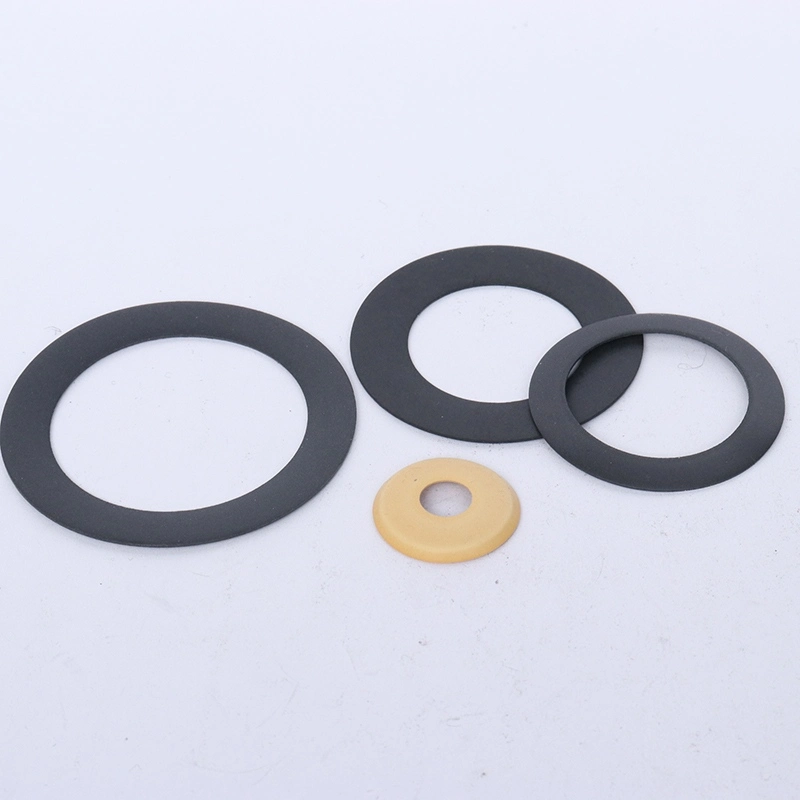
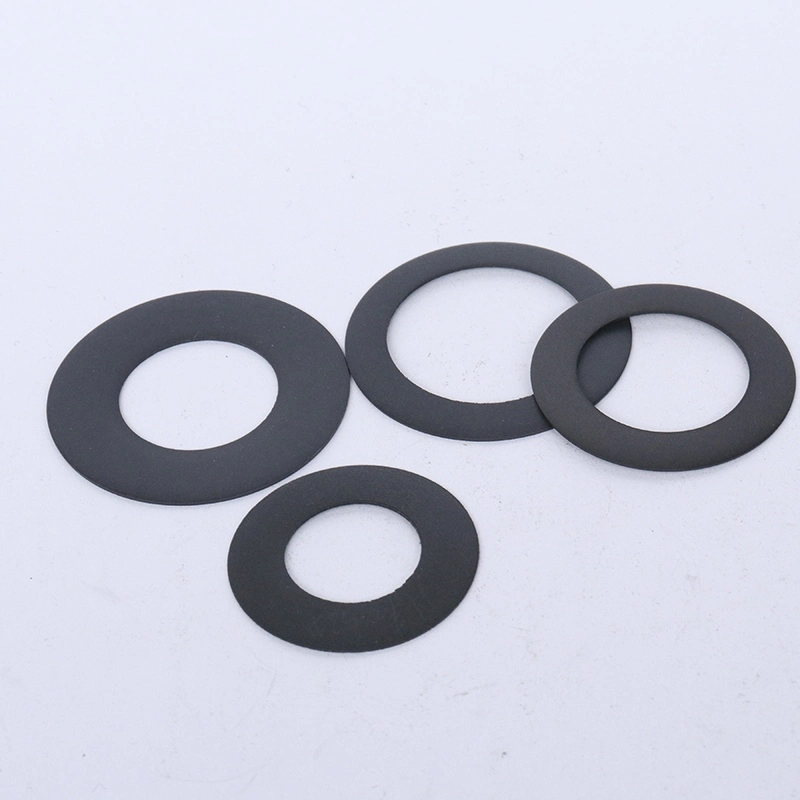
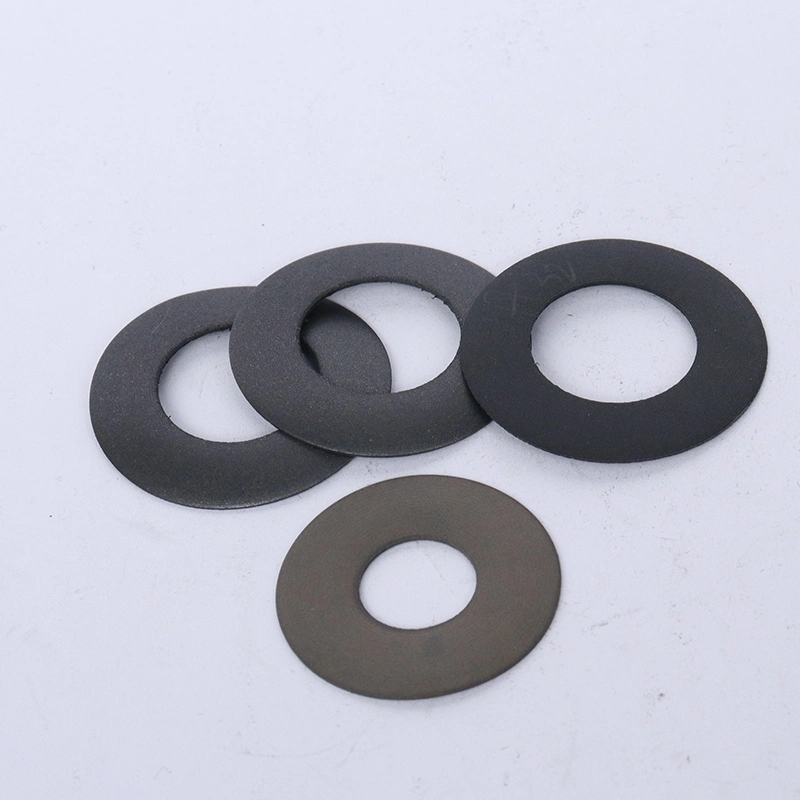
Friction Control
Stable Sliding
The Low-Friction PTFE Piston Ring works directly between the piston and cylinder, so friction stability is critical to shock absorber response. XIAYI uses virgin PTFE with functional fillers to create a smooth sliding interface, helping reduce resistance during repeated piston movement and maintain consistent damping behavior.
Surface Protection
A mirror-finished surface with roughness of Ra≤0.2μm reduces sharp contact points and minimizes the risk of cylinder wall scratching. The controlled surface condition also helps reduce friction-related noise during continuous reciprocating movement.
Material Design
Modified PTFE
The material combines high-purity virgin PTFE with precisely controlled functional fillers. Filler proportion error is controlled within 0.5%, improving material uniformity and reducing performance differences between different production batches.
Thermal Stability
Gradient sintering at 380℃±1℃ helps stabilize the internal structure of the PTFE material. This improves resistance to creep, deformation and long-term mechanical stress in shock absorber applications.
Size & Fit
Standard Dimensions
| Parameter | XIAYI Specification |
|---|---|
| Inner Diameter | 18.0±0.1 mm |
| Outer Diameter | 34.6±0.1 mm |
| Thickness | 0.8±0.02 mm |
| Surface Roughness | Ra≤0.2 μm |
| Material | Virgin PTFE + Functional Fillers |
| Process Capability | Cpk≥1.67 |
| Wear Verification | 1 million reciprocating cycles |
| Working Temperature | -40℃ to 120℃ |
Assembly Consistency
Dimensional stability directly affects piston movement and damping response. XIAYI applies CNC machining and statistical process control to the key dimensions, with Cpk≥1.67 as the process capability target. This helps maintain consistent clearance and reduces assembly variation during mass production.
Process Control
Material Preparation
Virgin PTFE is screened before production and mixed through closed equipment to achieve uniform filler dispersion. The controlled preparation process reduces the risk of local hard or soft areas that may otherwise lead to uneven wear.
Precision Forming
CNC hydraulic compression provides controlled pressure and density during preform production. The sintering process then uses programmed temperature control to reduce dimensional drift and improve structural stability.
Final Finishing
Ultra-precision CNC machining establishes the final dimensions, followed by deburring and mirror polishing. The finished surface reaches Ra≤0.2μm, helping provide smooth contact with the cylinder and piston assembly.
Quality Verification
Dimensional Testing
XIAYI uses 2D vision measuring equipment and precision micrometers to verify critical dimensions. Process capability is monitored through SPC methods, while production records allow batch-level quality traceability.
Wear Testing
Reciprocating friction testing is used to evaluate wear behavior under repeated movement. The product has completed 1 million-cycle verification without obvious wear or deformation, providing a reference for long-term shock absorber applications.
Performance Comparison
XIAYI vs Standard PTFE
| Performance | XIAYI PTFE Piston Ring | Standard PTFE Ring |
|---|---|---|
| Friction Control | Low and stable | More fluctuation |
| Material | Virgin PTFE + functional fillers | Basic PTFE |
| Surface Roughness | Ra≤0.2 μm | Usually higher |
| Wear Verification | 1 million cycles | Generally shorter |
| Creep Resistance | Gradient-sintered structure | General |
| Batch Consistency | Cpk≥1.67 | Supplier dependent |
| Cylinder Protection | Smooth sliding surface | Depends on finish |
| Customization | Available | Varies by supplier |
Operating Benefits
The combination of controlled material composition, stable dimensions and low surface roughness helps reduce friction-related wear inside the shock absorber. For manufacturers, this can contribute to more consistent assembly, reduced component replacement and improved damping stability over repeated operating cycles.
Production Standards
Process Matrix
| Process | Key Control | XIAYI Standard |
|---|---|---|
| Raw Material | Purity & filler ratio | Virgin material, error <0.5% |
| Mixing | Dispersion | Closed-loop mixing |
| Compression | Pressure & density | 3.8--4.2 MPa |
| Sintering | Temperature | 380℃±1℃ |
| CNC Machining | ID / OD / Thickness | Precision control |
| Polishing | Surface roughness | Ra≤0.2 μm |
| Inspection | Process capability | Cpk≥1.67 |
Quality Management
XIAYI has established a quality management system compliant with IATF 16949:2016, with production control covering material inspection, process monitoring, dimensional verification and final testing. This system supports consistent quality requirements for automotive customers and long-term OEM supply programs.
Application Fields
Automotive Systems
The Low-Friction PTFE Piston Ring is suitable for shock absorber piston assemblies used in passenger cars, SUVs, new energy vehicles and commercial vehicles. Its low-friction surface helps maintain smooth piston movement under repeated road vibration.
Machinery Equipment
It can also be applied to shock absorber and reciprocating sliding systems used in construction machinery and other equipment where low friction, dimensional stability and wear resistance are required.
Application Case
A domestic professional new energy vehicle shock absorber manufacturer had experienced wear and deformation problems with conventional piston rings after prolonged road vibration and high-temperature operation. These issues resulted in damping instability, chassis noise and increased after-sales maintenance, while inconsistent product batches also affected finished-product qualification rates.
After replacing the conventional components with XIAYI Low-Friction PTFE Piston Ring, the project achieved significant improvement. After 1 million reciprocating wear cycles and actual road-condition verification, the piston ring showed no obvious wear or deformation, while damping attenuation was controlled within 2%. With Cpk≥1.67 batch control, the manufacturer's finished-product qualification rate increased by 8%, and after-sales maintenance costs decreased by more than 15%. The two companies subsequently established a long-term cooperation, with XIAYI piston rings becoming the fixed matching component for the manufacturer's high-end new energy vehicle shock absorbers.
Product Advantages
Low Friction
The modified PTFE material and Ra≤0.2μm mirror surface help reduce sliding resistance and maintain smooth piston movement during continuous reciprocating operation.
Long Service
The controlled sintering structure and functional filler system improve resistance to wear and creep, with 1 million-cycle verification supporting its use in long-term shock absorber applications.
Stable Supply
Cpk≥1.67 process control, standardized inspection and batch traceability help XIAYI maintain consistent product quality for automotive mass production.
FAQ
What applications are suitable?
The Low-Friction PTFE Piston Ring is mainly designed for shock absorber piston assemblies in passenger vehicles, EVs, commercial vehicles and engineering machinery. It is particularly suitable for applications requiring stable low friction and repeated reciprocating movement.
Can the dimensions be customized?
Yes. In addition to the standard 18.0±0.1 mm ID, 34.6±0.1 mm OD and 0.8±0.02 mm thickness, XIAYI can develop customized dimensions and material formulations according to piston assembly drawings, samples and operating requirements.
How does XIAYI control batch consistency?
XIAYI combines virgin PTFE material control, precision forming, CNC machining, SPC monitoring and final dimensional inspection. The process capability target reaches Cpk≥1.67, while the IATF 16949:2016 quality management system supports traceable production and stable OEM supply.
XIAYI Supply Capability
XIAYI specializes in precision PTFE components for automotive and industrial applications. With controlled material preparation, precision machining, performance testing and an IATF 16949:2016-compliant quality management system, the company supports standard and customized PTFE piston rings for OEM, replacement and engineering applications.
Hot Tags: Low-Friction PTFE Piston Ring, PTFE Piston Ring Supplier, Custom PTFE Piston Rings
Send Inquiry
Contact Info
-
Address
No.209 Lane 520 Tongning Rd,Qianjiang Street,Jiangbei District, Ningbo City, Zhejiang Province, China
-
Tel
-
Email
Get a Tailored Quote for Your Shock Absorber Parts
Why Global Buyers Choose Ningbo Xiayi:
✓ IATF 16949 Certified — Defect rate strictly controlled below 0.1%.
✓ Full-Category Supply — Pistons, rods, springs, stampings & rubber parts.
✓ R&D Support — Custom powder metallurgy formulas & 7-10 day rapid prototyping.
✓ Proven Capacity — 50 million core pistons produced annually for global OEMs.
Ready to start? Complete the form below and our engineering team will respond within 24 hours with a custom recommendation.