- Home
- About Us
- Products
- News
- Download
- Send Inquiry
- Contact Us

Products
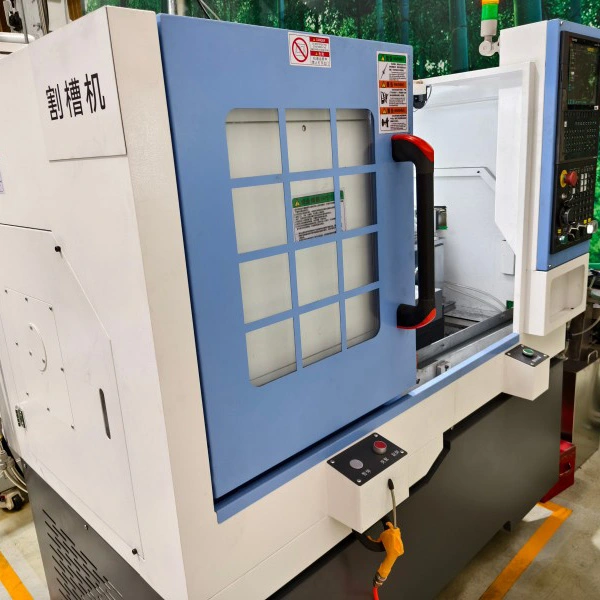
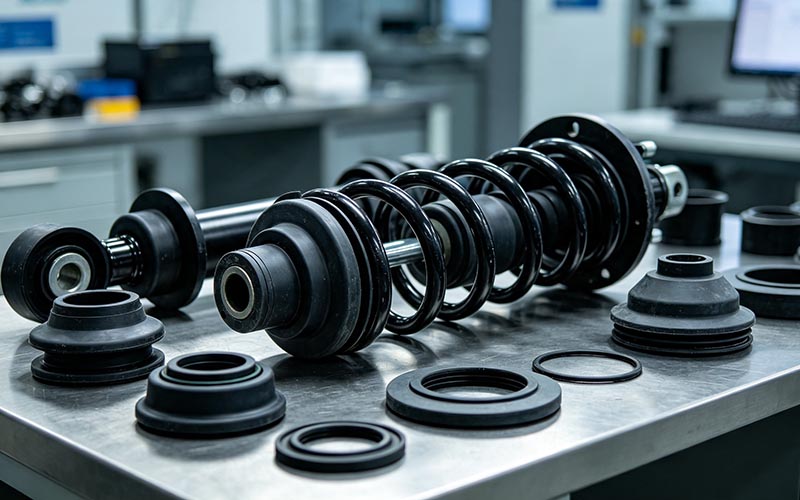
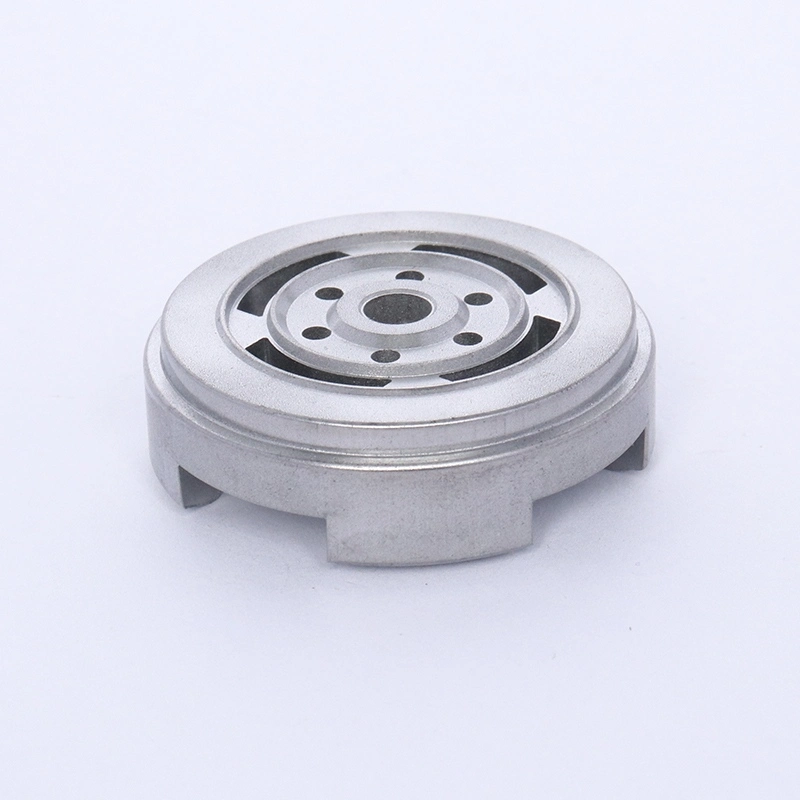
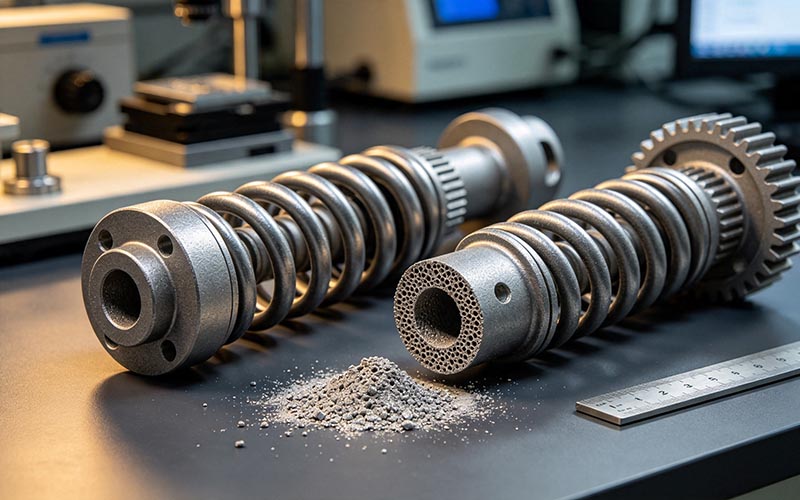
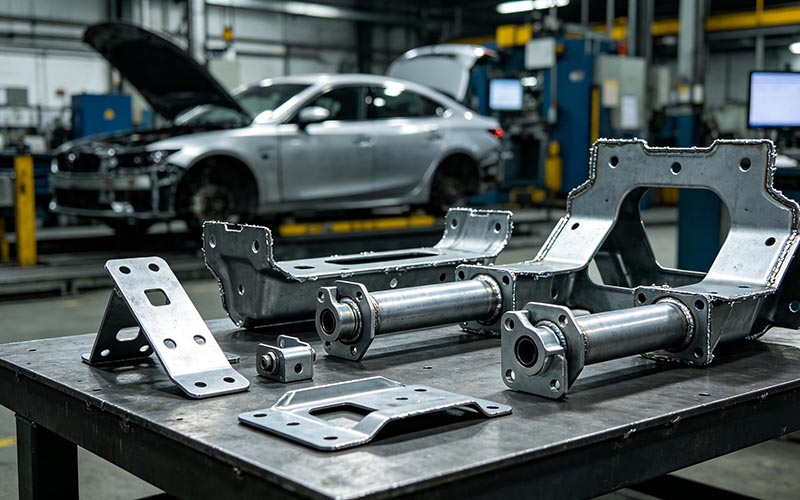
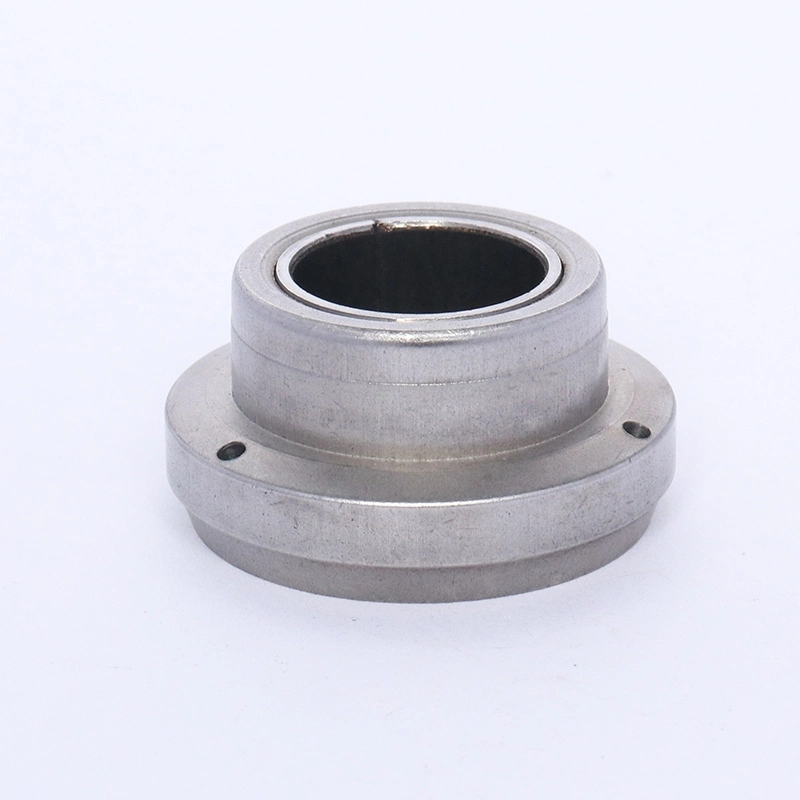
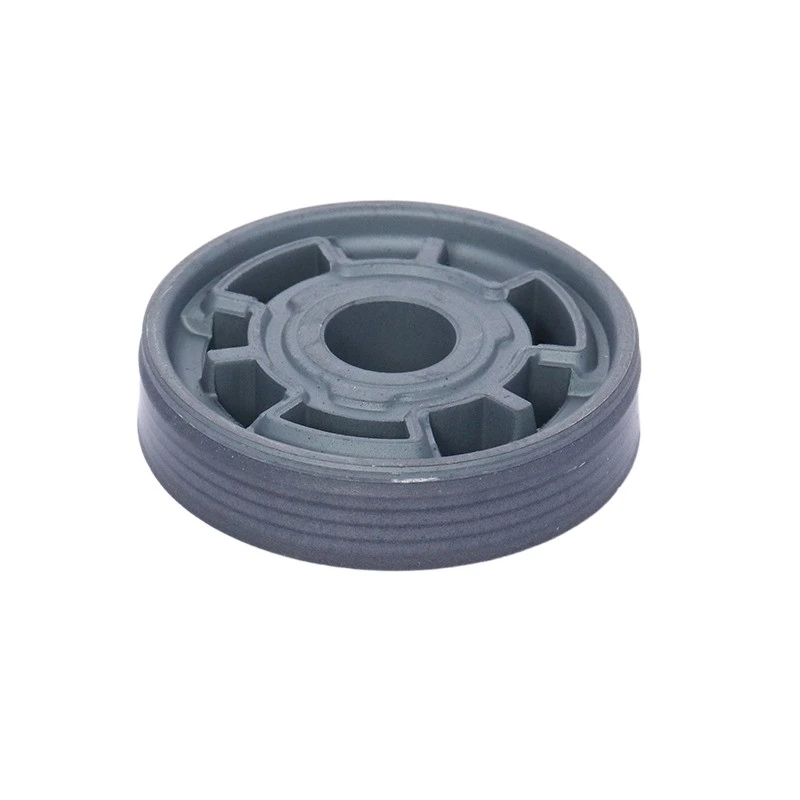
We supply full-category shock absorber components, including pistons, stampings, rubber seals, piston rods, springs, and self-developed banding/grooving machines.
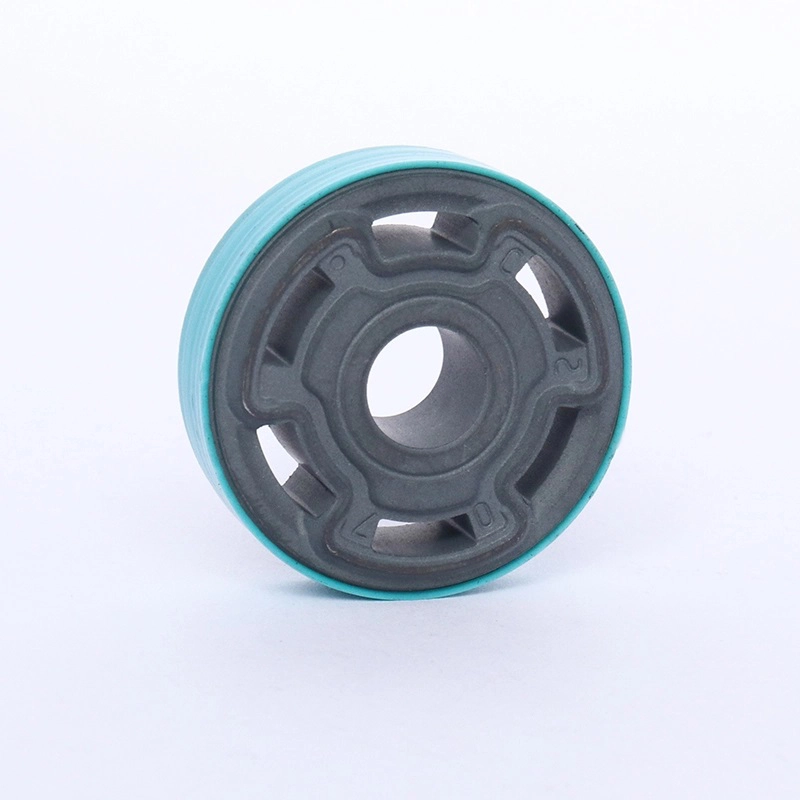
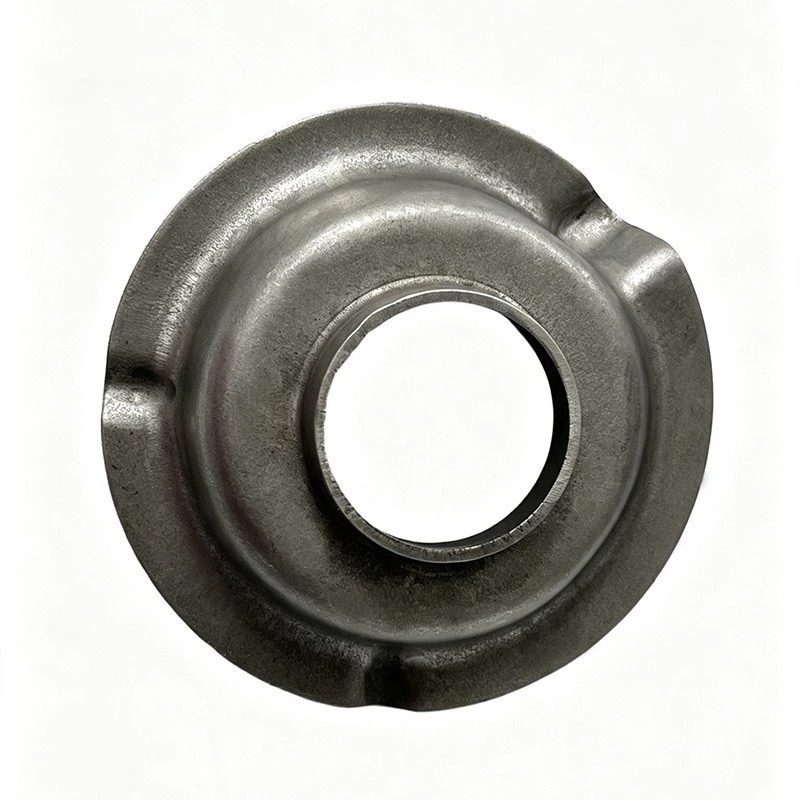
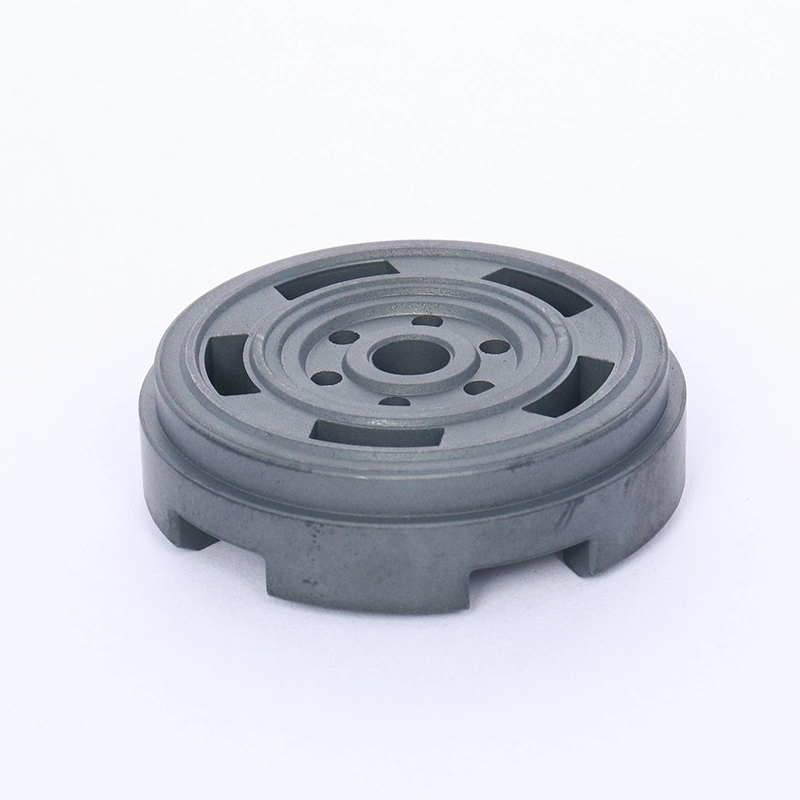
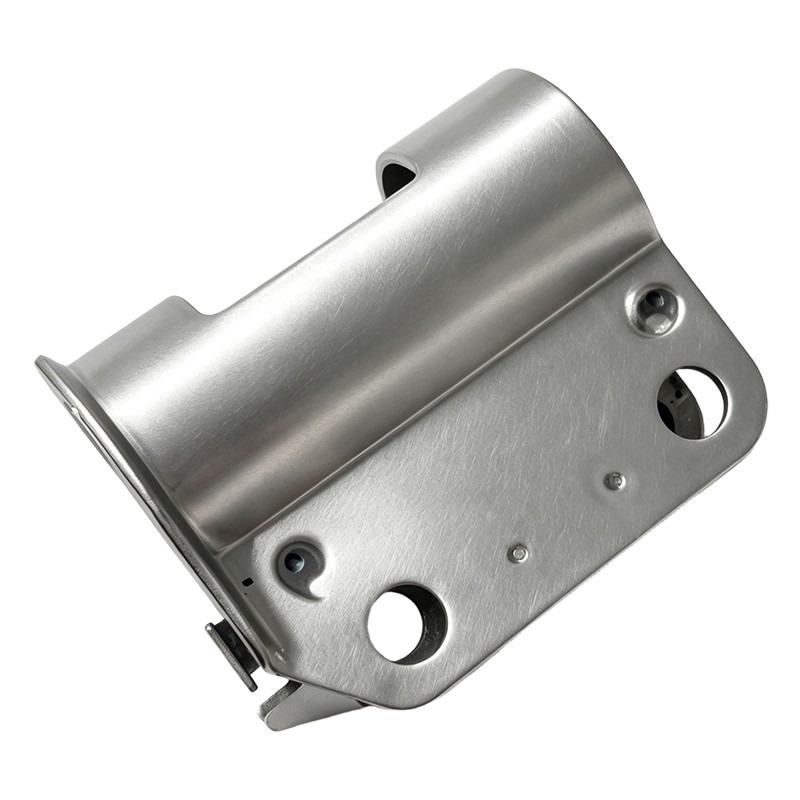
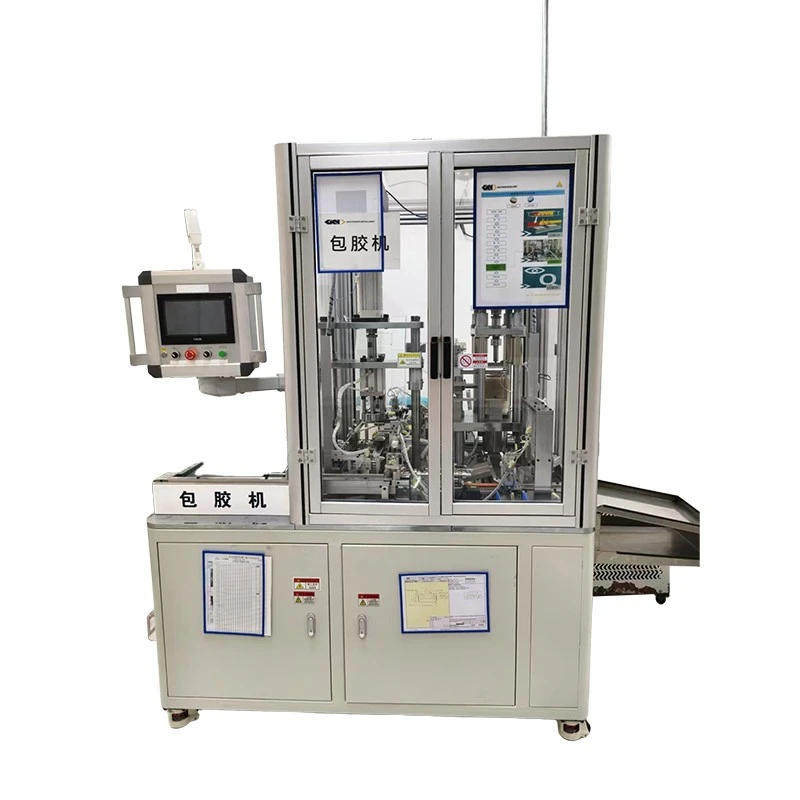
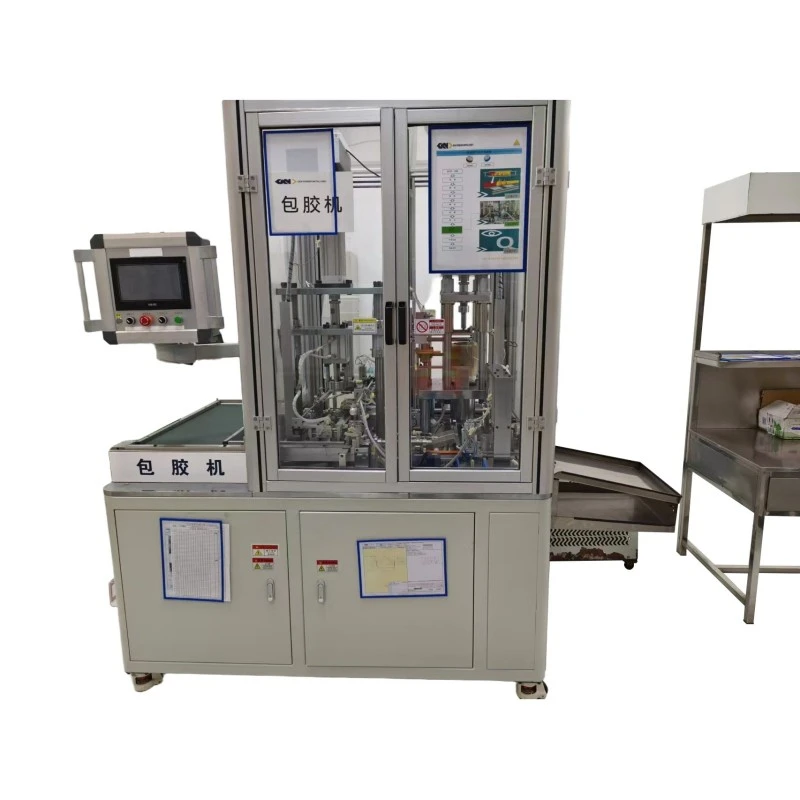
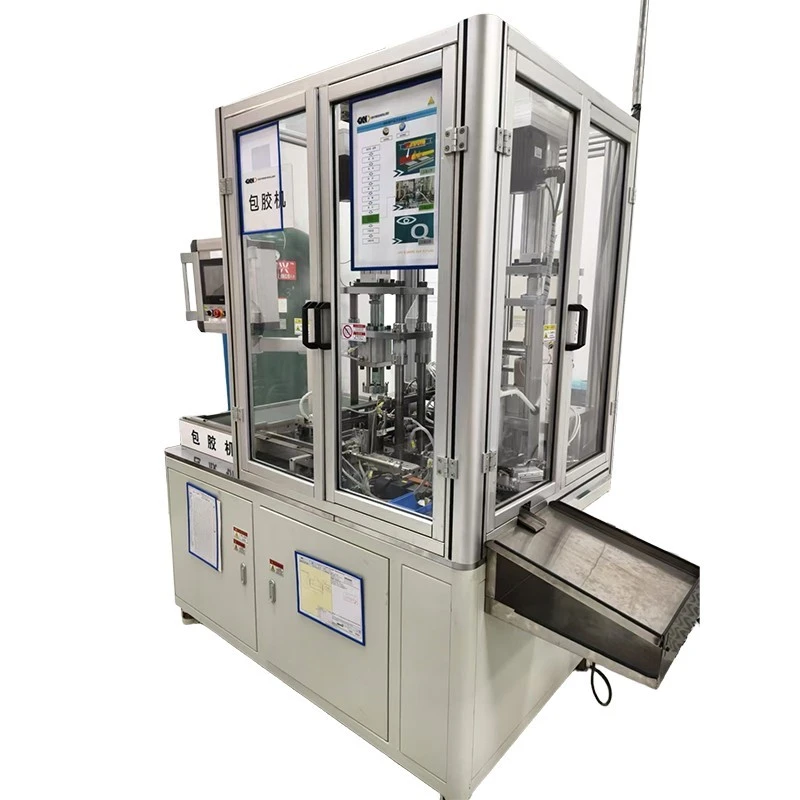
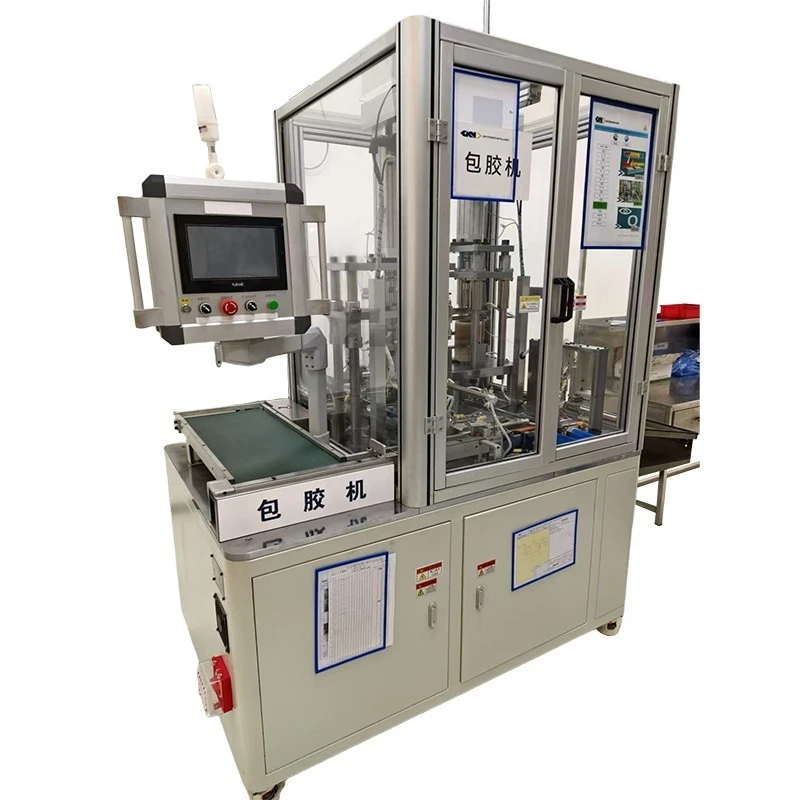
Fully Automatic Piston Banding Machine
XIAYI Fully Automatic Piston Banding Machine is designed for automated PTFE banding of powder metallurgy pistons used in automotive and motorcycle hydraulic shock absorbers. The machine integrates piston feeding, PTFE disc placement, electromagnetic hot pressing, circulating water cooling, deburring, flaring, waste removal, and defective-part separation into one continuous process.
The Fully Automatic Piston Banding Machine XYBJ-035XA(N) is specifically engineered for PTFE ring banding on powder metallurgy shock absorber pistons. It combines automatic piston feeding, PTFE disc pickup, electromagnetic hot pressing, circulating water cooling, deburring, flaring, waste removal, defective-part separation, and finished-part discharge.
With a production capacity of ≥300 pieces per hour, PLC-based control, touchscreen operation, adjustable process parameters, and configurable tooling, the machine is designed for continuous mass production while reducing manual handling between individual process stages.
XIAYI has established a quality management system compliant with IATF 16949:2016, supporting controlled manufacturing processes for automotive-related equipment and components.
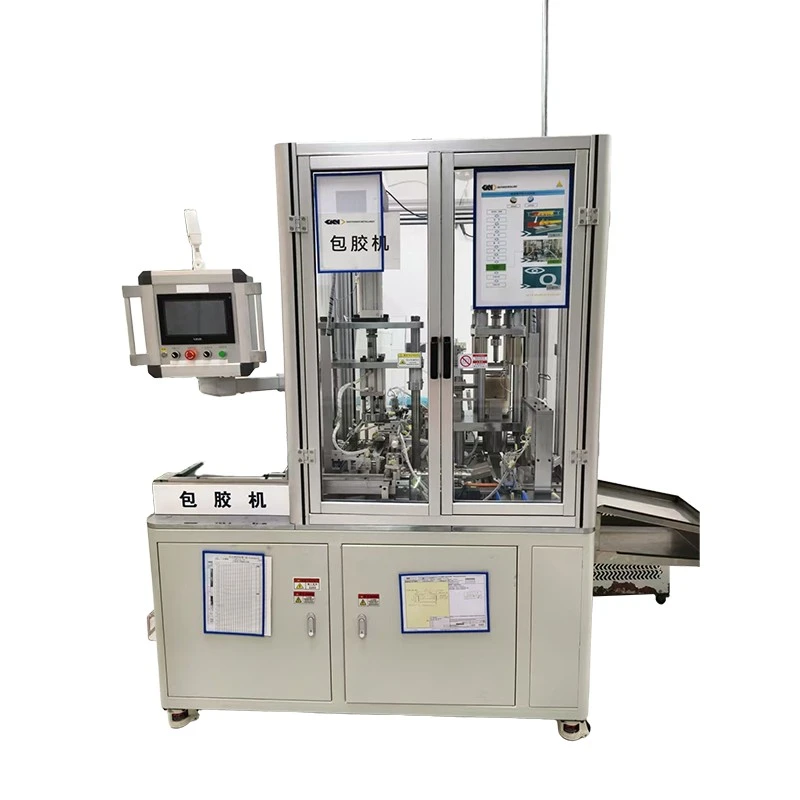
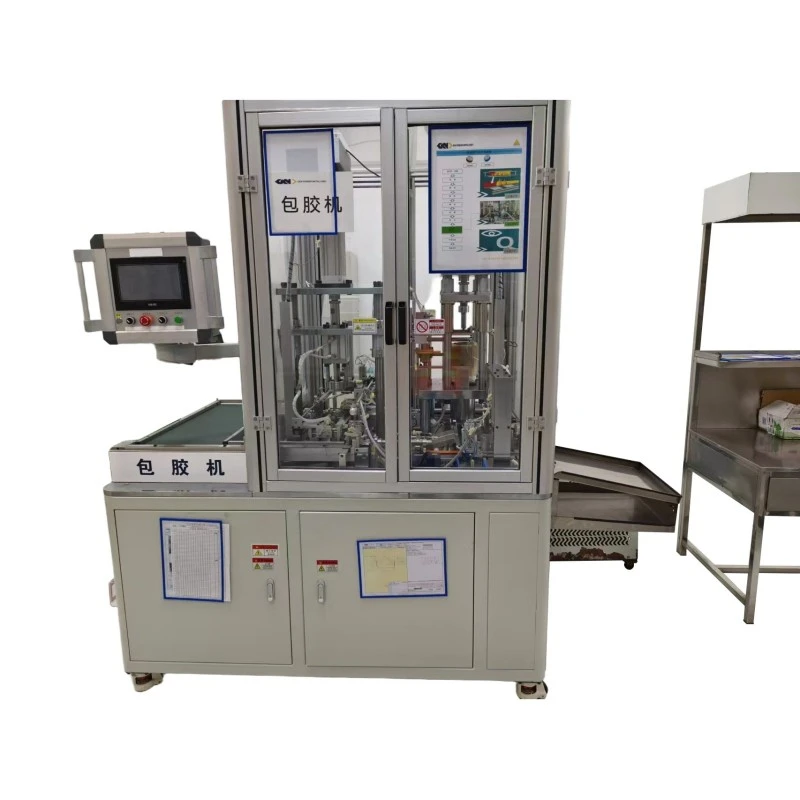
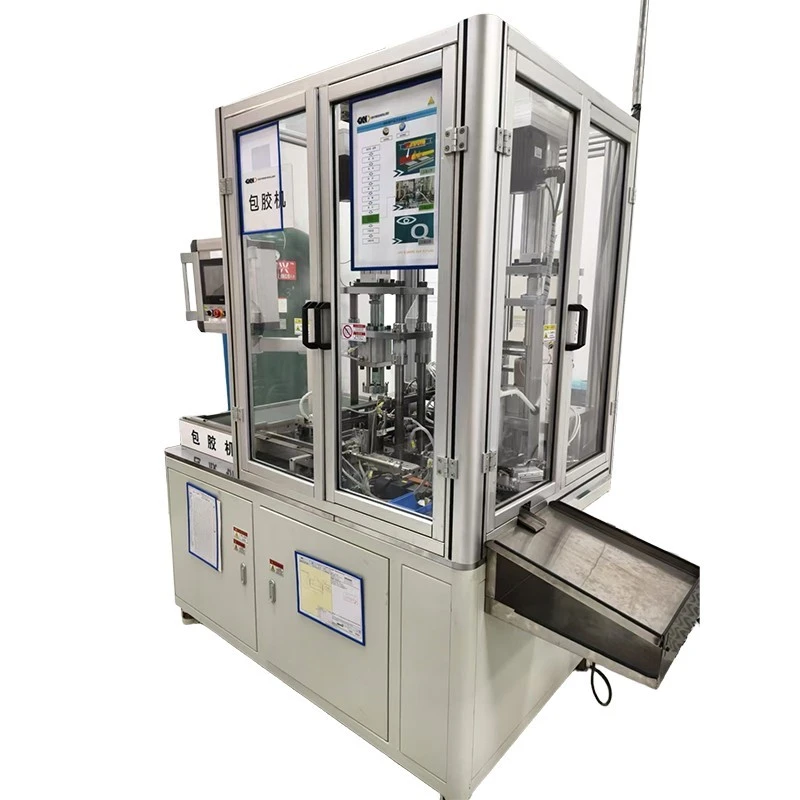
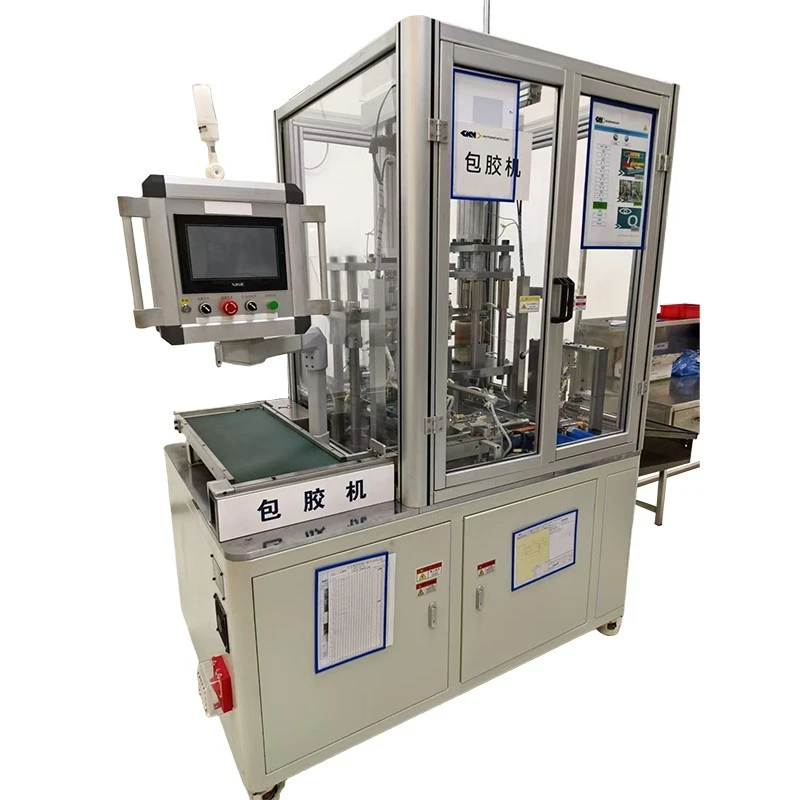
Production Process Integration
Automated Material Feeding
The piston is first transferred from the feeding tray to the processing position. A vacuum system picks up the PTFE disc and places it accurately before the pressing operation begins.
Integrated Banding and Forming
The piston and PTFE material then enter the electromagnetic heating station, where controlled pressure and temperature are applied for bonding. After hot pressing, the workpiece moves directly into the circulating water cooling station.
Finishing and Part Discharge
After cooling, the piston proceeds to deburring and flaring. Excess material is removed, the PTFE edge is formed, and trimming waste is blown away with compressed air. The final stage separates qualified and suspicious parts when an abnormal machine condition occurs, followed by automatic discharge of finished pistons.
This integrated arrangement reduces intermediate handling and makes the complete PTFE banding cycle easier to manage within a single production line.
Process Control
PLC and Touchscreen Operation
The Fully Automatic Piston Banding Machine uses a Xinje PLC and TouchWin touchscreen HMI to coordinate the individual processing stages.
Operators can configure key parameters including pressing pressure, heating time, cooling time, movement speed, and other process settings through the touchscreen interface. Manual and automatic operating modes are available for production setup, testing, and normal operation.
Heating and Cooling Parameters
The temperature control system combines electromagnetic heating with an independent circulating water cooling circuit. The heating temperature range is 0–400°C, while the recommended mold temperature is 200–320°C. The minimum cooling water flow rate is ≥2.5 L/min.
Alarm and I/O Monitoring
An integrated I/O monitoring function allows technicians to observe machine signals during commissioning and troubleshooting. Alarm history is also retained, providing useful information when investigating temperature abnormalities, sensor signals, pneumatic issues, or other equipment interruptions.
Tooling and Product Changeover
Replaceable Tooling
Different shock absorber piston dimensions may require different forming and positioning conditions. For this reason, the equipment uses replaceable tooling rather than relying on one fixed configuration.
The tooling system can include disc pressing molds, conical dies, banding molds, PTFE disc sleeves, deburring locating fixtures, and other customized fixtures according to the piston design.
Model Changeover
When switching between compatible piston models, the corresponding tooling set can be replaced and the required process parameters can be adjusted through the HMI. Process recipes can also be saved and recalled, helping production personnel reduce repeated parameter entry during model changes.
Configurable Process Modules
The deburring, flaring, and PTFE disc feeding functions can be configured according to the production requirement, providing greater flexibility when the machine is integrated into different piston manufacturing processes.
Heating and Cooling Arrangement
Electromagnetic Heating
Electromagnetic heating provides controlled heat to the banding mold during the pressing cycle. This allows the machine to apply the required thermal conditions during the PTFE bonding stage.
Circulating Water Cooling
After the bonding stage is completed, the workpiece enters an independent circulating water cooling system for rapid temperature reduction.
PTFE Forming Stability
The cooling process helps stabilize the PTFE material after hot pressing and supports consistent forming before subsequent trimming operations. The recommended mold temperature range of 200–320°C provides a practical process reference, while actual parameters can be adjusted according to PTFE material, piston design, tooling configuration, and production requirements.
Automation and Part Handling
Piston Feeding
The feeding tray and conveyor system move shock absorber pistons into the processing area. Optional piston flipping can be incorporated into the feeding sequence.
PTFE Disc Transfer
A built-in vacuum generator handles PTFE disc pickup and transfer, while photoelectric sensors and proximity switches monitor the position of components throughout the process.
Waste Removal and Discharge
After banding and forming, compressed air removes trimming chips from the working area. Finished components are then discharged automatically.
This arrangement helps reduce repetitive manual handling and keeps the piston moving through the defined processing sequence.
Fault Handling and Traceability
Abnormal Condition Monitoring
For high-volume piston production, preventing a machine abnormality from generating a large quantity of questionable parts is an important consideration.
The control system includes alarm logic for abnormal operating conditions such as temperature deviations. When the machine stops because of an abnormal condition, suspicious workpieces can be separated from qualified products according to the programmed sequence.
Alarm History
Alarm history is stored in the control system so maintenance personnel can review previous machine events. Together with I/O monitoring, this provides a practical reference for troubleshooting and preventive inspection.
Production Protection
The machine is also designed to stop under specified fault conditions rather than continuing production without process control, helping limit the potential impact of equipment abnormalities on subsequent piston batches.
Main Technical Specifications
| Item | Specification |
| Model | XYBJ-035XA(N) |
| Overall Dimension (L × W × H) | 1600 × 1050 × 2200 mm |
| Machine Weight | 700 kg |
| Rated Voltage / Frequency | 220V / 50Hz |
| Max. Power Consumption | 4500 W |
| Working Air Pressure | 0.5–1 MPa |
| Recommended Air Pressure | 0.5–0.7 MPa |
| Heating Method | Electromagnetic heating |
| Heating Temperature Range | 0–400°C |
| Recommended Mold Temperature | 200–320°C |
| Cooling Method | Circulating water cooling |
| Min. Cooling Water Flow Rate | ≥2.5 L/min |
| Production Capacity | ≥300 pieces/hour |
| Control System | Xinje PLC + TouchWin HMI touchscreen |
| Air Inlet Pipe | Φ10 |
| Cooling Water Pipe | Φ8 |
Core Components
Control and Pneumatic System
The control section uses a Xinje XC3-60T-E PLC with extension modules together with a TouchWin touchscreen HMI. The PLC coordinates material handling, heating, cooling, pressing, trimming, sensing, alarms, and other automated actions.
The pneumatic system uses AIRTAC cylinders, solenoid valves, filter regulator units, a vacuum generator, and a vacuum pressure gauge. The system includes 33 sets of solenoid valves for controlling the relevant pneumatic movements.
Pressing and Drive System
The pressing system uses a servo electric press cylinder with a maximum pressing force of 15 kN. Multiple adjustable-speed motors are used for the feeding trays and conveyor mechanisms.
Temperature and Cooling System
The temperature system consists of a ceramic heating ring, PTC heating sheet, and independent circulating water cooling assembly.
Sensors and Tooling
Proximity switches and photoelectric sensors provide position and process monitoring.
Tooling is customized according to piston dimensions and can include banding molds, disc pressing molds, conical dies, PTFE disc sleeves, and deburring locating fixtures.
Production Applications
Automotive Shock Absorber Pistons
The Fully Automatic Piston Banding Machine is designed for manufacturers working with powder metallurgy pistons used in hydraulic shock absorbers.
Motorcycle Shock Absorber Components
The equipment is also suitable for motorcycle shock absorber component manufacturing where PTFE-banded powder metallurgy pistons are required.
Multi-Model Production
The machine can accommodate different piston specifications by changing the relevant tooling fixtures and adjusting the corresponding process parameters. This makes it suitable for manufacturers producing multiple piston variants rather than a single fixed product.
For companies bringing piston banding processes in-house, the integrated structure also provides a way to connect PTFE banding with the upstream and downstream stages of an automated manufacturing workflow.
Installation and Maintenance
Daily Inspection
Before daily startup, operators should check the working air pressure and inspect pneumatic pipes for leakage. Linear guides and linear bearings should be lubricated approximately every three days according to operating conditions.
Mechanical Inspection
Motors should be checked for abnormal noise, while dust and grease should be removed from motor surfaces regularly. Screws, bolts, and other fastening points should be inspected and tightened on a monthly basis.
Alarm Review
Alarm records should also be reviewed periodically. Repeated alarms or abnormal signals can provide an early indication that a sensor, pneumatic component, drive unit, or other machine component requires inspection.
Installation and Technical Support
Installation and Commissioning
XIAYI provides installation and commissioning support after delivery.
Operator Training
Operator training can cover machine operation, parameter setting, fault diagnosis, and routine maintenance procedures.
Warranty and Spare Parts
The equipment is supplied with a 12-month warranty from the acceptance date. XIAYI also provides lifelong spare parts supply and technical consultation support.
For customers operating the Fully Automatic Piston Banding Machine in continuous production, technical support can cover equipment operation, parameter adjustment, troubleshooting, tooling configuration, and routine maintenance.
With an IATF 16949:2016-compliant quality management system, XIAYI focuses on controlled manufacturing and quality management for equipment serving automotive-related production applications.
Frequently Asked Questions
What is this machine designed to process?
The machine is designed for automatic PTFE banding on powder metallurgy pistons used in automotive and motorcycle hydraulic shock absorbers. It combines PTFE placement, hot pressing, cooling, deburring, flaring, and part handling within one automated system.
What production capacity can the machine achieve?
The rated production capacity is ≥300 pieces per hour. Actual output may vary depending on piston dimensions, PTFE material, tooling configuration, process parameters, and production conditions.
How is the PTFE band bonded to the piston?
The process uses electromagnetic heating together with controlled pressing. After hot pressing, the piston enters a circulating water cooling station to rapidly stabilize the bonded PTFE material.
What temperature range can be configured?
The electromagnetic heating system has a temperature range of 0–400°C. A recommended mold temperature range of 200–320°C is provided as a process reference, while final settings should be established according to the specific PTFE material and piston design.
Can different piston models be produced?
Yes. The machine supports multiple piston specifications through replaceable tooling. The corresponding molds and fixtures can be changed according to piston dimensions, while process parameters can be saved and recalled through the HMI.
Can operators adjust the production parameters?
Yes. The PLC and touchscreen HMI allow operators to adjust parameters such as pressing pressure, heating time, cooling time, and movement speed. Manual and automatic operating modes are also available.
How does the machine handle abnormal production conditions?
The control system monitors process signals and provides alarms for specified abnormal conditions, including temperature-related issues. When the machine stops because of an abnormal event, suspicious parts can be separated to reduce the possibility of mixing potentially defective products with qualified parts.
What type of compressed air does the machine require?
The specified working air pressure is 0.5–1 MPa, with 0.5–0.7 MPa recommended for normal operation. The machine uses a Φ10 air inlet pipe.
What cooling water supply is required?
The cooling system uses circulating water, with a minimum required flow rate of ≥2.5 L/min. The specified cooling water pipe size is Φ8.
Is installation and operator training available?
Yes. XIAYI provides installation and commissioning support after delivery, together with operator training covering machine operation, parameter setup, fault diagnosis, and routine maintenance.
Hot Tags: Fully Automatic Piston Banding Machine, China, Manufacturer, Supplier, Factory
Related Category
Send Inquiry
Contact Info
-
Address
No.209 Lane 520 Tongning Rd,Qianjiang Street,Jiangbei District, Ningbo City, Zhejiang Province, China
-
Tel
-
Email
Get a Tailored Quote for Your Shock Absorber Parts
Why Global Buyers Choose Ningbo Xiayi:
✓ IATF 16949 Certified — Defect rate strictly controlled below 0.1%.
✓ Full-Category Supply — Pistons, rods, springs, stampings & rubber parts.
✓ R&D Support — Custom powder metallurgy formulas & 7-10 day rapid prototyping.
✓ Proven Capacity — 50 million core pistons produced annually for global OEMs.
Ready to start? Complete the form below and our engineering team will respond within 24 hours with a custom recommendation.