- Home
- About Us
- Products
- News
- Download
- Send Inquiry
- Contact Us

Products
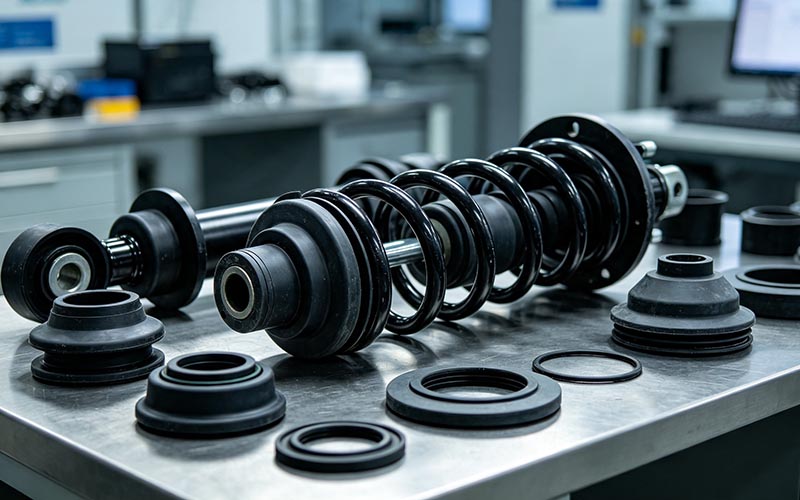
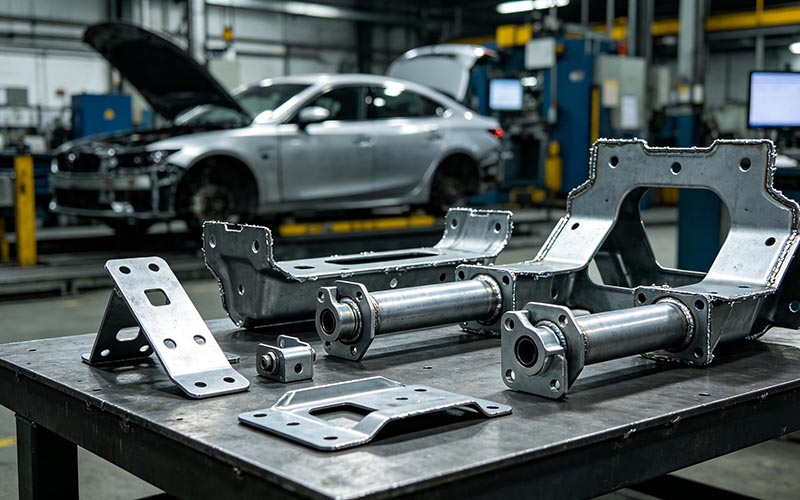
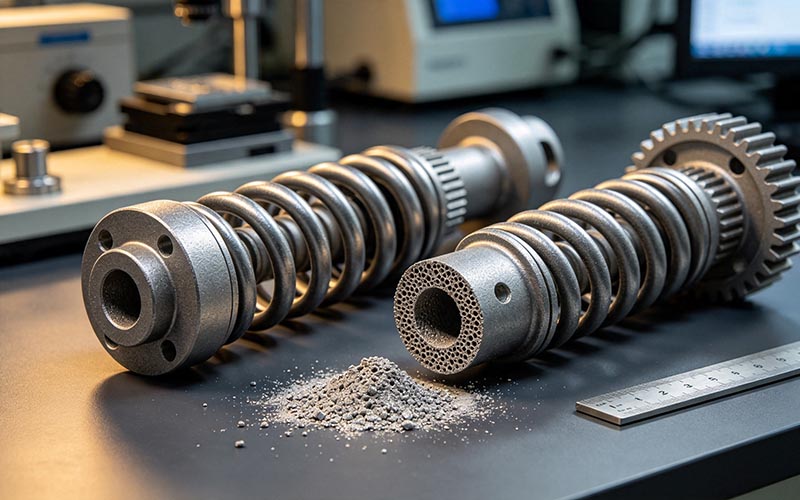
We supply full-category shock absorber components, including pistons, stampings, rubber seals, piston rods, springs, and self-developed banding/grooving machines.
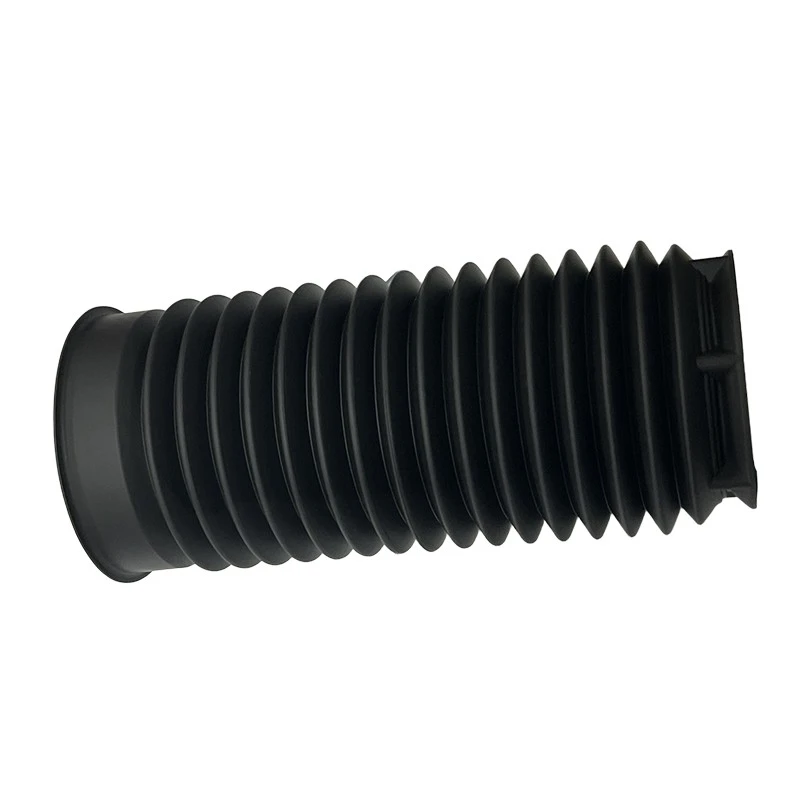
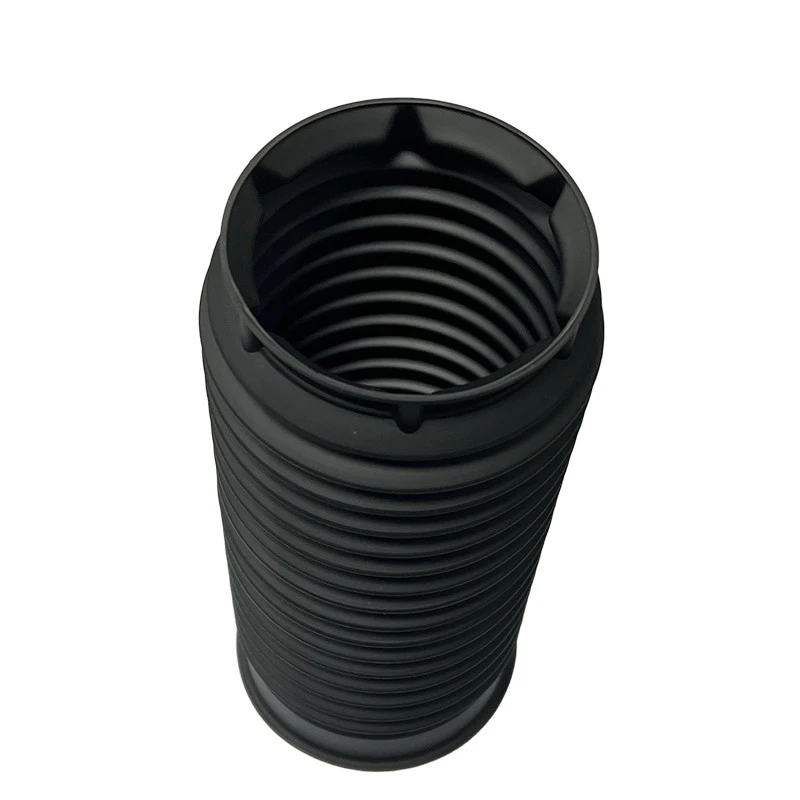
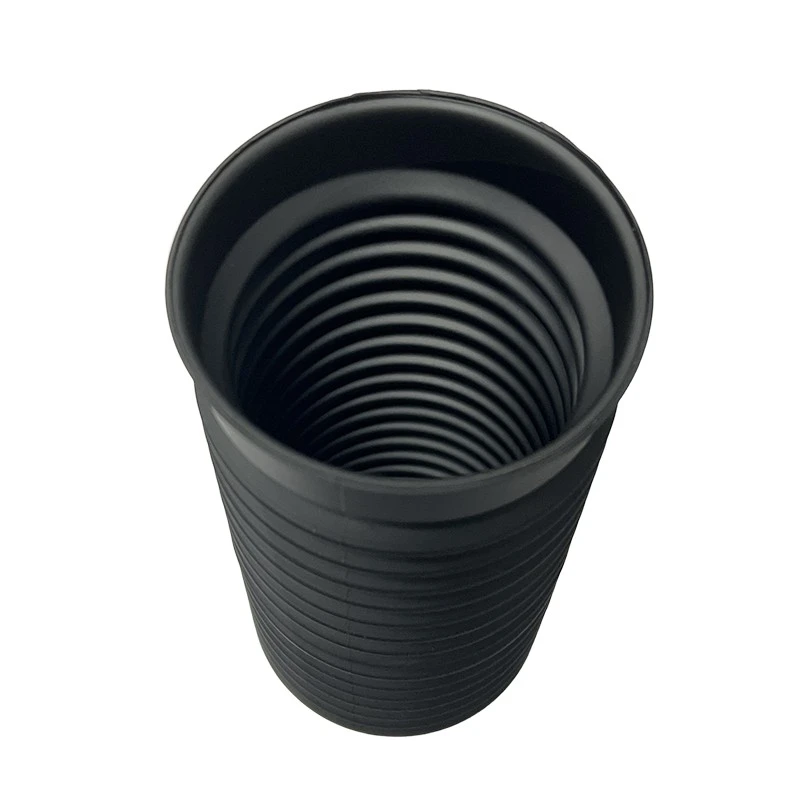
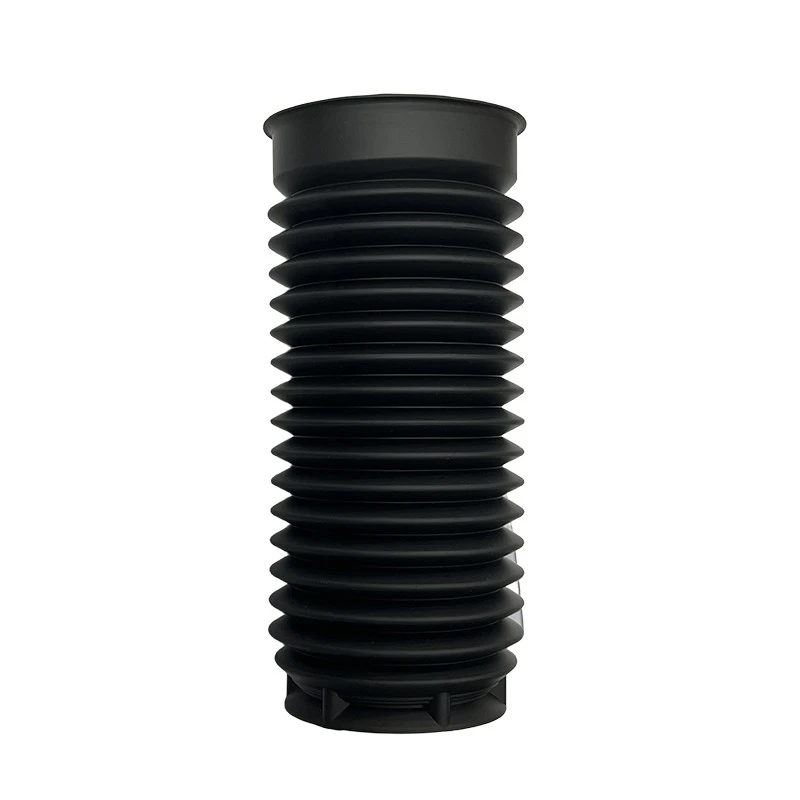
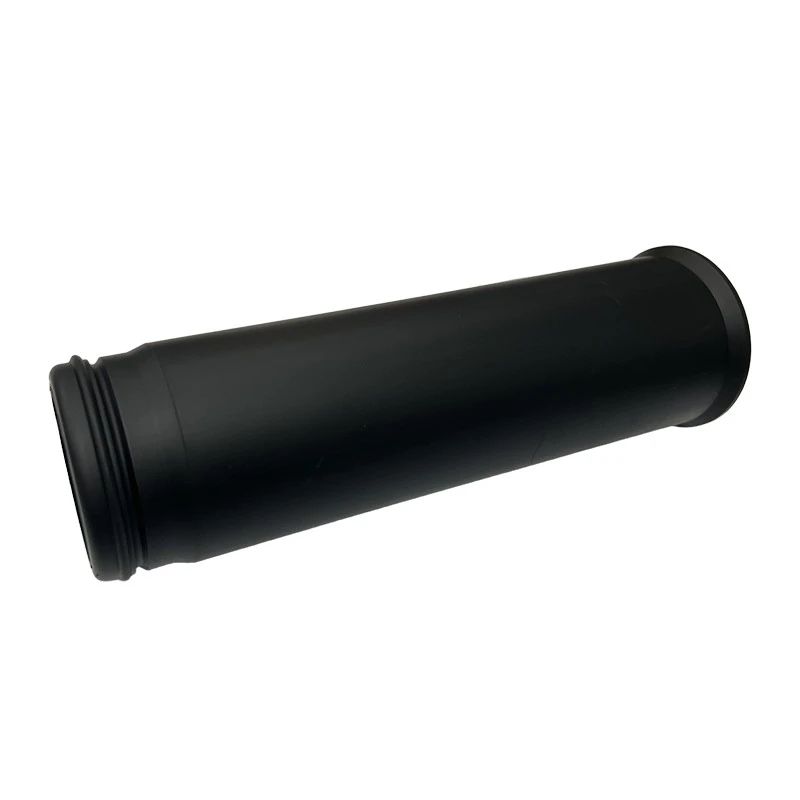
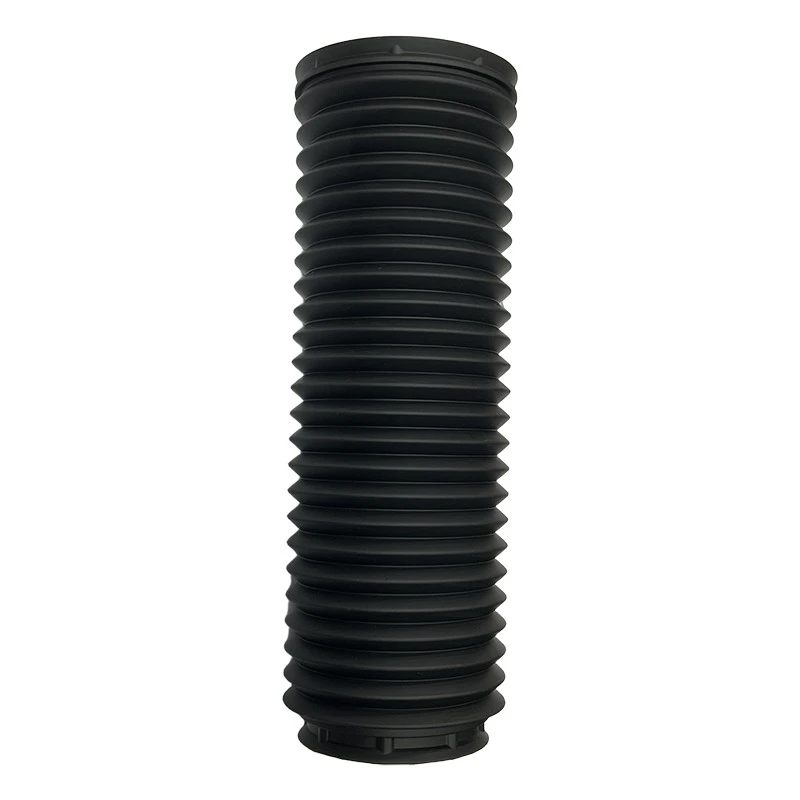
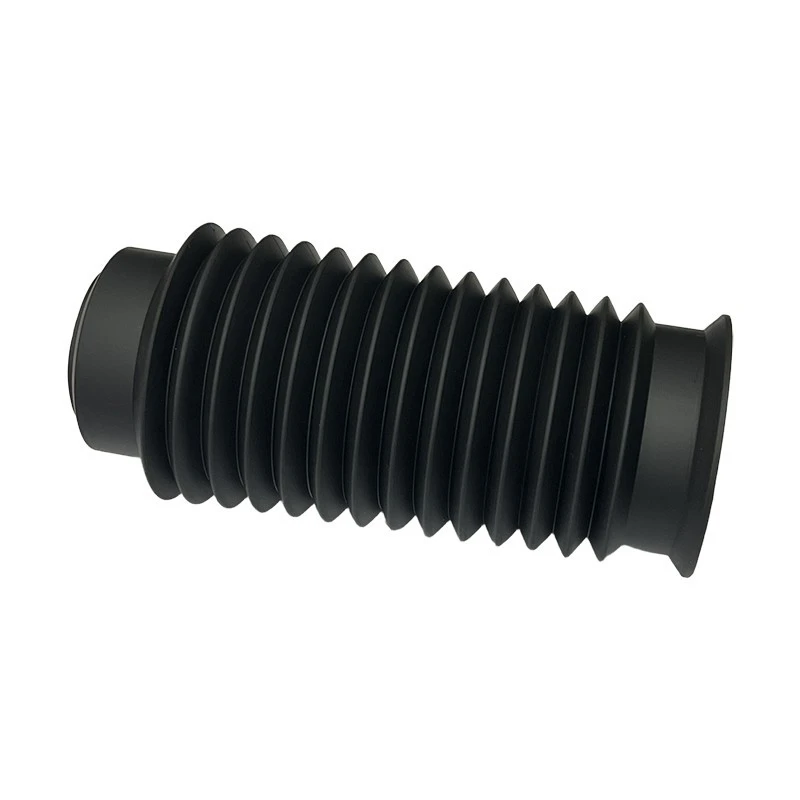
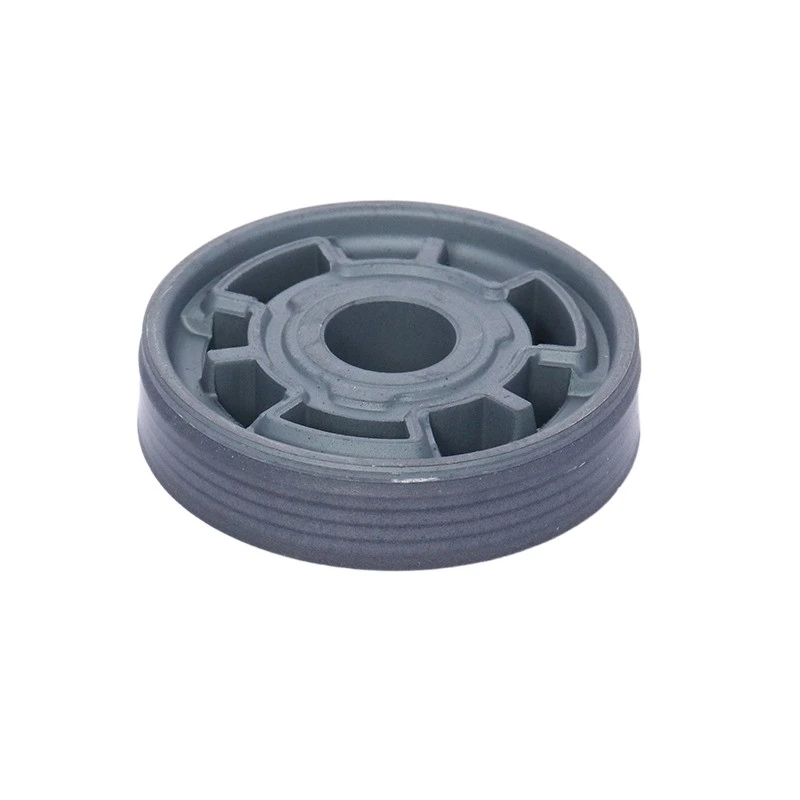
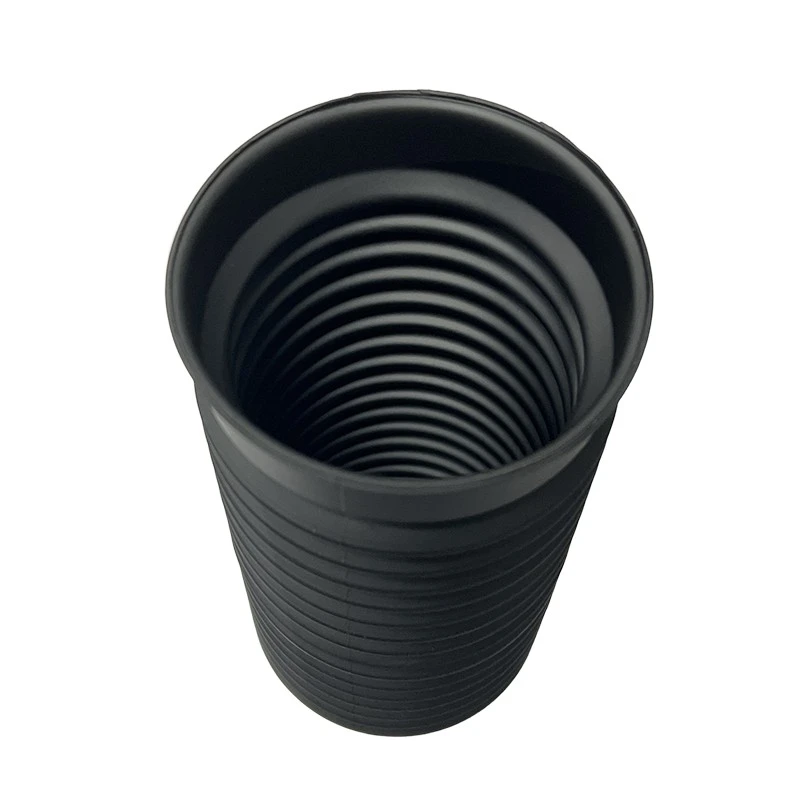
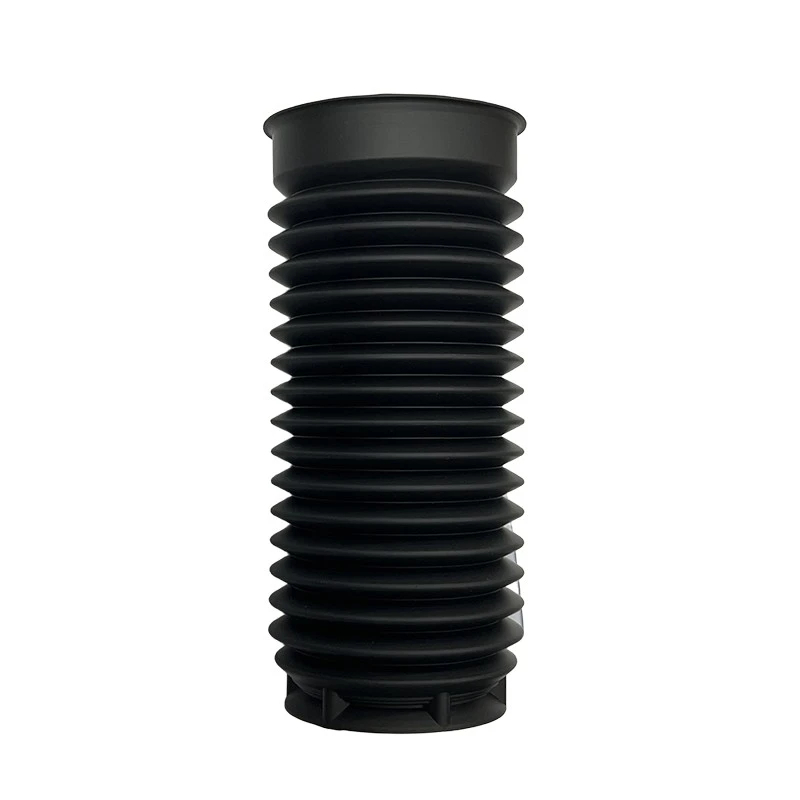
Crack-Resistant Aging-Resistant TPE Dust Boot
XIAYI Crack-Resistant Aging-Resistant TPE Dust Boot is developed for customers who require stable material performance under long-term temperature changes and outdoor exposure. Instead of relying only on structural protection, XIAYI focuses on TPE compound engineering to improve low-temperature flexibility, UV resistance, ozone resistance and long-term elastic recovery.
The Crack-Resistant Aging-Resistant TPE Dust Boot is designed to reduce cracking, hardening and performance degradation caused by cold weather, sunlight and continuous fatigue. Produced in a standardized factory in China under an IATF 16949:2016 quality management system, the product provides automotive and machinery customers with a more consistent and durable protective component. As an experienced manufacturer and supplier, XIAYI also supports material, hardness and dimensional customization for different operating environments.
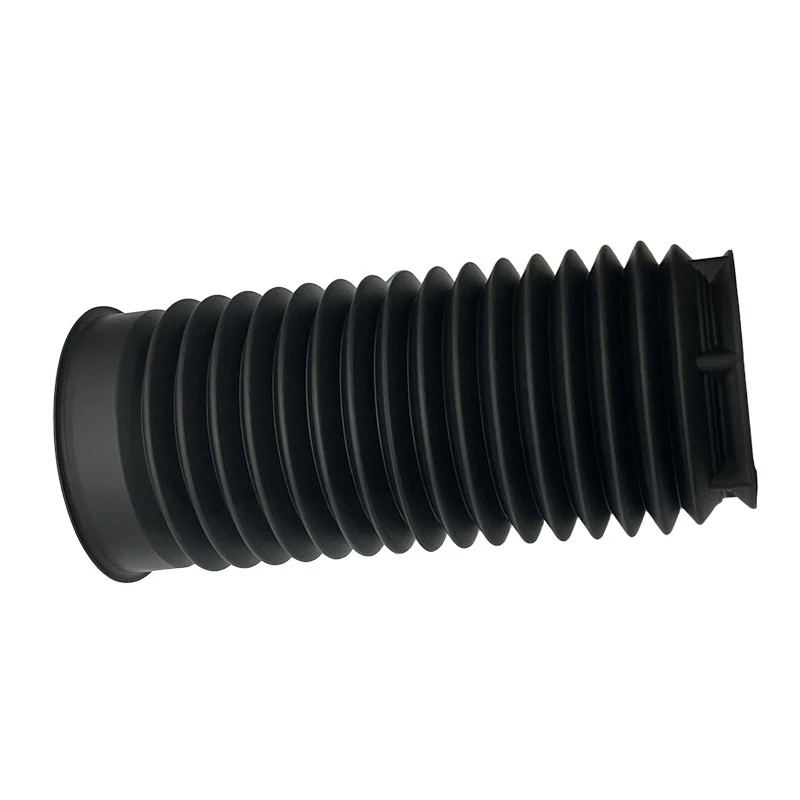
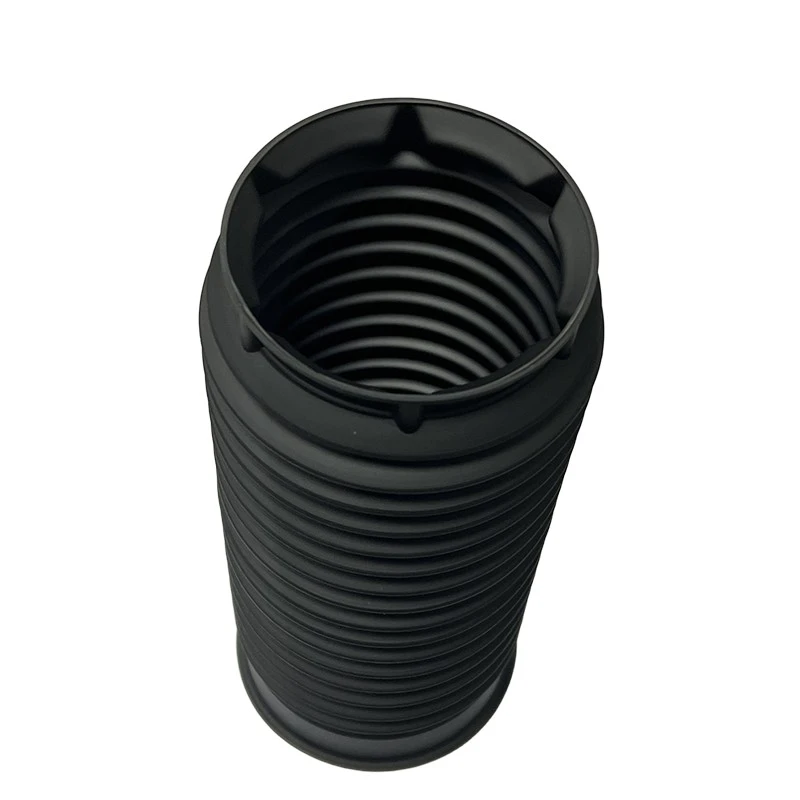
Material Engineering Focused on Long-Term Reliability
The service life of a Crack-Resistant Aging-Resistant TPE Dust Boot is not determined by its initial flexibility alone. During prolonged outdoor operation, repeated temperature changes, ultraviolet exposure and ozone oxidation gradually affect the polymer structure. The material may become harder, lose elasticity and eventually develop surface cracks.
XIAYI addresses these problems through a modified high-elastic TPE formulation. Toughening components improve low-temperature flexibility, while anti-UV and anti-ozone additives help slow environmental aging. The resulting material maintains better elasticity and recovery after repeated compression, making it suitable for vehicles and equipment exposed to demanding climatic conditions.
The standard formulation supports an operating temperature range of -40°C to 105°C, providing a wider environmental working window than many conventional PP/PE protective materials.
Understanding the Main Causes of Material Failure
Low-Temperature Embrittlement
In cold environments, conventional plastic materials can lose flexibility and become increasingly brittle. Repeated movement under these conditions may create small cracks that gradually develop into complete fractures.
The modified TPE formulation used by XIAYI is designed to retain flexibility at temperatures down to -40°C, helping reduce brittle failure during winter operation and cold-start conditions.
UV and Ozone Degradation
Long-term sunlight and atmospheric ozone can gradually oxidize polymer materials. Typical symptoms include surface hardening, discoloration, reduced elasticity and cracking.
XIAYI incorporates UV- and ozone-resistant components into the material formulation to slow this degradation process. This is particularly valuable for vehicles and machinery that remain outdoors for extended periods.
Elastic Fatigue After Repeated Movement
A protective component may experience thousands or millions of compression and recovery cycles during its service life. If the material cannot recover its original shape effectively, permanent deformation and localized stress can eventually occur.
The high-elastic TPE formulation is designed for repeated deformation, with the reference fatigue requirement reaching 1,000,000 cycles or more.
Material Performance Verification
For OEM and aftermarket buyers, material reliability is more meaningful than appearance alone. XIAYI evaluates the material and finished products through environmental and mechanical testing.
| Test Item | Reference Requirement | Main Purpose |
|---|---|---|
| Low-Temperature Performance | -40°C | Evaluate flexibility and cracking resistance |
| Operating Temperature | -40°C to 105°C | Verify temperature adaptability |
| Fatigue Resilience | ≥1,000,000 cycles | Evaluate long-term elastic recovery |
| Inner Diameter Tolerance | ±0.1 mm | Maintain dimensional consistency |
| Wall Thickness Variation | ≤10% | Reduce local stress concentration |
| Ozone Resistance | Tested by production requirement | Evaluate aging resistance |
| UV Aging | Tested by production requirement | Evaluate outdoor durability |
From Material Formula to Production Consistency
A high-performance TPE formulation alone is not enough for stable mass production. Excessive moisture, unstable molding temperatures or uneven cooling can affect hardness, elasticity and dimensional accuracy.
Controlled Raw Material Preparation
XIAYI conducts incoming inspection of TPE materials before production, including material grade, hardness and basic mechanical properties. Controlled dehumidification is used to reduce moisture-related molding defects and improve batch consistency.
Stable Injection Molding
The material is processed through controlled injection molding with multi-zone temperature management. Stable molding conditions help reduce variations in wall thickness and prevent weak areas caused by incomplete filling or excessive thermal stress.
Cooling and Dimensional Control
After molding, controlled cooling helps reduce residual stress and dimensional distortion. Finished products are inspected for critical dimensions, appearance and elastic recovery before shipment.
This process is implemented under XIAYI's IATF 16949:2016 quality management system, providing a more controlled production basis for customers requiring repeatable OEM supply.
Material Selection for Different Operating Environments
Different markets place different demands on TPE materials. Instead of using one generic formulation for every application, XIAYI can adjust material characteristics according to the customer's operating environment.
| Operating Environment | Main Material Requirement | Recommended Focus |
|---|---|---|
| Northern cold regions | Low-temperature flexibility | Anti-brittleness |
| High UV regions | Weather resistance | UV aging resistance |
| Coastal areas | Oxidation and environmental resistance | UV + ozone resistance |
| Construction sites | Fatigue and impact resistance | High-elastic formulation |
| Long-term outdoor use | Elastic retention | Comprehensive aging resistance |
Application Scenarios
Cold Climate Automotive Applications
Vehicles operating in northern regions may experience repeated exposure to sub-zero temperatures. The material's low-temperature flexibility helps reduce cracking and brittle failure during seasonal operation.
High-Temperature and Coastal Markets
Vehicles and equipment in coastal or subtropical areas face strong sunlight, high temperatures, humidity and salt-laden air. The anti-aging formulation is designed to maintain material integrity under prolonged outdoor exposure.
Construction and Industrial Equipment
Construction machinery often operates continuously outdoors and experiences repeated vibration, temperature changes and environmental exposure. The fatigue-resistant TPE formulation helps maintain elastic performance over extended operating periods.
Real Application Cases
Northern Frigid Region Vehicle Matching Case
An auto parts supporting enterprise in Northeast China had experienced repeated dust boot failures during winter. Local temperatures often dropped below -30°C, causing conventional plastic and TPE products to become brittle and crack under vibration. After adopting XIAYI Cracking & Brittle Aging Resistant TPE Dust Boot, the products maintained flexibility and structural integrity at temperatures down to -40°C. After two years of seasonal verification, no cracking or brittle damage occurred, while the dust-related shock absorber failure rate decreased by 85%.
Southern High-Temperature Coastal Vehicle Case
A coastal auto maintenance chain faced accelerated material aging caused by high temperature, strong ultraviolet radiation and salt fog. Conventional dust boots often hardened and cracked within 6--10 months. After switching to XIAYI's anti-aging TPE solution, the products maintained their structural integrity and protective performance after 20 months of market application, significantly reducing premature maintenance caused by material aging.
Engineering Machinery Harsh Working Condition Case
A domestic engineering machinery manufacturer uses XIAYI anti-cracking TPE dust boots for construction machinery shock absorber systems. The equipment operates outdoors under gravel impact, mud exposure and alternating temperatures. Traditional products required replacement every 3--4 months. After more than one year of continuous operation, XIAYI products showed no obvious cracking, deformation or aging failure, extending the accessory replacement cycle by more than three times.
Frequently Asked Questions
How does TPE formulation affect the service life of a dust boot?
The formulation determines important properties such as low-temperature flexibility, elastic recovery, UV resistance and ozone resistance. A properly modified TPE compound can maintain these properties for longer periods, reducing premature cracking and hardening caused by environmental exposure.
Can this material be used in extremely cold regions?
Yes. The standard formulation is designed for operating temperatures from -40°C to 105°C. Crack-Resistant Aging-Resistant TPE Dust Boot is particularly suitable for applications where conventional plastic materials become brittle during winter operation.
How does XIAYI control material consistency between batches?
XIAYI performs incoming material inspection, controlled drying, injection molding parameter management and finished-product inspection under an IATF 16949:2016 quality management system. These controls help maintain consistent hardness, dimensions and elastic properties for repeated OEM orders.
Can the TPE formulation be customized?
Yes. XIAYI supports OEM/ODM customization of material hardness, formulation characteristics and product dimensions. Customers can specify requirements based on climate, operating temperature, outdoor exposure and equipment conditions, allowing the material configuration to be optimized for the intended application.
What is the minimum order quantity for customized products?
MOQ depends on product dimensions, mold requirements and material formulation. XIAYI can first evaluate the customer's drawings or samples, recommend a suitable TPE formulation and confirm the production quantity before formal quotation.
Hot Tags: Crack-Resistant Aging-Resistant TPE Dust Boot, China, Manufacturer, Supplier, Factory
Send Inquiry
Contact Info
-
Address
No.209 Lane 520 Tongning Rd,Qianjiang Street,Jiangbei District, Ningbo City, Zhejiang Province, China
-
Tel
-
Email
Get a Tailored Quote for Your Shock Absorber Parts
Why Global Buyers Choose Ningbo Xiayi:
✓ IATF 16949 Certified — Defect rate strictly controlled below 0.1%.
✓ Full-Category Supply — Pistons, rods, springs, stampings & rubber parts.
✓ R&D Support — Custom powder metallurgy formulas & 7-10 day rapid prototyping.
✓ Proven Capacity — 50 million core pistons produced annually for global OEMs.
Ready to start? Complete the form below and our engineering team will respond within 24 hours with a custom recommendation.