- Home
- About Us
- Products
- News
- Download
- Send Inquiry
- Contact Us

Products
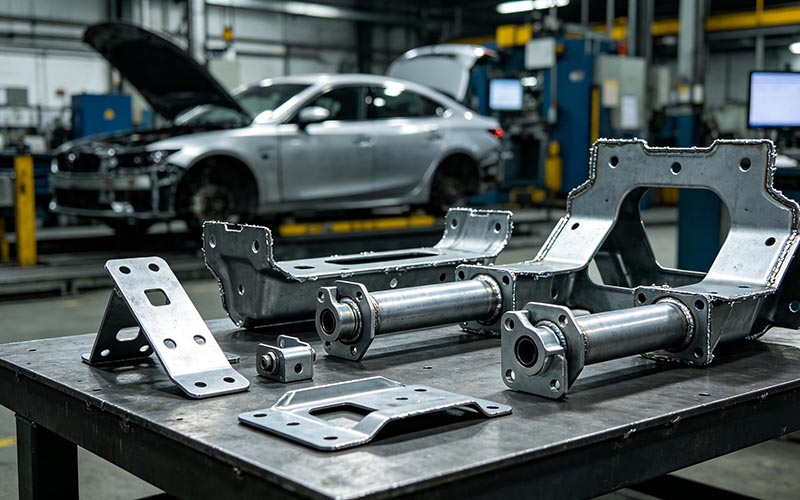
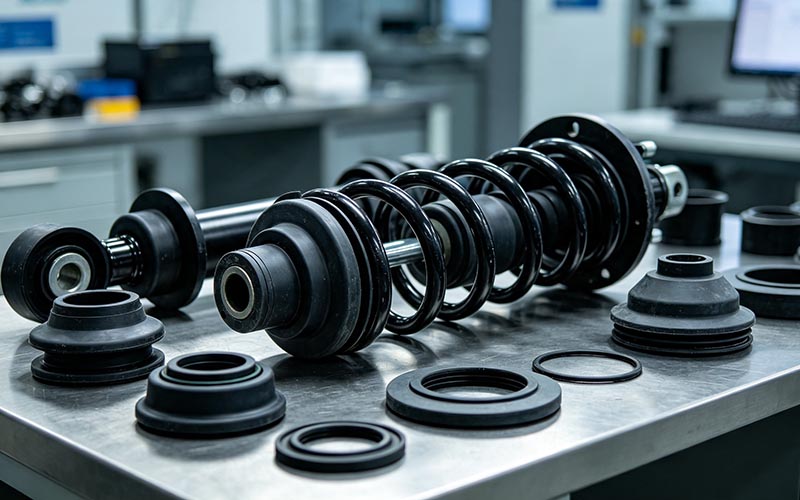
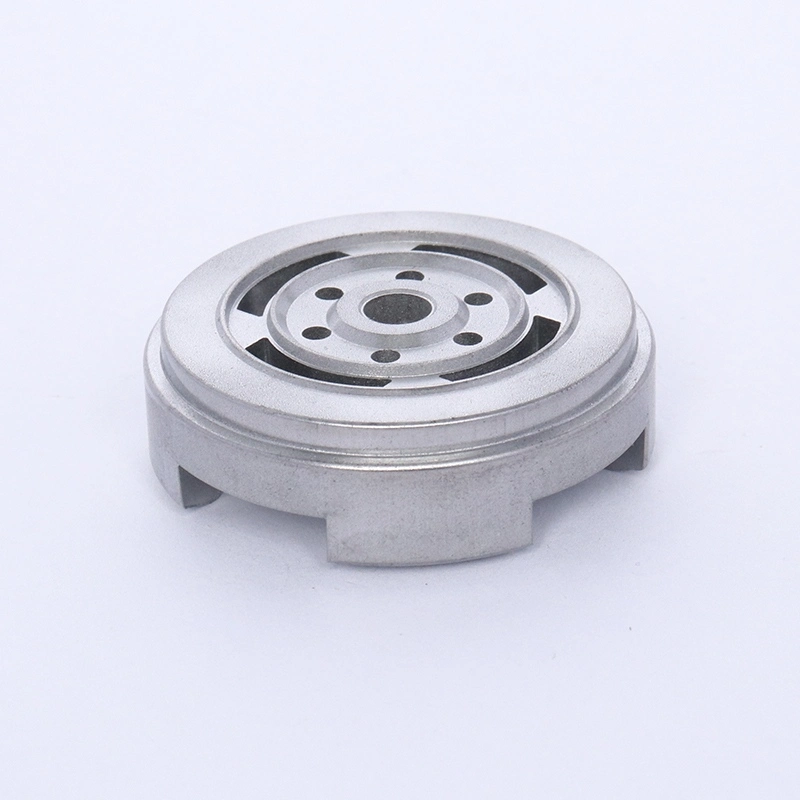
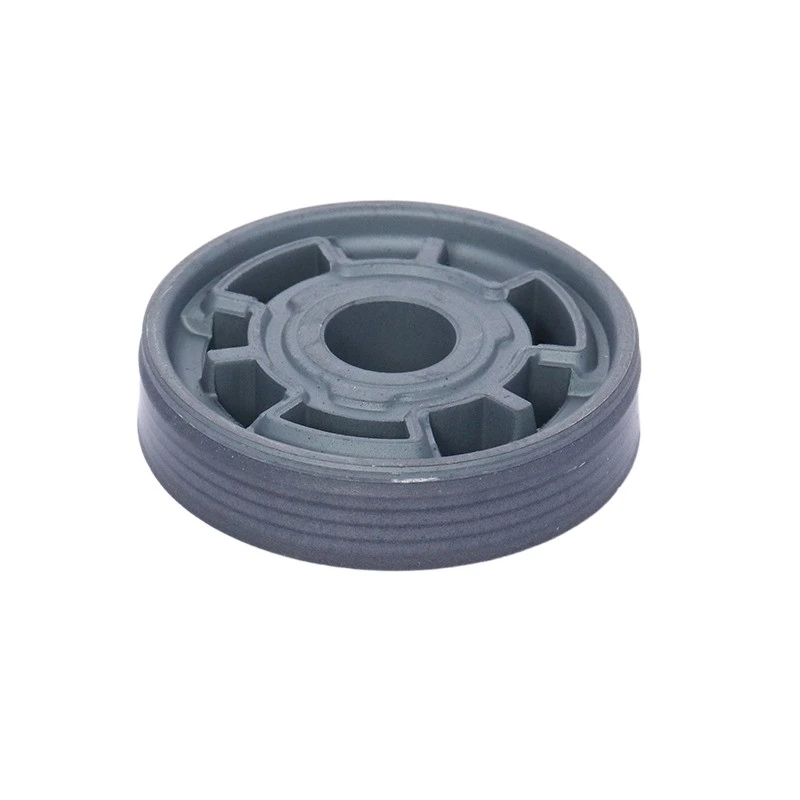
We supply full-category shock absorber components, including pistons, stampings, rubber seals, piston rods, springs, and self-developed banding/grooving machines.
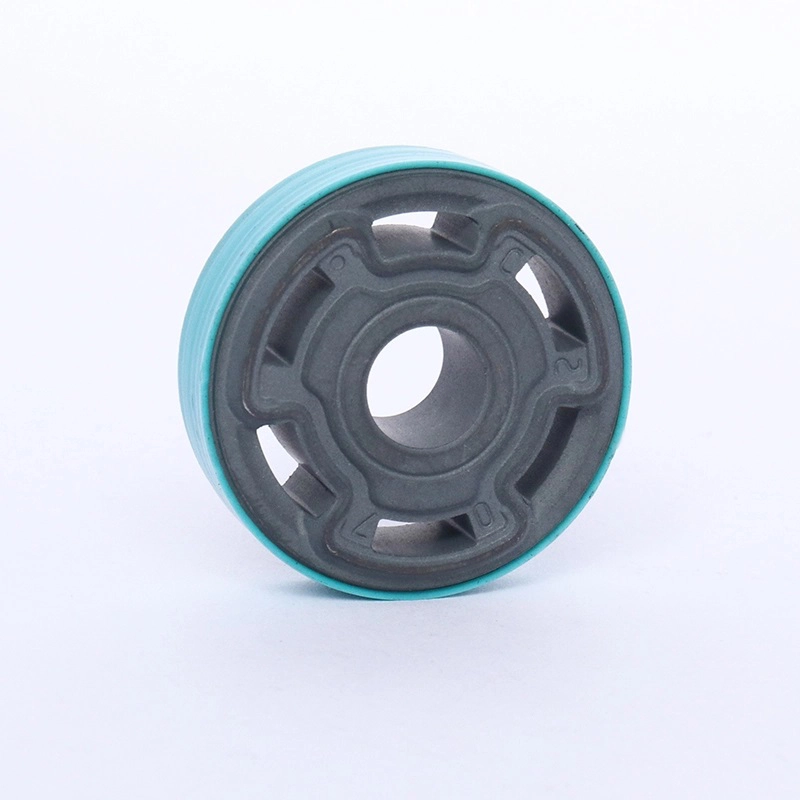
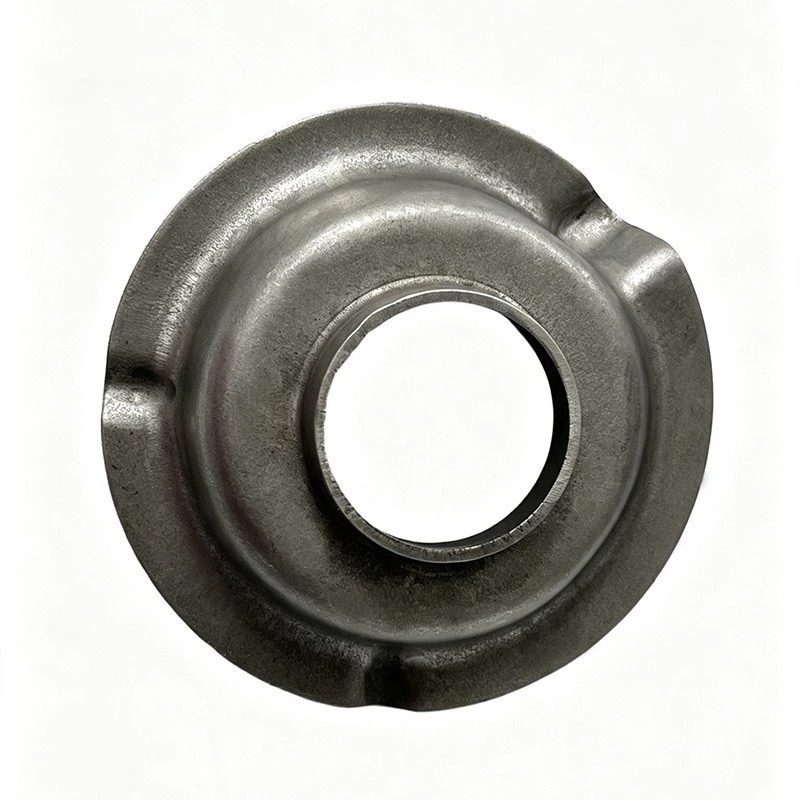
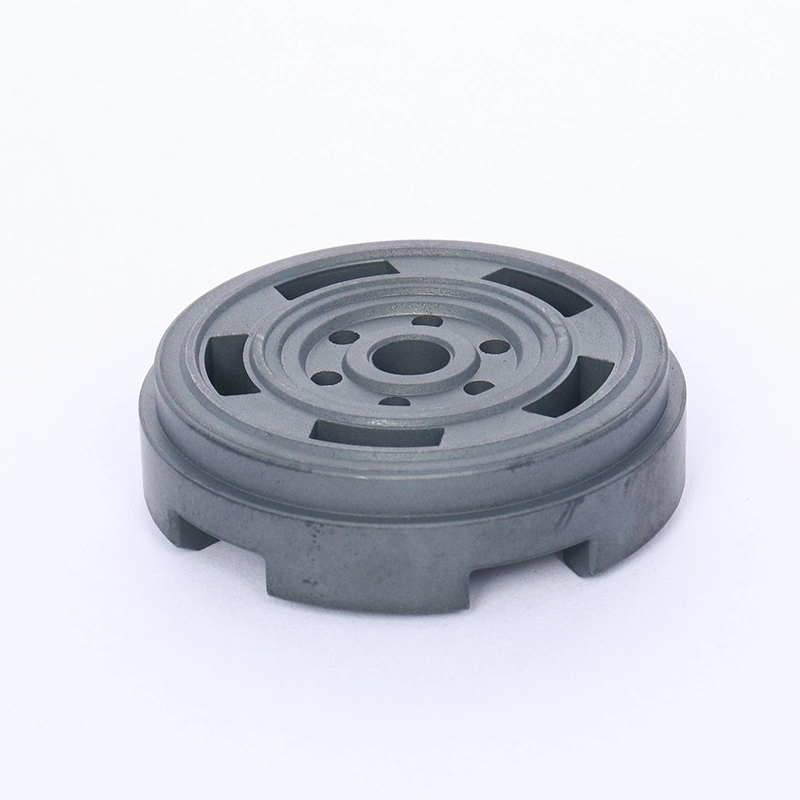
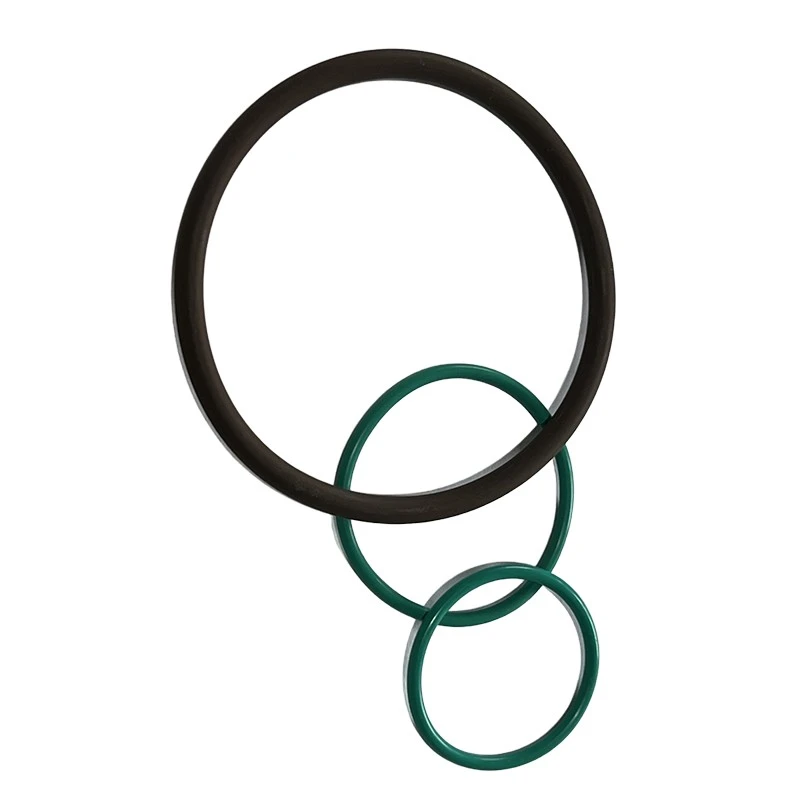
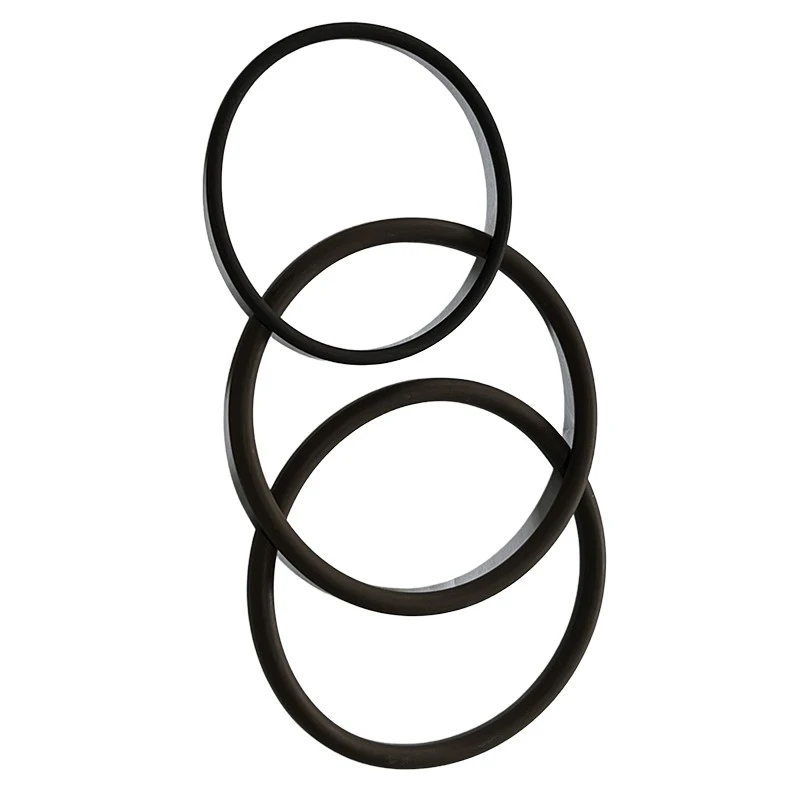
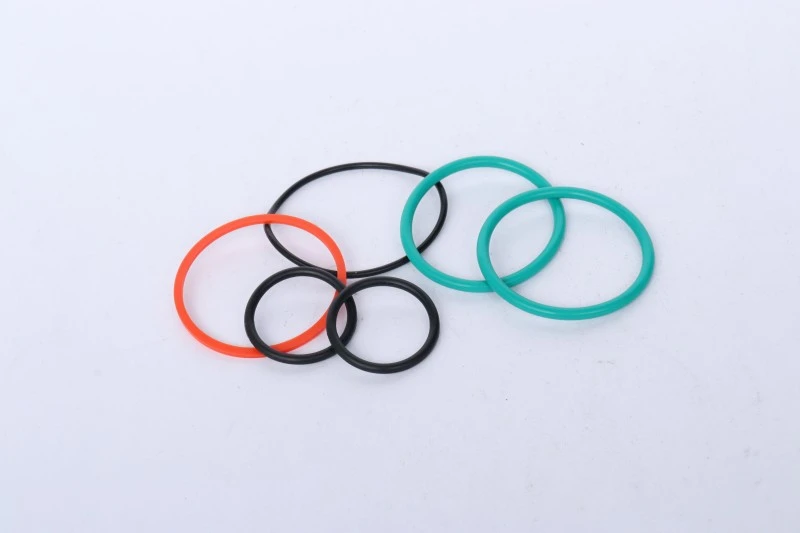
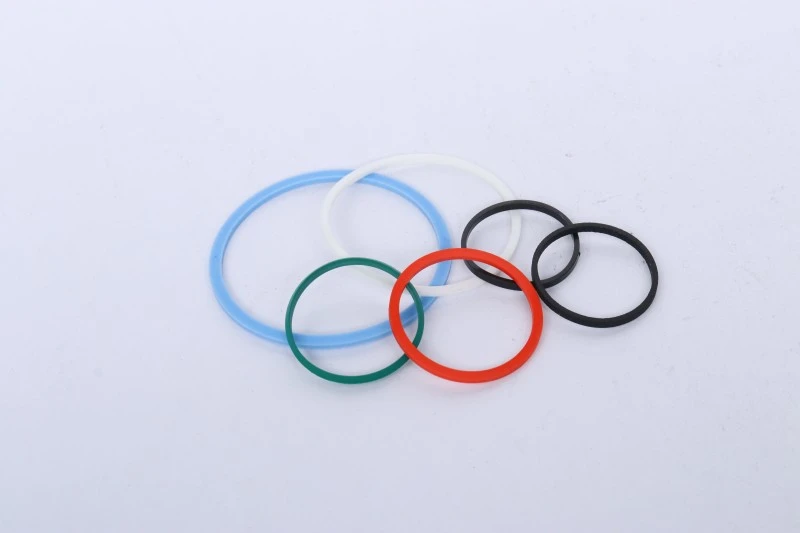
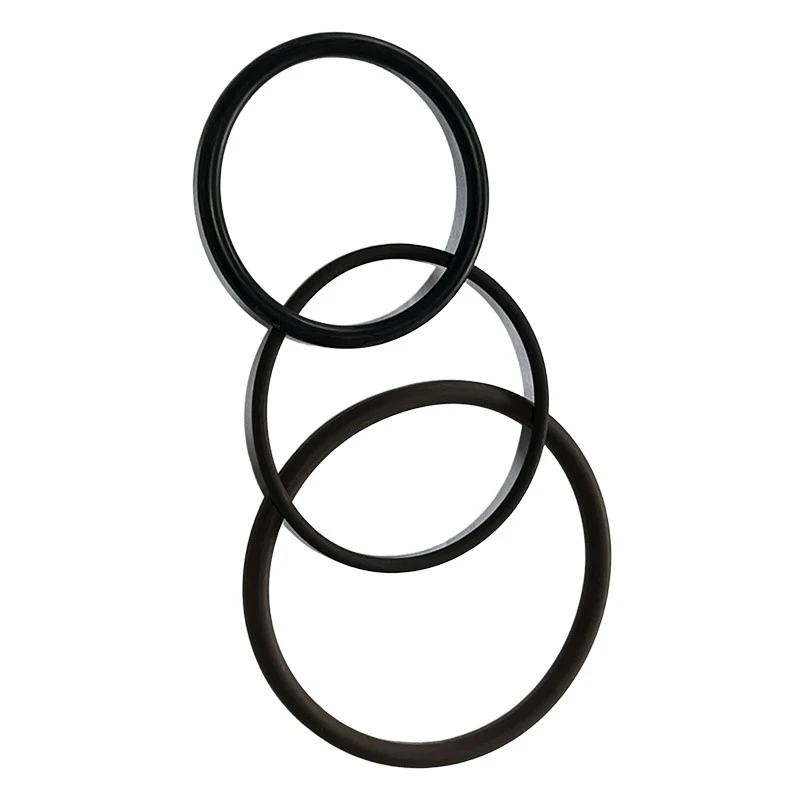
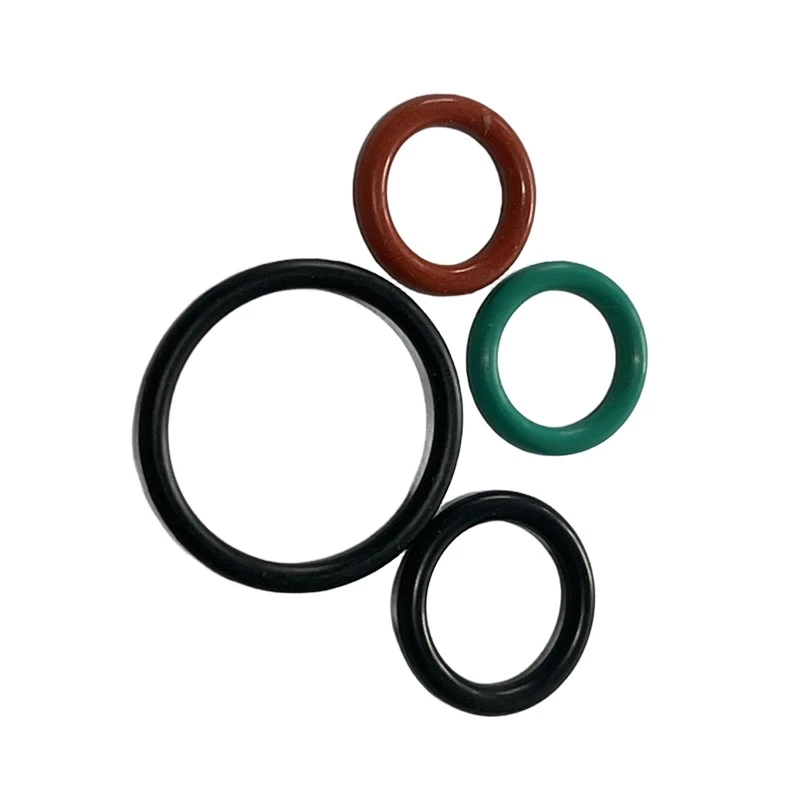
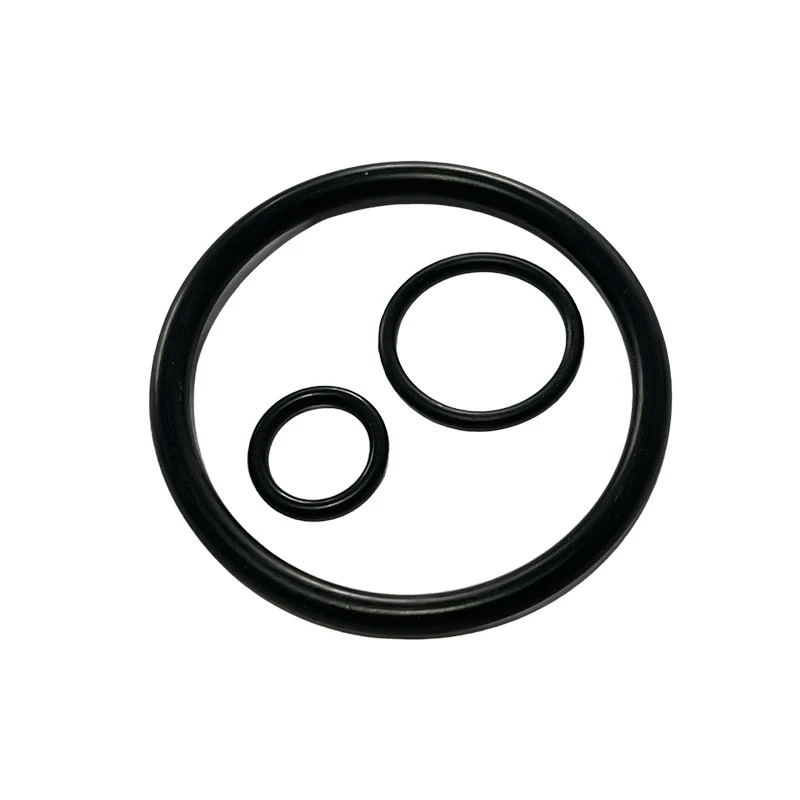
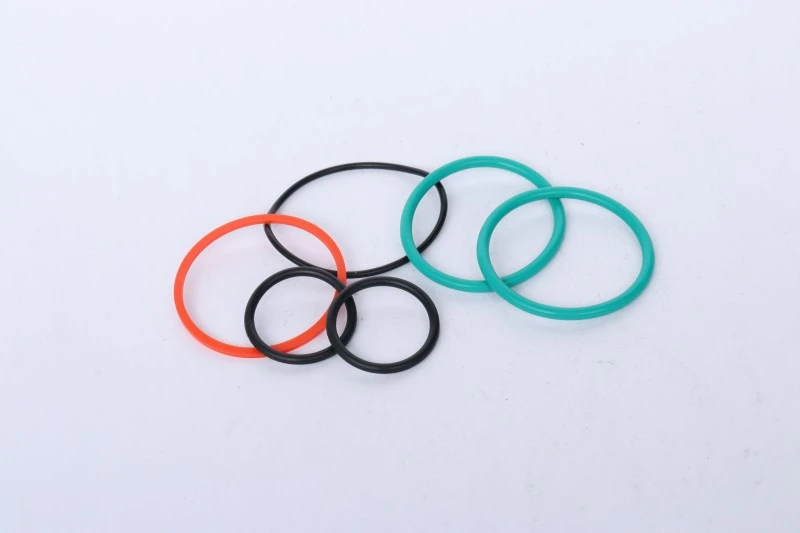
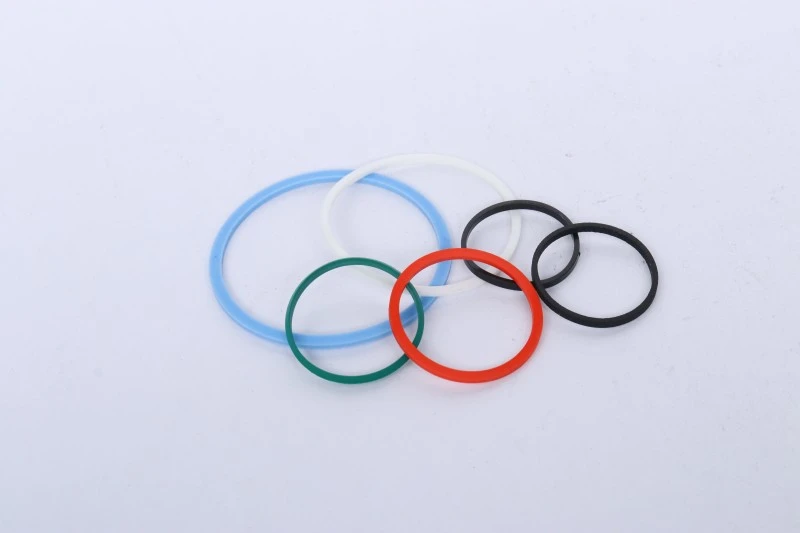
Anti-Oil-Swell Post-Cured Nitrile O-Ring
The Anti-Oil-Swell Post-Cured Nitrile O-Ring can help reduce premature seal replacement caused by dimensional changes, while retaining the cost advantages and broad availability associated with NBR materials. It is therefore suitable for automotive damping components, hydraulic machinery, lubrication systems, pumps, valves and other equipment operating with compatible petroleum-based fluids.
The Anti-Oil-Swell Post-Cured Nitrile O-Ring uses a post-cured nitrile rubber structure to improve consistency after production and maintain a more predictable sealing profile during service. This makes it suitable for components in which even small dimensional changes can affect groove fit, friction or sealing pressure. XIAYI controls material preparation, molding, post-curing and inspection under an IATF 16949:2016-compliant quality management system, supporting stable production for OEM and replacement-part requirements.
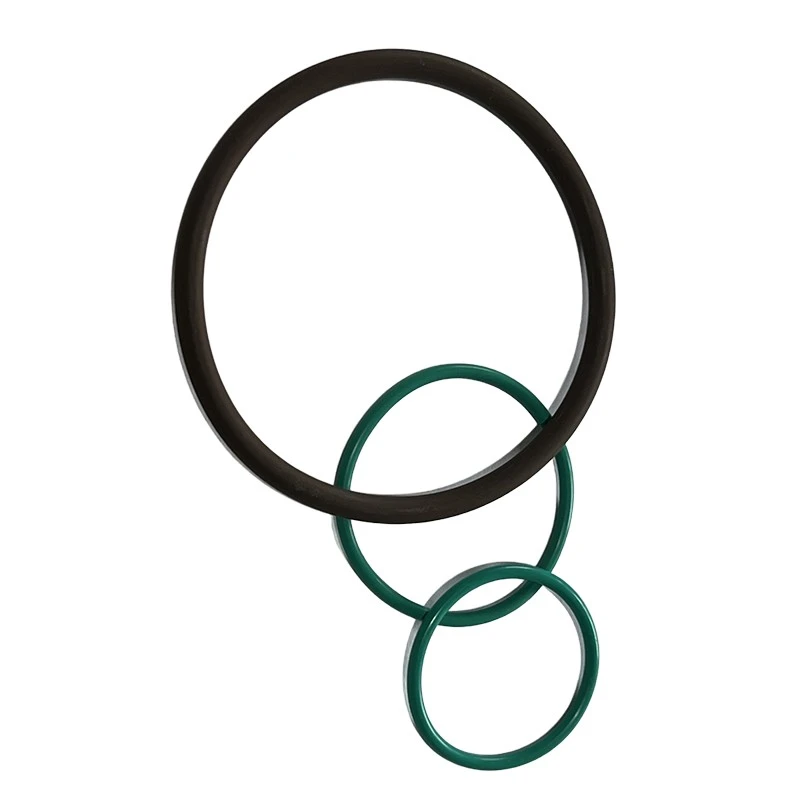
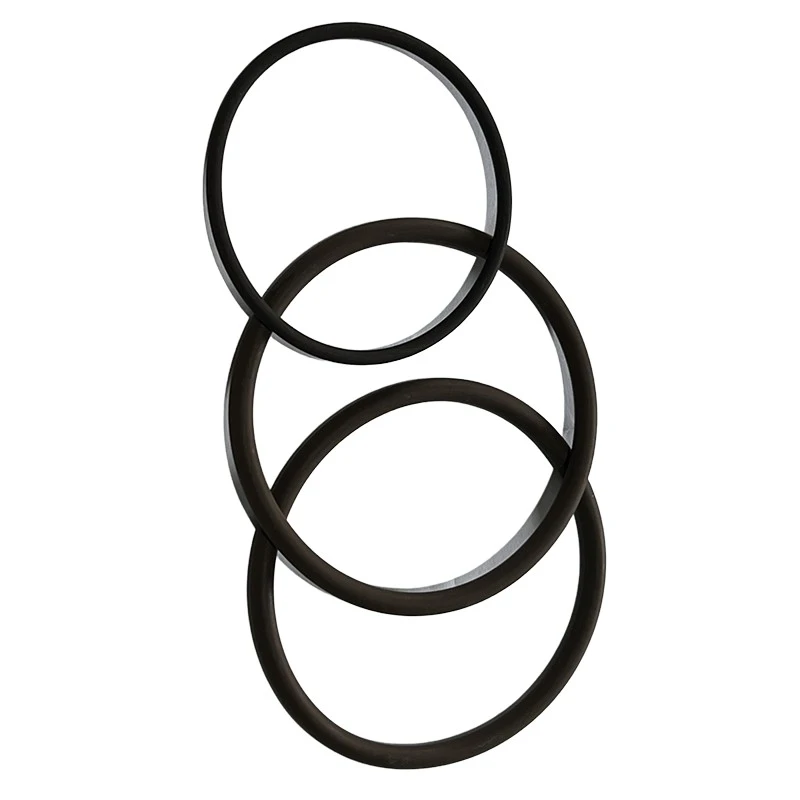
Material Behavior
Oil Contact
Nitrile rubber is widely selected for oil sealing because of its natural compatibility with many petroleum-based fluids. However, continuous exposure can gradually cause the elastomer to absorb oil. Depending on the formulation and operating temperature, this may increase volume, change hardness and reduce the original elasticity of the seal.
XIAYI approaches this issue from the perspective of long-term material behavior rather than simply increasing initial oil resistance. The formulation and post-curing treatment are designed to reduce excessive oil uptake while preserving the useful elasticity and wear resistance associated with NBR materials.
Rubber Stability
The condition of an elastomer after hundreds of operating hours can be more important than its appearance immediately after production. Changes in molecular structure, residual curing components and internal stress may influence how a seal responds to oil and temperature over time.
The secondary post-curing process used by XIAYI helps further stabilize the rubber after primary vulcanization. This provides a more consistent material condition before the component enters actual service.
Post-Curing Technology
Primary Curing
The first vulcanization stage establishes the basic shape, hardness and elastic properties of the NBR component. Temperature, pressure and curing time are controlled according to the selected rubber formulation.
Stable primary curing provides the foundation for subsequent post-curing and helps reduce variation in the physical properties of different production batches.
Secondary Treatment
The distinguishing process is the additional post-curing stage. Controlled thermal treatment allows the material to continue stabilizing after initial molding, helping reduce residual volatile components and internal stress.
For oil-contact applications, this additional processing can contribute to better dimensional behavior and more stable elasticity after prolonged exposure to the working medium.
Surface Finishing
After curing, excess rubber and molding flash are removed through controlled finishing. The sealing surface is processed to reduce irregularities that could interfere with assembly.
A clean and consistent surface also helps reduce the risk of installation damage, particularly when the ring is fitted into narrow grooves or assembled with moving components.
Oil Immersion Performance
Volume Stability
The Anti-Oil-Swell Post-Cured Nitrile O-Ring is designed to minimize excessive volume change after prolonged oil exposure. According to the provided internal performance target, the oil swelling rate can be controlled within ±1% after 200 hours of immersion under specified test conditions.
Maintaining a stable volume helps prevent excessive interference between the seal and its mating components, which is important for hydraulic valves, pumps and moving sealing assemblies.
Elastic Retention
Oil resistance is not only about preventing swelling. A sealing material must also retain sufficient elasticity after exposure to the working medium.
XIAYI targets a compression set of ≤8%, helping the ring maintain useful recovery after prolonged compression. This is particularly relevant for components that remain compressed for extended periods before experiencing repeated movement.
Quality Control
Material Inspection
Before production, NBR raw materials are inspected for consistency and baseline performance. The formulation is then precisely mixed under controlled temperature conditions.
This approach helps reduce differences in hardness, elasticity and oil-response characteristics between batches.
Aging Tests
XIAYI uses oil-immersion aging tests to evaluate material behavior after prolonged contact with representative fluids. Dimensional change, appearance and mechanical characteristics can be evaluated according to customer requirements.
Additional compression and fatigue tests can be used for applications where the sealing component experiences repeated movement or pressure fluctuations.
Performance Data
Main Parameters
| Performance Item | XIAYI Target |
|---|---|
| Oil swelling after 200 h immersion | ≤±1% |
| Compression set | ≤8% |
| Operating temperature | -40°C to 120°C |
| Inner diameter tolerance | ±0.01 mm |
| Outer diameter tolerance | ±0.02 mm |
| Surface roughness | Ra ≤0.2 μm |
| Fatigue testing | Up to 1 million cycles |
| Applicable media | Hydraulic oil, engine oil, lubricating grease |
The actual performance of an NBR seal depends on the specific oil composition, temperature, pressure, exposure time and rubber formulation. XIAYI can recommend suitable material specifications according to the customer's operating conditions.
Production Control
Mixing Process
The rubber compound is prepared using controlled-temperature mixing equipment. Material ratios, mixing conditions and processing time are monitored to promote uniform distribution of the formulation.
Consistent mixing is important because uneven additives or material properties can lead to different oil-response behavior within the same batch.
Curing Process
Primary vulcanization and secondary post-curing are controlled as separate process stages. This allows XIAYI to stabilize the material structure rather than relying on a single molding cycle.
The finished rings are subsequently inspected and cleaned before packaging to maintain production consistency through final delivery.
Customer Concerns
Swelling After Use
One of the most common concerns when purchasing NBR sealing components is that the product performs normally during initial testing but changes after several months of oil exposure.
Excessive swelling can increase friction, reduce available installation clearance and interfere with moving components. The post-cured formulation is intended to reduce this type of long-term material change.
Seal Replacement
Frequent replacement is costly for hydraulic and automotive equipment because the actual expense includes labor, downtime and secondary component inspection.
By improving oil compatibility and material stability, the product is designed to extend replacement intervals and provide more predictable maintenance planning.
Fluid Compatibility
Different hydraulic oils and lubricants can have different additive packages and operating temperatures. Therefore, a seal that performs well with one fluid may not necessarily have identical behavior with another.
XIAYI can evaluate the intended oil medium, temperature and service conditions before recommending the appropriate NBR formulation.
Product Benefits
Reduced Oil Expansion
The Anti-Oil-Swell Post-Cured Nitrile O-Ring is designed around reduced oil absorption and controlled volume change. This helps preserve the intended installation relationship between the seal and mating surface during extended oil exposure.
Stable Elasticity
The post-curing process helps stabilize the elastomer structure and supports low compression set. The ring can therefore maintain useful recovery after remaining under compression for extended periods.
Economical Material Choice
Compared with higher-cost specialty elastomers, NBR provides an attractive balance between oil resistance, mechanical properties and material cost for many general industrial applications.
The post-curing treatment enhances the performance of the NBR base material without changing the fundamental cost-oriented advantage of the material family.
Long-Term Maintenance
More stable material behavior can help reduce premature seal replacement caused by swelling, softening and loss of elasticity. This is particularly valuable for equipment operating continuously where maintenance access is limited.
Application Fields
Hydraulic Equipment
Hydraulic pumps, valves and cylinders can expose seals to continuous hydraulic fluid contact and pressure cycling. The product is suitable for applications where controlled oil-induced volume change is required.
Automotive Systems
The product can be applied to automotive hydraulic shock absorbers, lubrication-related components and other sealing locations where NBR compatibility with petroleum-based fluids is required.
Industrial Machinery
Mechanical transmission equipment, engineering machinery and oil-circulation systems can also use this sealing solution where moderate-to-high oil exposure and repeated operation are expected.
Manufacturing Capability
Quality System
XIAYI has established a quality management system in accordance with IATF 16949:2016, supporting standardized manufacturing and inspection procedures for automotive and industrial sealing components.
Process controls cover raw material preparation, mixing, molding, post-curing, finishing and final inspection.
Custom Development
XIAYI supports customized dimensions, hardness and material formulations according to equipment requirements. Customers can provide drawings, samples or operating parameters such as oil type, temperature and pressure for technical evaluation.
Real Application
Customer Background
A Southeast Asian professional hydraulic machinery manufacturer produces industrial hydraulic pumps and valve components. Its conventional NBR O-rings were exposed to hydraulic oil for extended periods and began showing oil absorption, dimensional expansion and elasticity loss after approximately 2--5 months of operation. These issues contributed to equipment jamming, micro oil leakage and unstable hydraulic pressure, increasing after-sales maintenance requirements.
Solution
In the second half of 2024, the manufacturer introduced the Anti-Oil-Swell Post-Cured Nitrile O-Ring from XIAYI for batch replacement. The solution focused on improving long-term behavior under hydraulic-oil immersion and pressure fluctuations. XIAYI applied the secondary post-curing process and conducted oil-immersion and fatigue simulation tests before batch application.
Results
After 11 months of on-site equipment operation, the customer reported no swelling deformation, jamming or oil-leakage failures associated with the replacement seals. Compared with the previous sealing solution, service life increased by 260%, sealing-related equipment failures decreased by 95%, and annual maintenance costs were reduced by 38%.
Product FAQ
Why is post-curing important for NBR?
Post-curing provides an additional controlled heat-treatment stage after primary vulcanization. It helps further stabilize the rubber structure and reduce residual components or internal stress that may influence long-term material behavior.
How does oil swelling affect a seal?
Excessive oil absorption can increase the volume of NBR, change its hardness and reduce available installation clearance. In moving applications, this may increase friction or cause sticking, while dimensional changes can also affect the intended sealing interface.
Can XIAYI test the product with our oil?
Yes. For customized projects, customers can provide information about the hydraulic oil, engine oil or lubricant being used, together with temperature, pressure and operating time. XIAYI can use these conditions to recommend a suitable NBR formulation and define appropriate validation tests.
Hot Tags: Anti-Oil-Swell Post-Cured Nitrile O-Ring Manufacturer, Post-Cured Nitrile O Ring Supplier, Custom Oil Resistant O Ring Factory
Related Category
Send Inquiry
Contact Info
-
Address
No.209 Lane 520 Tongning Rd,Qianjiang Street,Jiangbei District, Ningbo City, Zhejiang Province, China
-
Tel
-
Email
Get a Tailored Quote for Your Shock Absorber Parts
Why Global Buyers Choose Ningbo Xiayi:
✓ IATF 16949 Certified — Defect rate strictly controlled below 0.1%.
✓ Full-Category Supply — Pistons, rods, springs, stampings & rubber parts.
✓ R&D Support — Custom powder metallurgy formulas & 7-10 day rapid prototyping.
✓ Proven Capacity — 50 million core pistons produced annually for global OEMs.
Ready to start? Complete the form below and our engineering team will respond within 24 hours with a custom recommendation.