- Home
- About Us
- Products
- News
- Download
- Send Inquiry
- Contact Us

English
- English
- Español
- Português
- русский
- Français
- 日本語
- Deutsch
- tiếng Việt
- Italiano
- Nederlands
- ภาษาไทย
- Polski
- 한국어
- Svenska
- magyar
- Malay
- বাংলা ভাষার
- Dansk
- Suomi
- العربية
- हिन्दी
- Pilipino
- Türkçe
- Gaeilge
- Indonesia
- Norsk
- تمل
- český
- ελληνικά
- український
- Javanese
- فارسی
- தமிழ்
- తెలుగు
- नेपाली
- Burmese
- български
- ລາວ
- Latine
- Қазақша
- Euskal
- Azərbaycan
- Slovenský jazyk
- Македонски
- Lietuvos
- Eesti Keel
- Română
- Slovenski
- मराठी
- Srpski језик

Products
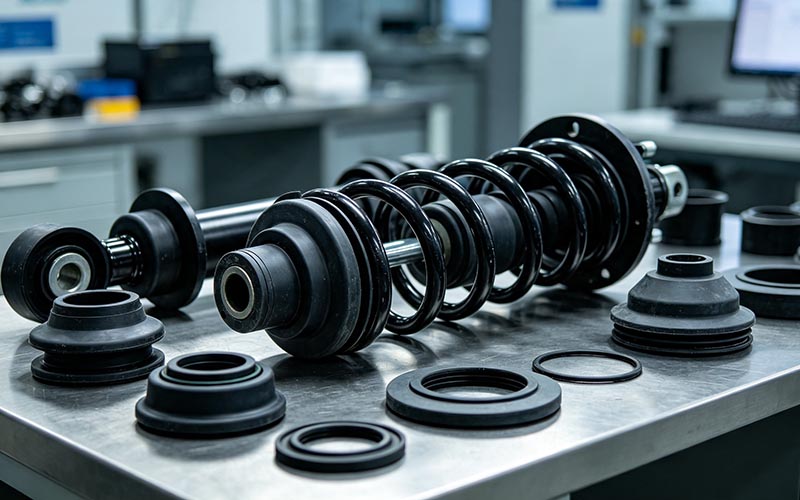
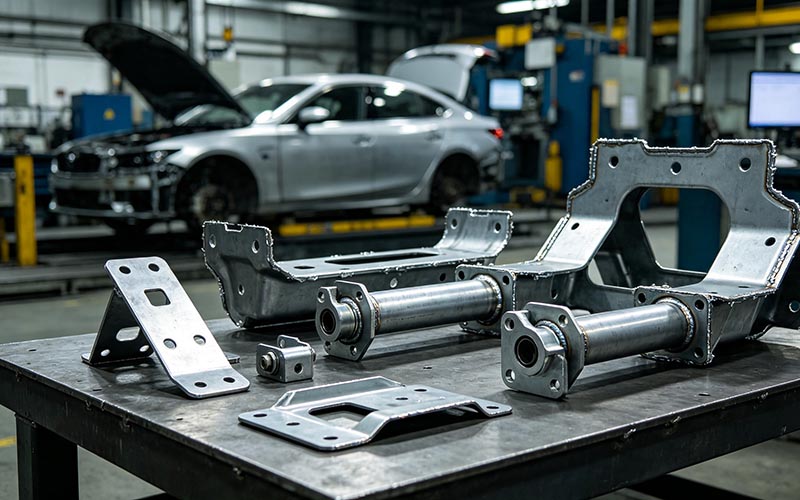
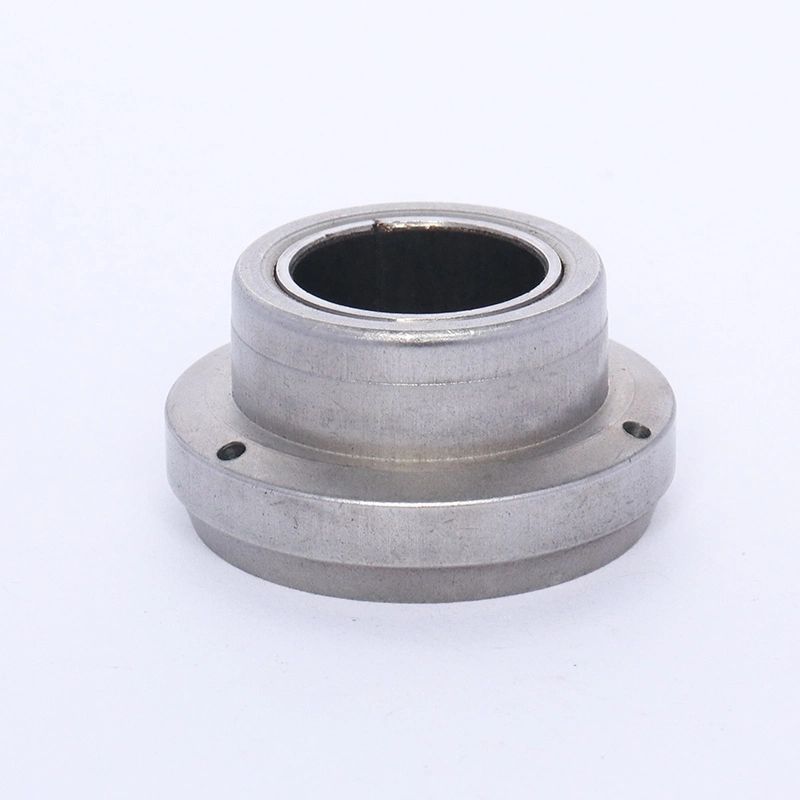
We supply full-category shock absorber components, including pistons, stampings, rubber seals, piston rods, springs, and self-developed banding/grooving machines.
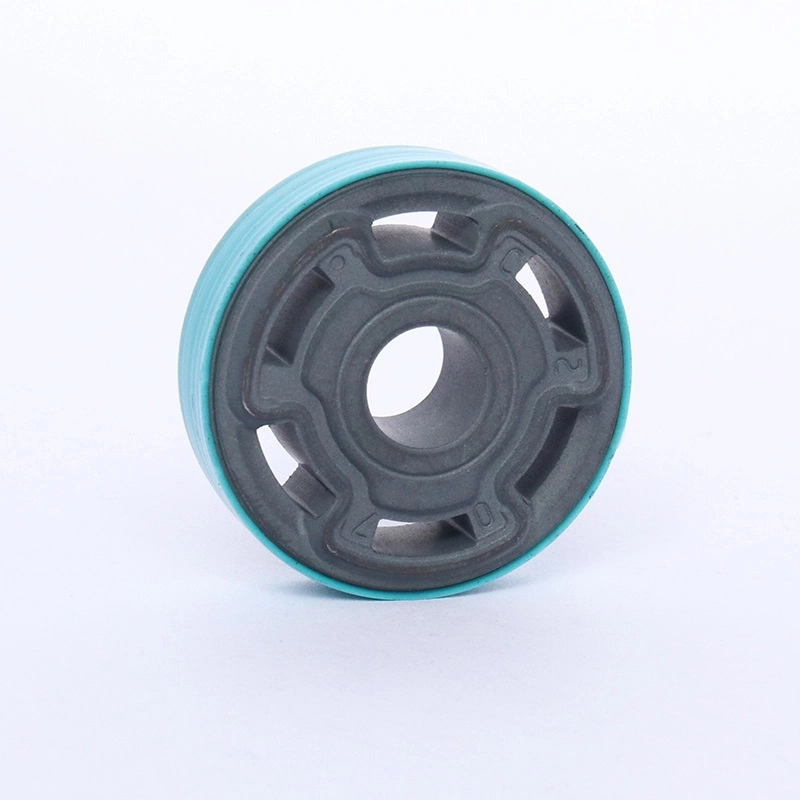


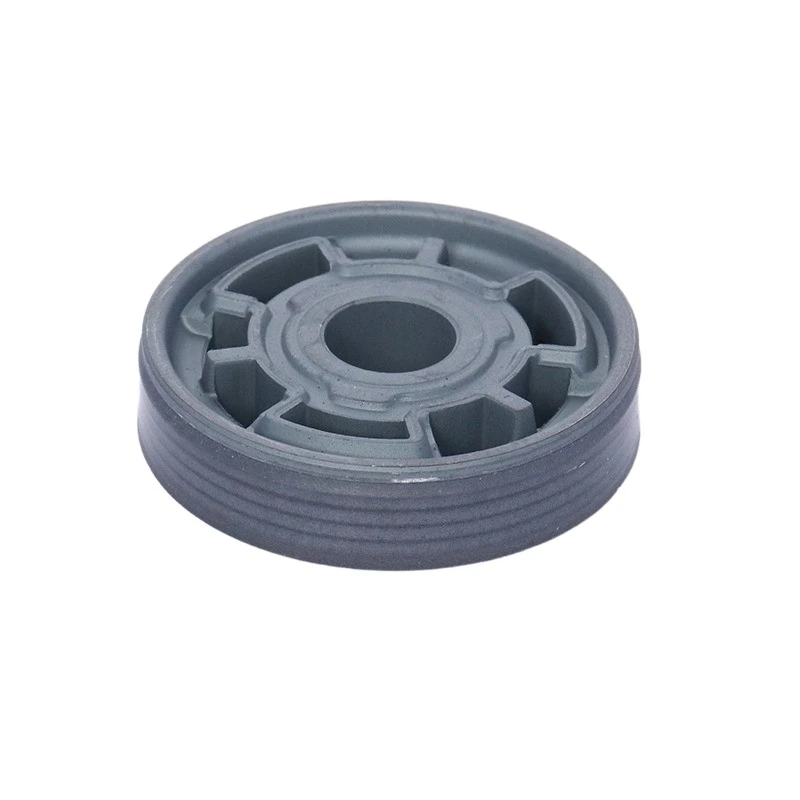
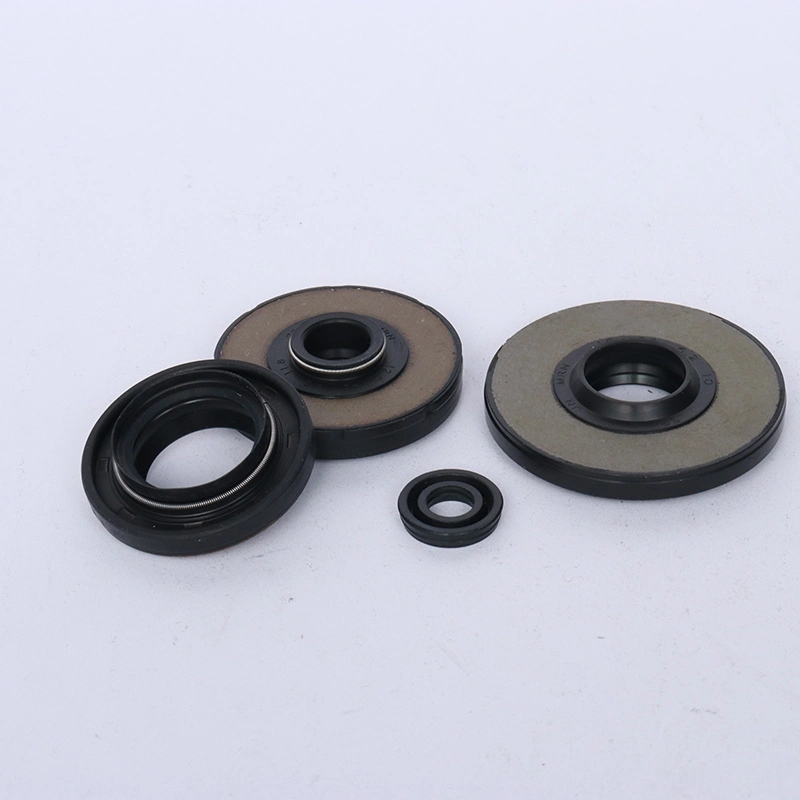
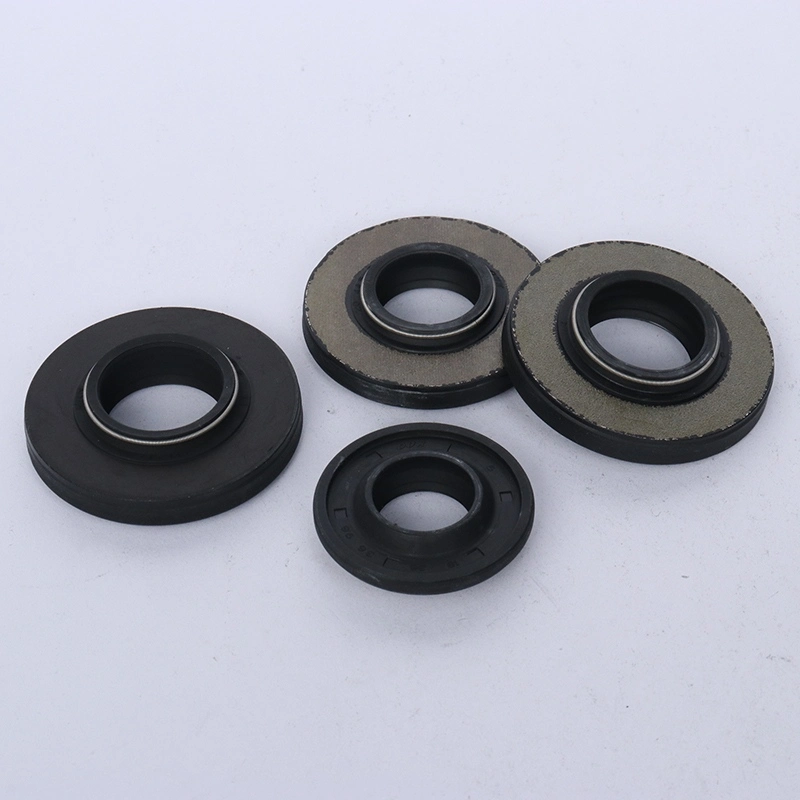
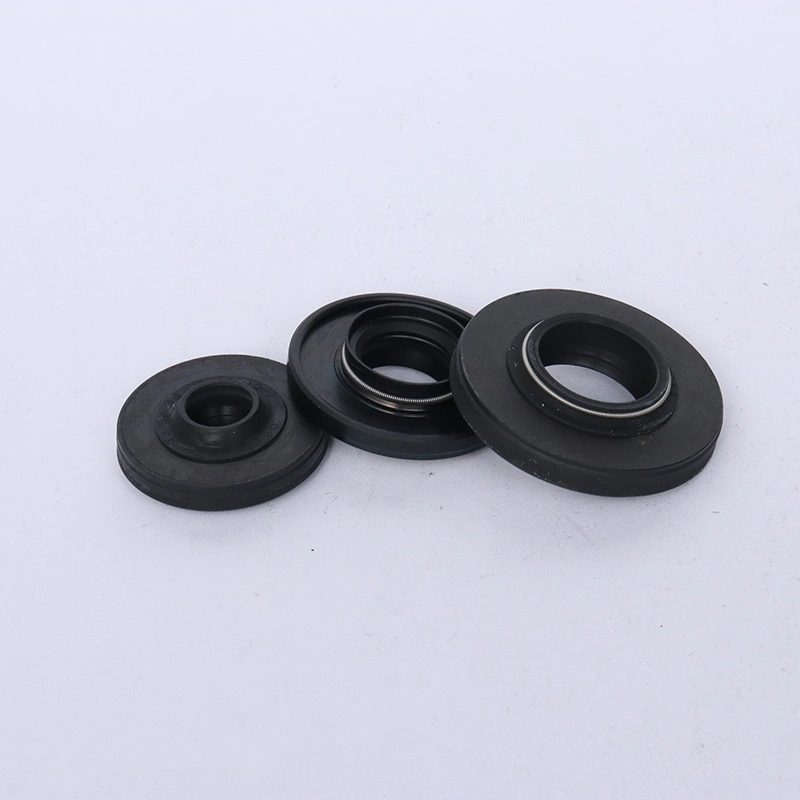
Low-Friction Lip Surface Precision Molded Seal
The Low-Friction Lip Surface Precision Molded Seal from XIAYI is designed for sealing points where a rubber lip moves repeatedly against a shaft or piston rod. Its main purpose is not simply to stop fluid loss, but to control the resistance generated at the moving contact interface during continuous reciprocating operation.
Unlike conventional seals that rely heavily on post-molding trimming and may introduce inconsistent lip surfaces, XIAYI uses precision mold forming to establish the sealing geometry directly during vulcanization. This helps create a more uniform contact surface and reduces unnecessary friction between the rubber lip and moving shaft.
The Low-Friction Lip Surface Precision Molded Seal uses NBR as its standard rubber material and can operate across approximately -40°C to +100°C, with a brittle temperature of ≤-52°C under the specified formulation. It is manufactured in China under an IATF 16949:2016-compliant quality management system, making it suitable for automotive suspension, motorcycle damping and industrial reciprocating equipment.


Designed for Smooth Shaft Movement
Reduce Running Resistance
The Low-Friction Lip Surface Precision Molded Seal from XIAYI is developed for mechanical systems in which the sealing lip moves continuously against a shaft or piston rod. Instead of simply increasing contact pressure to prevent leakage, the design focuses on controlling the resistance generated during reciprocating movement.
In shock absorbers, motorcycle suspension systems and industrial damping equipment, excessive lip friction can affect movement smoothness, accelerate heat generation and increase wear. XIAYI therefore uses a precision-molded sealing surface to create a more consistent contact interface between the rubber lip and moving shaft.
Support Reciprocating Motion
The sealing interface is designed for repeated forward-and-backward movement rather than static sealing alone. During operation, the lip needs to maintain sufficient contact while avoiding unnecessary resistance.
This balance makes the product suitable for applications where sealing reliability and smooth shaft movement need to work together.
Improve Operating Comfort
Lower friction at the sealing interface can help reduce rubbing noise and irregular movement. For automotive and motorcycle suspension systems, this contributes to smoother damping behavior and improved riding comfort.
For industrial equipment, reduced resistance can also help maintain more consistent movement during repeated mechanical cycles.
Friction Starts at the Lip
Contact Area
The sealing lip is the point where the rubber component directly interacts with the moving shaft. Its geometry and surface condition have a direct influence on friction.
XIAYI develops the contact profile through precision molding so that the rubber surface is formed consistently during vulcanization.
Surface Uniformity
Instead of depending heavily on secondary cutting operations, the sealing surface is formed directly through the mold cavity. This helps reduce irregular cutting marks and variations that may affect running behavior.
A consistent surface provides a more predictable contact condition during repeated movement.
Controlled Contact Pressure
The product combines its molded lip geometry with an elastic NBR body and supporting structure to maintain the required shaft contact.
The objective is to achieve sufficient sealing force without creating unnecessary resistance, which is particularly important in high-frequency reciprocating systems.
Built Around Temperature Changes
Cold-Start Behavior
Rubber properties can change considerably when temperatures fall. Excessive hardening can increase sealing resistance and reduce the ability of the lip to follow shaft movement.
The selected NBR formulation has a specified brittle temperature of ≤-52°C, helping maintain flexibility in cold operating environments.
Hot Running Conditions
Continuous movement generates frictional heat, while vehicle and machinery operation can expose the seal to elevated temperatures.
The specified operating range is approximately -40°C to +100°C, allowing the component to accommodate a broad range of working conditions.
Seasonal Stability
For vehicles operating across large temperature differences, the sealing material needs to maintain predictable behavior from cold startup to normal operating temperature.
XIAYI's material formulation is designed to minimize drastic changes in flexibility and sealing behavior as operating temperature changes.
Mold Accuracy Controls Motion
One-Step Lip Formation
The sealing lip is formed through precision molding rather than relying primarily on post-molding mechanical trimming.
This production method allows the intended lip geometry to be established directly during the molding process.
Repeatable Geometry
Consistent mold conditions help control the shape and contact characteristics of the sealing edge across production batches.
For OEM customers, this repeatability is important because changes in lip geometry can lead to noticeable differences in friction and operating behavior.
Supporting Structure
The specified construction can use a 40Mn steel framework and 65Mn spring steel to support the rubber sealing body and maintain structural stability during repeated movement.
The rubber and metal components work together to maintain the intended sealing configuration during operation.
Measured Material Behavior
Mechanical Properties
| Item | Typical Value |
|---|---|
| Hardness | 80±3 Shore A |
| Tensile Strength | ≥10 MPa |
| Elongation at Break | ≥150% |
| Compression Set | ≤25% |
| Brittle Temperature | ≤-52°C |
| Operating Temperature | -40°C to +100°C |
These values provide a reference for customers evaluating material suitability for their equipment.
Oil Interaction
In IRM 901 oil testing, the specified volume change is approximately -1.2% to +2.2%.
For applications involving special hydraulic fluids, lubricants or additives, XIAYI recommends conducting compatibility testing before final material selection.
Elastic Recovery
The rubber body needs to recover its shape after repeated compression and movement. Controlled vulcanization helps establish the required balance between hardness, elasticity and permanent deformation resistance.
Where Motion Quality Matters
Automotive Suspension
Passenger vehicle shock absorbers require repeated piston-rod movement while maintaining controlled sealing resistance.
The Low-Friction Lip Surface Precision Molded Seal is suitable for suspension assemblies where smooth movement, low friction and stable sealing behavior are important to overall driving comfort.
Motorcycle Damping
Motorcycle front forks and rear suspension systems experience frequent movement, vibration and impact.
The low-friction surface is particularly suitable for applications where excessive sealing resistance could affect suspension response.
Industrial Damping
Industrial damping systems may operate continuously for long periods and can have strict requirements for movement consistency and operating noise.
The product can be applied to automated machinery and reciprocating damping mechanisms where predictable friction behavior is required.
Tested Under Real Movement
Cold-Region Vehicle Test
A northern China automotive parts supporting company selected the Low-Friction Lip Surface Precision Molded Seal for passenger car shock absorber assemblies.
In winter conditions of approximately -30°C to -40°C, conventional seals showed hardening, poor sealing behavior and noticeable operating noise. After switching to XIAYI precision molded seals, the components maintained better flexibility and lower running resistance.
After 18 months of road testing, no oil leakage, hardening or abnormal noise related to the sealing components was reported, while the shock absorber after-sales failure rate decreased by 88%.
Off-Road Motorcycle Test
A European high-end motorcycle brand applied XIAYI molded seals to off-road suspension systems.
The equipment experienced frequent reciprocating movement, vibration and complex outdoor conditions. The optimized molded lip reduced friction and wear during repeated movement.
After long-term testing, the reported service life increased by more than 2.5 times, while chassis operating noise was also reduced.
Industrial Equipment Test
A Korean precision machinery company integrated XIAYI molded seals into automated damping equipment operating continuously for 24 hours.
Previous sealing components generally required replacement within three months because of friction-related wear. After implementation of the new design, the maintenance interval extended to more than nine months, reducing equipment downtime and maintenance frequency.
Engineering Support for OEM Projects
Prototype Development
XIAYI can develop customized sealing components according to customer drawings, samples and equipment parameters.
The engineering team can evaluate shaft dimensions, movement frequency, temperature, lubricant and required friction characteristics before recommending the appropriate material and lip design.
Material Adjustment
Different operating environments may require different rubber formulations. XIAYI can adjust NBR hardness and compound characteristics according to temperature, medium and movement requirements.
Alternative elastomer solutions can also be evaluated when standard NBR is not suitable.
Mold Development
For non-standard sealing geometries, dedicated molds can be developed to achieve the required lip profile.
Sample production and testing can generally be arranged within 7--10 working days, depending on mold complexity and validation requirements.
Product FAQ
Why does lip friction matter in reciprocating equipment?
The sealing lip continuously contacts the moving shaft. Excessive friction can increase wear, heat generation and movement resistance.
A properly designed low-friction interface helps the shaft move more smoothly while retaining the necessary sealing contact.
What makes molded lips different from trimmed lips?
A molded lip is formed directly through the mold cavity during vulcanization. This can provide more consistent geometry and surface characteristics than processes relying heavily on subsequent mechanical trimming.
For dynamic sealing applications, this consistency can help stabilize friction behavior between batches.
Can this seal be developed for specific movement conditions?
Yes. XIAYI can customize dimensions, rubber hardness, lip geometry and material characteristics according to shaft speed, stroke, temperature, lubricant and application requirements.
For new projects, providing the shaft dimensions and operating conditions allows the engineering team to evaluate the sealing design more accurately.
Related Category
Send Inquiry
Contact Info
-
Address
No.209 Lane 520 Tongning Rd,Qianjiang Street,Jiangbei District, Ningbo City, Zhejiang Province, China
-
Tel
-
Email
Get a Tailored Quote for Your Shock Absorber Parts
Why Global Buyers Choose Ningbo Xiayi:
✓ IATF 16949 Certified — Defect rate strictly controlled below 0.1%.
✓ Full-Category Supply — Pistons, rods, springs, stampings & rubber parts.
✓ R&D Support — Custom powder metallurgy formulas & 7-10 day rapid prototyping.
✓ Proven Capacity — 50 million core pistons produced annually for global OEMs.
Ready to start? Complete the form below and our engineering team will respond within 24 hours with a custom recommendation.
News Recommendations