- Home
- About Us
- Products
- News
- Download
- Send Inquiry
- Contact Us

English
- English
- Español
- Português
- русский
- Français
- 日本語
- Deutsch
- tiếng Việt
- Italiano
- Nederlands
- ภาษาไทย
- Polski
- 한국어
- Svenska
- magyar
- Malay
- বাংলা ভাষার
- Dansk
- Suomi
- العربية
- हिन्दी
- Pilipino
- Türkçe
- Gaeilge
- Indonesia
- Norsk
- تمل
- český
- ελληνικά
- український
- Javanese
- فارسی
- தமிழ்
- తెలుగు
- नेपाली
- Burmese
- български
- ລາວ
- Latine
- Қазақша
- Euskal
- Azərbaycan
- Slovenský jazyk
- Македонски
- Lietuvos
- Eesti Keel
- Română
- Slovenski
- मराठी
- Srpski језик
Products
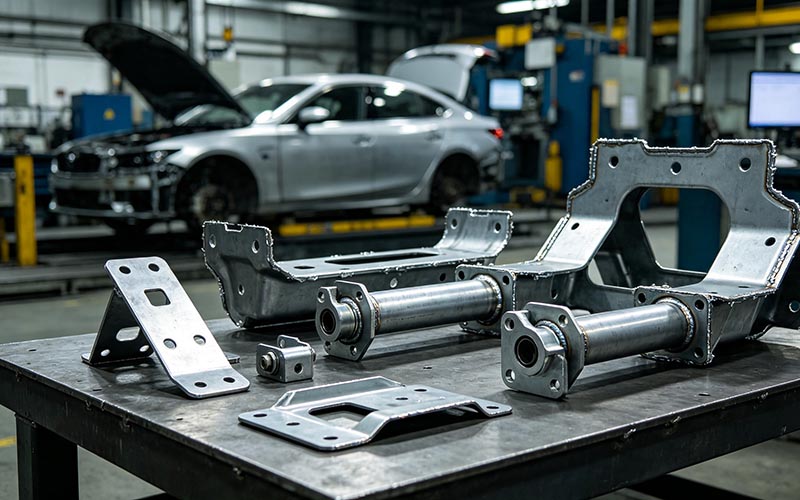
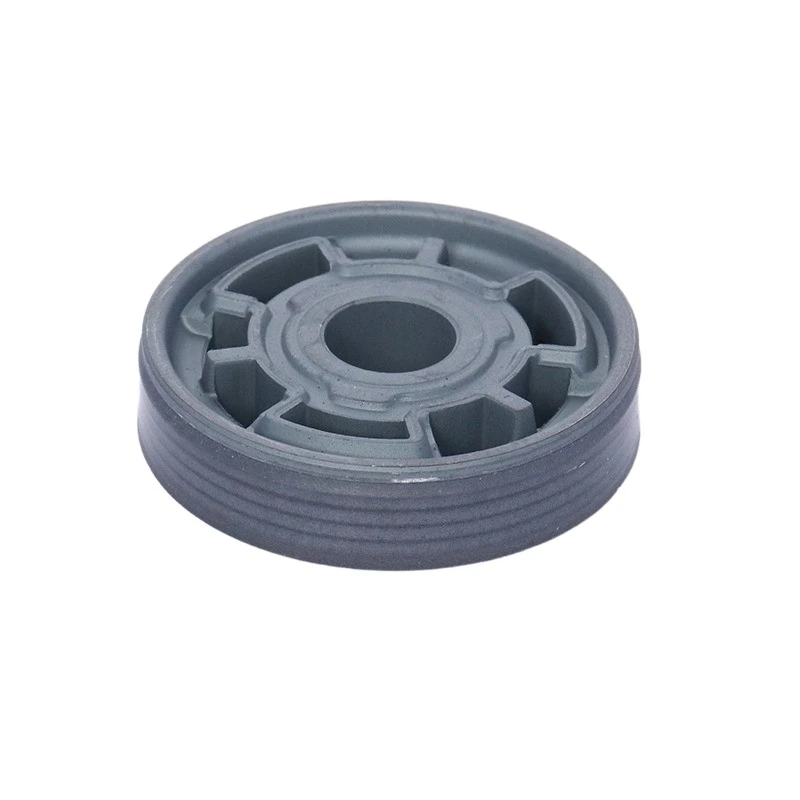
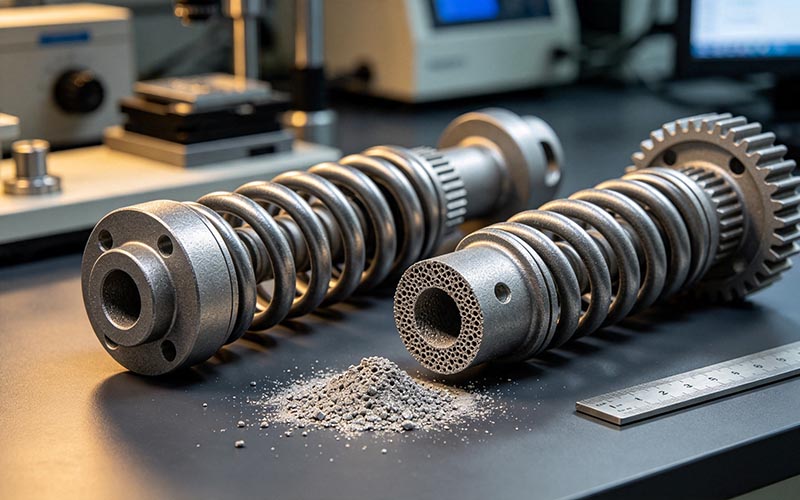
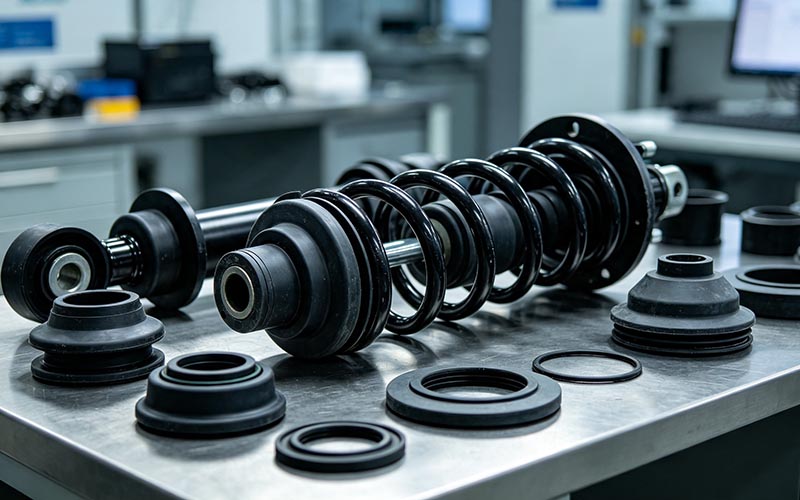
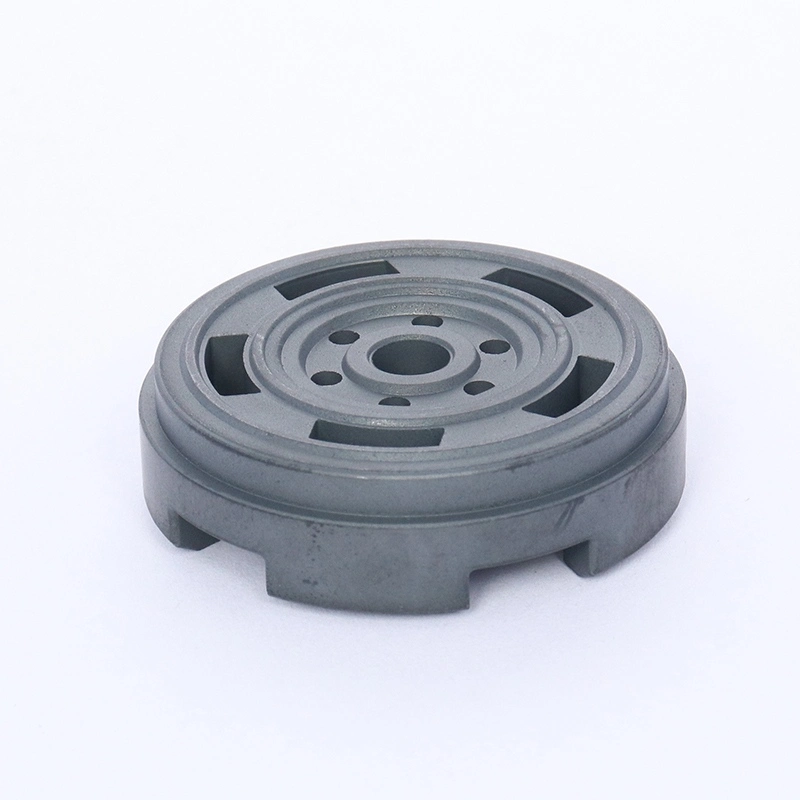
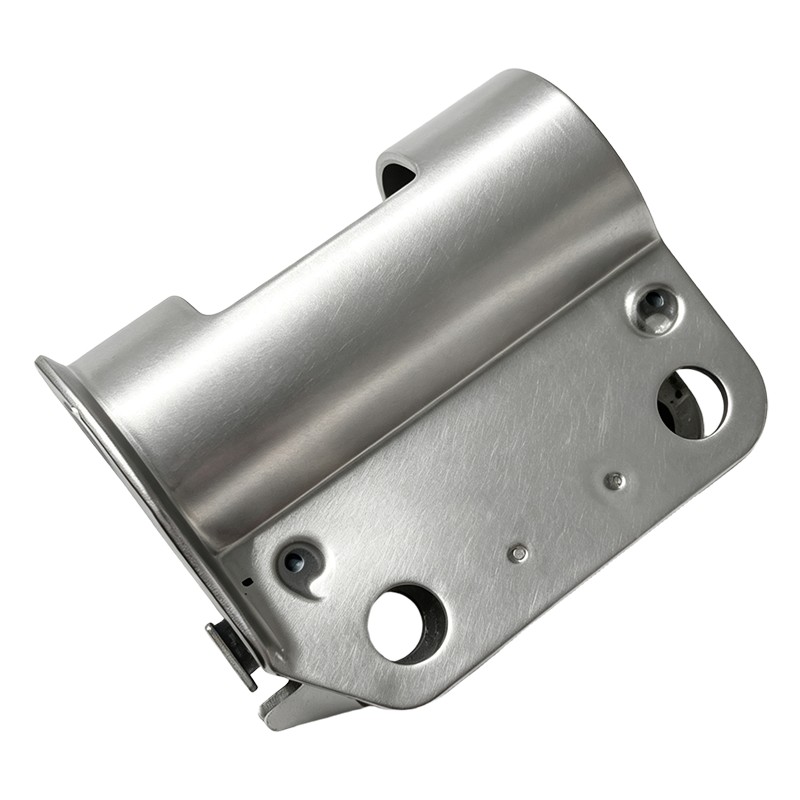
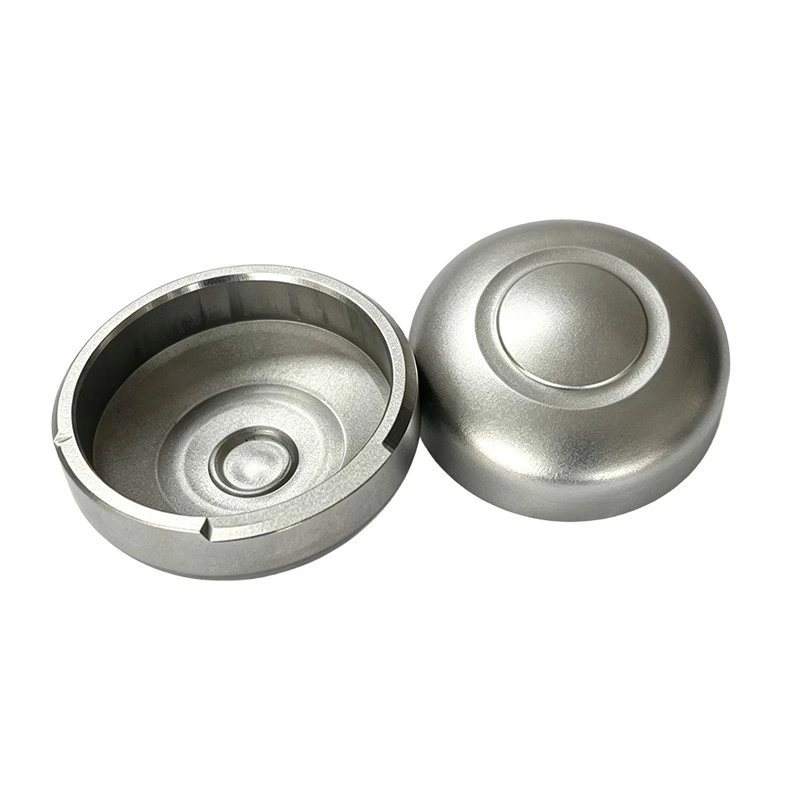
We supply full-category shock absorber components, including pistons, stampings, rubber seals, piston rods, springs, and self-developed banding/grooving machines.


Fully Automatic Powder Metallurgy Steam Treatment Furnace
The Fully Automatic Powder Metallurgy Steam Treatment Furnace from XIAYI is designed for steam treatment of ferrous powder metallurgy components after sintering. By controlling furnace temperature, steam flow, internal pressure and nitrogen atmosphere, the system supports surface oxidation and blackening treatment for suitable ferrous PM parts.
The steam treatment process can form an oxide layer on the surface of suitable sintered components, helping improve corrosion resistance and wear resistance. The Fully Automatic Powder Metallurgy Steam Treatment Furnace can also be used for pore-sealing applications where the material, porosity, geometry and process conditions are suitable. Because treatment results depend on the specific component and material, XIAYI recommends sample testing before production approval.
XIAYI uses PLC-based automatic process control to coordinate nitrogen purging, steam treatment and nitrogen purging before unloading. Three independently controlled heating zones, automatic steam-flow regulation and closed-loop furnace-pressure control allow the process to run according to programmed parameters.


Steam Treatment for Ferrous PM Parts
Steam treatment is mainly used when a sintered ferrous powder metallurgy component requires additional surface-property improvement after sintering.
Surface Blackening
Controlled steam treatment can produce an oxide layer on suitable ferrous PM components, creating a blackened surface appearance and providing additional surface protection.
Corrosion Resistance
The resulting oxide layer can help improve corrosion resistance compared with an untreated surface. The actual improvement depends on material composition, porosity, pre-treatment condition and validated process parameters.
Wear Resistance
For suitable ferrous components, steam treatment can also support improved wear resistance. The final result should be evaluated through sample testing according to the customer's application requirements.
Pore Sealing
The process can be considered for pore-sealing applications on suitable sintered parts. The effectiveness depends strongly on the component's pore structure and material characteristics.


Three-Zone Heating
Temperature control is divided into upper, middle and lower heating zones so that each section can be regulated independently.
Independent Zone Control
Each heating zone has independent temperature control. This allows the process recipe to establish different heating or holding conditions where required by the treatment process.
PID Regulation
The heating system uses PID regulation with zero-cross switching through solid-state relays. This provides controlled power output during the heating process.
Empty-Furnace Uniformity
The supplied technical agreement specifies an empty-furnace temperature uniformity of ≤ ±5°C at 600°C.
This specification applies to the empty-furnace test condition and should not be treated as a guaranteed uniformity value for a fully loaded production furnace. Loaded-furnace performance should be evaluated according to the parts and loading arrangement.

Steam and Pressure Control
Stable steam conditions are important for achieving repeatable treatment results. The system therefore combines automatic steam-flow regulation with furnace-pressure control.
Automatic Steam Flow
Steam flow can be adjusted automatically according to the programmed process. The equipment specification lists a steam supply of 0.4 MPa and 15 m³/h.
Closed-Loop Pressure Control
A pressure sensor, pressure controller and motorized exhaust valve form a closed-loop control system to help maintain the required furnace pressure.
The listed maximum furnace pressure is 50 kPa.
Pressure Protection
The system includes over-pressure relief protection as well as nitrogen and steam pressure monitoring. These functions help operators identify abnormal pressure conditions during operation.
Nitrogen Purging Sequence
Nitrogen is incorporated into the programmed treatment cycle rather than being handled as a completely separate manual operation.
Before Steam Treatment
The programmed cycle can start with nitrogen purging before the steam treatment stage. This allows the furnace atmosphere to be prepared according to the validated process recipe.
During Process Switching
The PLC system manages the transition between nitrogen and steam according to programmed start and stop times.
Before Unloading
Nitrogen purging can be performed again before unloading. This completes the programmed treatment sequence before the operator or automatic handling system removes the processed parts.
PLC Recipe Management
The Fully Automatic Powder Metallurgy Steam Treatment Furnace uses a PLC-based control system with an HMI interface for centralized process operation.
Temperature and Holding Time
Operators can set temperature parameters and heating or holding times for the three heating zones according to the approved treatment recipe.
Steam and Pressure Parameters
Steam flow and furnace pressure can be configured as part of the treatment process.
Nitrogen Timing
Nitrogen supply start and stop times can be programmed for the different stages of the cycle.
Alarm Settings
Alarm temperatures and equipment alarms can be configured through the control system. Audible and visual alarms indicate process completion or abnormal conditions.
Process Data on the HMI
For production teams, knowing what happened during a treatment cycle is important when investigating quality deviations.
Real-Time Temperature
The HMI displays the temperature of each heating zone so operators can monitor the current thermal condition.
Pressure and Steam Flow
Current furnace pressure and steam flow are displayed during operation, allowing operators to identify process deviations.
Process Records
The system records relevant operating parameters and fault information. These records can support production monitoring and subsequent process review.
Furnace Lid and Cooling
The furnace lid uses a hydraulic lifting structure designed for repeated opening and closing during production.
Hydraulic Lid Lifting
Hydraulic lifting allows controlled movement of the furnace lid during loading, unloading and maintenance operations.
Sealing Structure
The lid uses a heat-resistant sealing structure designed for the high-temperature steam-treatment environment.
Water Cooling
Water-cooling components are incorporated into the furnace-lid design. The equipment also includes over-pressure protection for the lid system.
Main Technical Specifications
The following data is based on the φ1200 × 900 model listed in the supplied technical agreement. The final configuration should be confirmed according to the customer's parts, production capacity and process requirements.
| Parameter | Specification |
| Model | φ1200 × 900 |
| Furnace Chamber Dimensions | φ1200 × 900 mm |
| Chamber Material | SUS 321 listed in specification table; 1Cr18Ni9Ti listed in structural description |
| Chamber Wall Thickness | Side wall: 8 mm; bottom: 10 mm |
| Maximum Operating Temperature | 650°C |
| Heating Power | Approx. 142 kW |
| Steam Generator Power | 36 kW |
| Maximum Furnace Pressure | 50 kPa |
| Temperature-Control Zones | Upper, middle and lower |
| Temperature-Control Method | PID regulation and zero-cross solid-state power control |
| Control System | PLC-based automatic process control |
| Operator Interface | Chinese-language HMI |
| Empty-Furnace Temperature Uniformity | ≤ ±5°C at 600°C |
| Nitrogen Supply | 0.05 MPa, 15 m³/h |
| Steam Supply | 0.4 MPa, 15 m³/h |
| Compressed Air | 0.6–0.8 MPa |
| Cooling Water | 0.3 MPa, 1 m³/h |
Important procurement note: The supplied agreement lists different chamber-material designations in different sections. The final chamber material should therefore be confirmed in writing before purchase. Actual processing temperature, load capacity, cycle time and treatment results depend on the specific parts and validated process parameters.
Applications in Powder Metallurgy
The Fully Automatic Powder Metallurgy Steam Treatment Furnace is intended for suitable ferrous sintered components requiring controlled steam treatment.
Automotive PM Components
Suitable automotive ferrous powder metallurgy structural components can be evaluated for blackening or corrosion-resistance improvement.
Motorcycle Components
Ferrous powder metallurgy parts used in motorcycle applications can be considered when the material and component structure have been verified for steam treatment.
Sintered Structural Parts
Sintered structural components requiring surface-property improvement or pore-sealing treatment may also be suitable.
Other Ferrous Sintered Products
Other applications can be evaluated based on material composition, porosity, geometry and dimensions. Not every powder metallurgy material or component is suitable for the same steam-treatment process.
Factory Utility Requirements
Before ordering the equipment, buyers should confirm that the factory can provide the required utilities, installation space and supporting infrastructure.
Installation Space
The technical agreement recommends an installation area of more than 4,000 × 3,000 mm. The final foundation and control-cabinet layout should follow the equipment foundation drawing.
Nitrogen and Steam
The listed nitrogen requirement is 0.05 MPa, 15 m³/h, while the steam requirement is 0.4 MPa, 15 m³/h. A 36 kW steam generator is also listed in the equipment configuration.
Compressed Air and Cooling Water
The compressed-air requirement is 0.6–0.8 MPa, while cooling water is specified at 0.3 MPa and 1 m³/h.
Site Infrastructure
The installation site should also provide electrical power, drainage, exhaust piping and sufficient space for equipment installation and maintenance.
Final connection specifications, piping layout, discharge arrangements and safety provisions should be confirmed with the supplier before installation.
Automated Treatment Cycle
Automation reduces the need for operators to manually switch between individual process stages.
Programmed Process Steps
The PLC can coordinate nitrogen purging, steam treatment and nitrogen purging before unloading according to the approved recipe.
Centralized Operation
Temperature, furnace pressure, steam flow and process timing can be managed through one control interface.
Repeatable Recipes
Validated process recipes can be saved and reused for approved parts and process conditions, helping reduce manual parameter-setting errors.
Production Monitoring
Operating data and alarm information allow operators to review process conditions and investigate production problems.
Actual throughput, energy consumption, loading capacity and treatment quality should be evaluated according to part dimensions, loading arrangement, cycle time and factory conditions rather than rated power alone.
Information Needed for Quotation
Before requesting a quotation for the Fully Automatic Powder Metallurgy Steam Treatment Furnace, buyers should provide enough information for the supplier to evaluate the required chamber size and process configuration.
Part Information
Provide the part material, product drawings, dimensions and individual weight.
Production Requirements
Specify the required batch loading quantity, production capacity, operating shifts and target cycle time.
Treatment Objective
Clearly identify whether the target is surface blackening, corrosion-resistance improvement, wear-resistance improvement or pore sealing.
Existing Process Data
If the parts are already in production, provide current process parameters and known quality issues.
Available Utilities
Provide the available electricity, nitrogen, steam, compressed air and cooling-water conditions at the factory.
This information helps XIAYI evaluate chamber dimensions, loading arrangements, process recipes and utility requirements before confirming the final configuration.
Installation and Technical Support
XIAYI can provide technical documentation and support for equipment installation, commissioning and operator training.
Technical Documents
The documentation package can include foundation drawings, general assembly drawings, wear-part drawings, electrical control schematics, instrument certificates, manuals, operating instructions and a main component list.
Commissioning
Installation, commissioning and startup can be arranged after the equipment is positioned and the customer's site is ready.
Operator Training
Training can cover equipment operation, process execution and basic operating procedures.
Before project implementation, both parties should clearly define responsibilities and acceptance requirements for power, water, nitrogen, steam, compressed air, drainage, exhaust piping and lifting equipment.
Frequently Asked Questions
What products can this furnace process?
It is mainly designed for suitable ferrous powder metallurgy components requiring steam treatment, such as parts needing blackening, corrosion-resistance improvement or pore sealing.
What benefits can steam treatment provide?
It can form an oxide layer on suitable ferrous PM parts and help improve corrosion and wear resistance. It can also support pore-sealing applications.
What is the temperature uniformity?
The technical agreement specifies ≤ ±5°C at 600°C under empty-furnace test conditions. Loaded-furnace performance should be evaluated separately.
How is the treatment process automated?
The PLC and HMI control temperature, heating time, steam flow, furnace pressure and nitrogen switching according to the programmed recipe.
What utilities are required?
The listed requirements include nitrogen, steam, compressed air, cooling water and electrical power, together with suitable drainage and exhaust facilities.
Can different PM part sizes be processed?
Suitability depends on chamber dimensions, part geometry, loading arrangement and process requirements. Product drawings and sample testing are recommended before production approval.
Related Category
Send Inquiry
Contact Info
-
Address
No.209 Lane 520 Tongning Rd,Qianjiang Street,Jiangbei District, Ningbo City, Zhejiang Province, China
-
Tel
-
Email
Get a Tailored Quote for Your Shock Absorber Parts
Why Global Buyers Choose Ningbo Xiayi:
✓ IATF 16949 Certified — Defect rate strictly controlled below 0.1%.
✓ Full-Category Supply — Pistons, rods, springs, stampings & rubber parts.
✓ R&D Support — Custom powder metallurgy formulas & 7-10 day rapid prototyping.
✓ Proven Capacity — 50 million core pistons produced annually for global OEMs.
Ready to start? Complete the form below and our engineering team will respond within 24 hours with a custom recommendation.
Related Products


News Recommendations