- Home
- About Us
- Products
- News
- Download
- Send Inquiry
- Contact Us

English
- English
- Español
- Português
- русский
- Français
- 日本語
- Deutsch
- tiếng Việt
- Italiano
- Nederlands
- ภาษาไทย
- Polski
- 한국어
- Svenska
- magyar
- Malay
- বাংলা ভাষার
- Dansk
- Suomi
- العربية
- हिन्दी
- Pilipino
- Türkçe
- Gaeilge
- Indonesia
- Norsk
- تمل
- český
- ελληνικά
- український
- Javanese
- فارسی
- தமிழ்
- తెలుగు
- नेपाली
- Burmese
- български
- ລາວ
- Latine
- Қазақша
- Euskal
- Azərbaycan
- Slovenský jazyk
- Македонски
- Lietuvos
- Eesti Keel
- Română
- Slovenski
- मराठी
- Srpski језик
Products
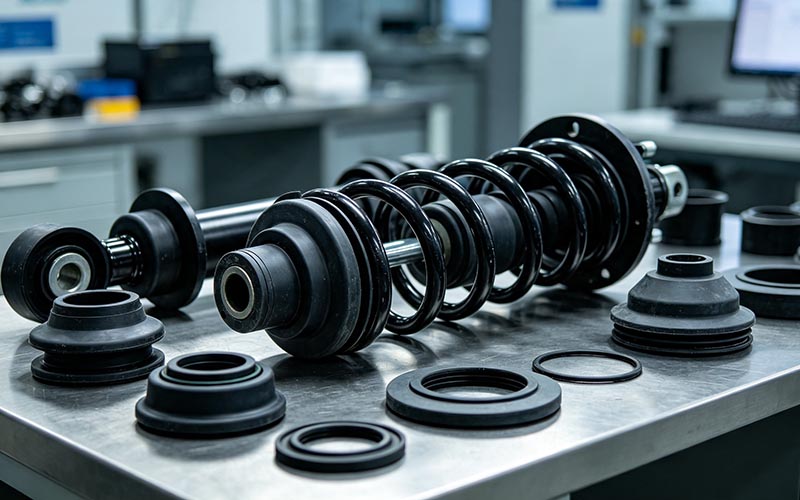
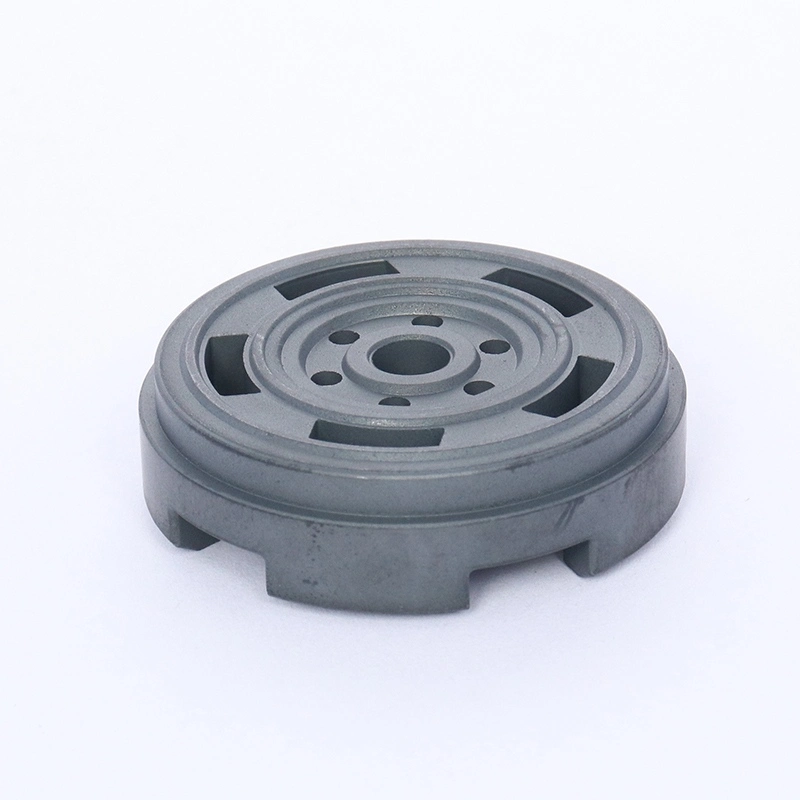
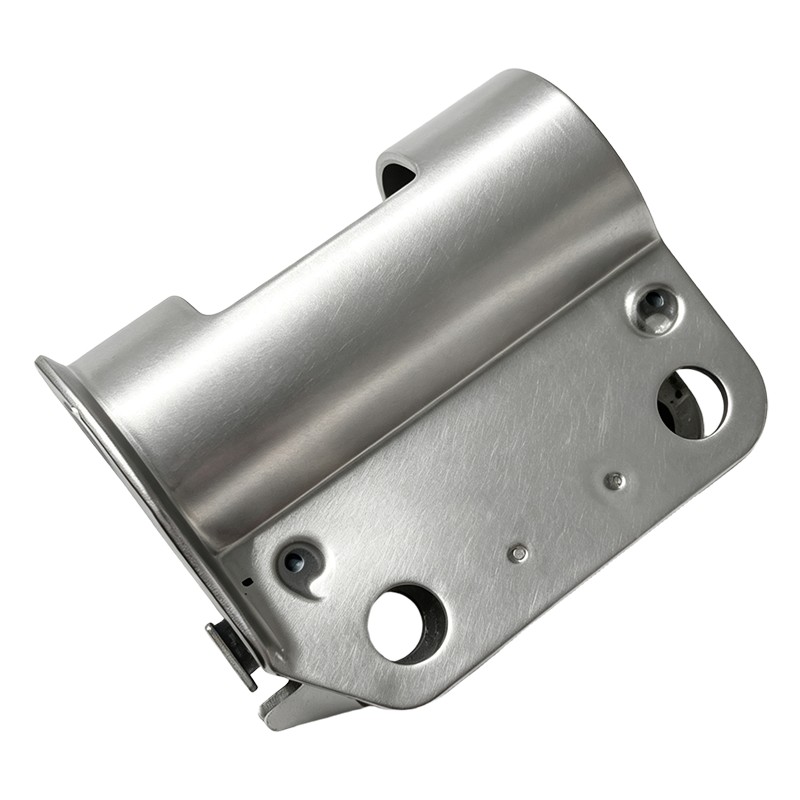
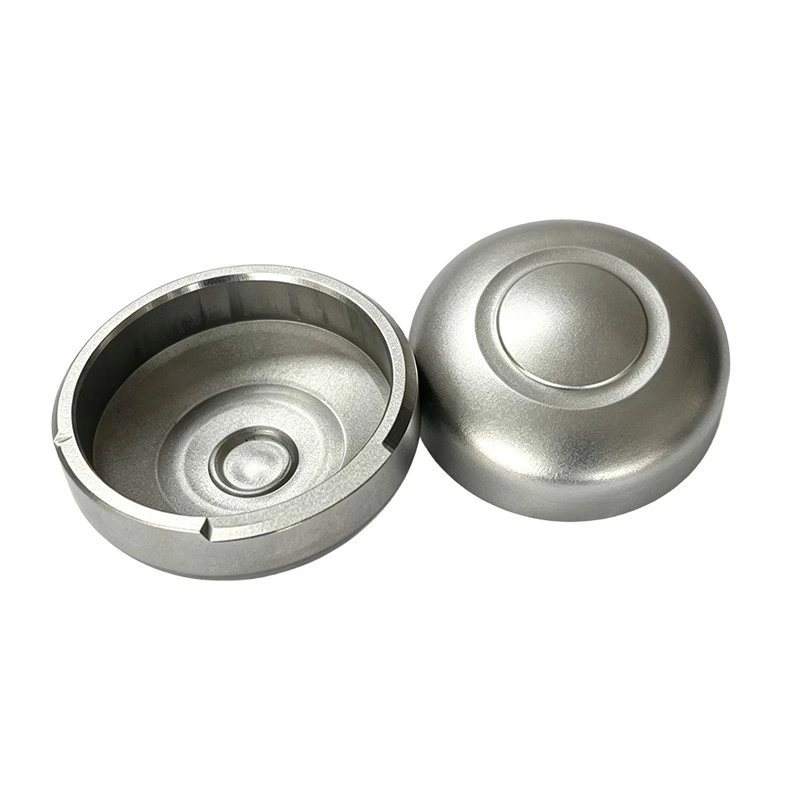
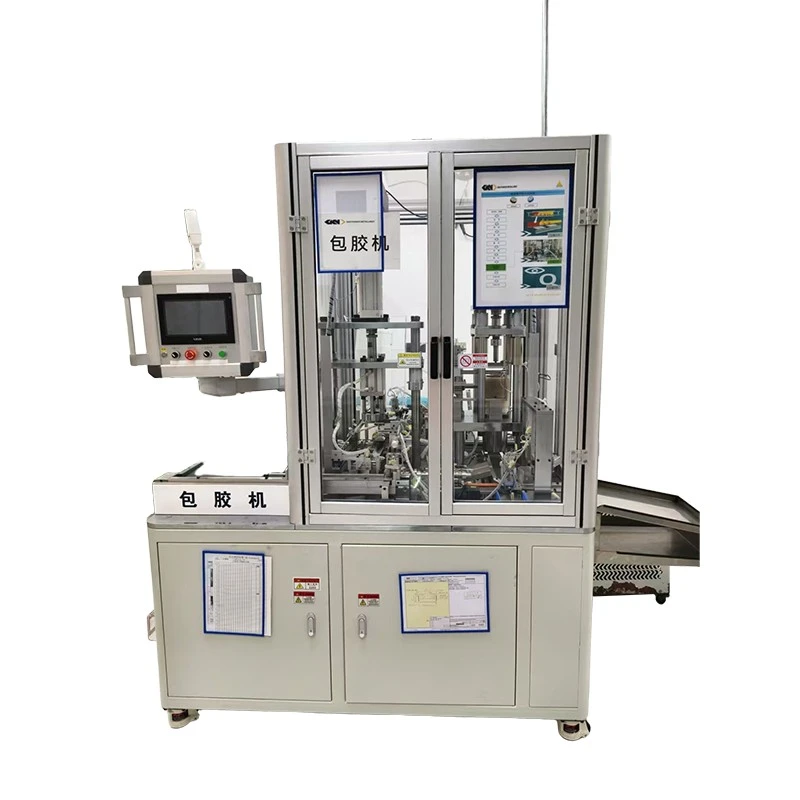
We supply full-category shock absorber components, including pistons, stampings, rubber seals, piston rods, springs, and self-developed banding/grooving machines.


Fully Automatic Powder Metallurgy Parts Handling and Palletizing Machine
XIAYI develops automated post-press handling solutions for powder metallurgy (PM) component manufacturing. Designed to work with FY series mechanical powder compacting presses and hydraulic servo presses, this Fully Automatic Powder Metallurgy Parts Handling and Palletizing Machine automates the transfer of fragile green compacts from the press die to sintering trays.
The Fully Automatic Powder Metallurgy Parts Handling and Palletizing Machine integrates die-cavity part removal, double-sided powder brushing, 180° workpiece flipping, automatic tray loading, empty-tray feeding and full-tray buffering. By reducing manual contact with unsintered components, the system helps minimize handling-related chipping and breakage while supporting a more consistent production workflow.
Driven by multi-axis servo timing-belt modules and controlled through a PLC with touchscreen HMI, the workstation supports four interchangeable gripping methods: clamping, magnetic gripping, vacuum suction and internal expansion. Operators can adjust movement parameters, part spacing and palletizing arrangements through the control interface, making the system suitable for different green compact geometries and production requirements.


Automated Post-Press Processing
Die-Cavity Part Removal
After the powder compacting press completes its forming cycle and sends the relevant signal, the pickup manipulator enters the die area, grips the green compact and retracts from the mold.
This automated transfer reduces the need for operators to manually retrieve fragile parts from the press area. The workstation is designed to interlock with the press through hardwired signals, and a pickup failure triggers an alarm and press-stop response according to the supplied equipment configuration.
The gripping method must be selected according to the workpiece's shape, material, weight and surface condition to help prevent deformation or damage during handling.
Double-Sided Powder Brushing
Green compacts may retain loose powder and fine burrs after forming. The workstation uses two brushing stations to clean the lower and upper surfaces before palletizing.
The brush assemblies use fine-filament brushes with an adjustable speed range of 0–1,100 rpm. Air blowing and a dust-collection duct help remove loosened powder from the work area.
This process helps reduce residual powder and minor burrs before sintering. The actual cleaning result depends on the part geometry, brush settings and material characteristics, so buyers should evaluate representative samples during process validation.
Workpiece Flipping and Tray Loading
After the first brushing operation, the pickup manipulator transfers the part to the palletizing manipulator. The second manipulator rotates the workpiece by 180° for upper-surface cleaning before placing it at the designated position on the tray.
Once a row is filled, the tray advances by the programmed part spacing. The machine then continues arranging the remaining parts according to the selected palletizing pattern.
The control system supports parameter settings for movement, lifting, flip angle, stacking layers and part spacing. This allows the arrangement to be adjusted through the HMI without making mechanical changes to every positioning parameter.


Gripper Options and Part Compatibility
Four Gripping Methods
Different green compacts require different handling strategies. The workstation supports four quick-change gripping options, allowing the handling setup to be selected according to part design.
| Gripping Method | Suitable Part Characteristics | Selection Considerations |
| Clamping gripper | Parts with a suitable outer profile and sufficient resistance to clamping force | Confirm contact position and clamping pressure |
| Magnetic gripper | Suitable magnetic materials | Verify material response and gripping force |
| Vacuum gripper | Thin-walled or fragile parts suitable for vacuum pickup | Confirm available suction area, surface condition and sealing |
| Internal expansion gripper | Parts with a suitable internal hole | Confirm bore dimensions and allowable internal contact force |
These are selection guidelines rather than universal rules. Actual gripping suitability should be verified using the customer's workpieces, especially for thin-walled parts, irregular shapes and green compacts that are sensitive to localized pressure.
Supported Workpiece Range
The standard stated handling range covers workpieces with diameters of 8–60 mm, heights of 3–35 mm and a maximum individual weight of 100 g.
Pickup height can be adjusted within 1,000–1,400 mm from the floor to the pickup position. This helps accommodate differences in press height, die-set configuration and pit depth, subject to confirmation of the actual machine layout.
For parts outside the listed dimensions or weight range, XIAYI should evaluate the required gripper, travel range and handling arrangement before confirming compatibility.
Tray Feeding and Buffering
Automatic Empty-Tray Supply
The Fully Automatic Powder Metallurgy Parts Handling and Palletizing Machine includes an empty-tray magazine with a stated capacity of up to nine trays. Compatible tray options include mesh trays, graphite plates and stainless steel sintering trays.
The specified tray size range is 220–400 mm in length and 200–300 mm in width. Buyers using existing trays should provide their dimensions and a physical sample for compatibility checks. The supplied requirements specify that tray-bottom deformation should not exceed 2 mm.
Full-Tray Storage
When a tray is fully loaded, the conveying mechanism transfers it to the full-tray buffering section and brings an empty tray into the working position. The buffer can store up to nine full trays, with a maximum stated load of 80 kg.
When the full-tray storage area reaches capacity, an audible and visual alarm alerts the operator to remove loaded trays. This arrangement reduces the need for frequent manual tray replacement during production, although continuous operation still depends on timely tray collection and replenishment.
Transfer to the Sintering Process
The workstation is designed to connect post-press handling with downstream sintering operations. Once loaded, compatible trays can be transferred to a mesh-belt sintering furnace or a suitable downstream station.
For projects requiring a more integrated material flow, optional configurations include AGV tray-transfer docking, a multi-press distribution module and an interface with the sintering-furnace loading station. These options require project-specific layout and cycle-time evaluation.
Servo Motion and Changeover
Adjustable Motion Parameters
The pickup and palletizing axes use servo-driven timing-belt modules. Operators can enter movement distances, lifting positions, flip angles, palletizing layers and part spacing through the touchscreen HMI.
This parameter-based setup simplifies the adjustment of palletizing patterns when switching between compatible products. A suitable program and gripping arrangement must still be prepared and validated for each new part type.
The maximum stated stacking height is 60 mm. The permitted arrangement depends on part geometry, tray layout and the handling method; buyers should confirm whether the intended stacking pattern is suitable for their green compacts.
Space for Die Changes
The pickup gripper assembly can move backward to reserve approximately 800 mm of space for press die adjustment and mold replacement. This feature is intended to make routine tooling work more convenient without requiring the entire workstation to be removed.
Before installation, confirm the actual maintenance clearance, operator access and machine-door arrangement against the existing press layout.
Safety and Control System
Press Interlocking
The Fully Automatic Powder Metallurgy Parts Handling and Palletizing Machine connects to the press through a hardwired signal interface using an aviation connector. The press and handling sequence are coordinated through the relevant operating signals.
According to the supplied configuration, a part-picking failure triggers an alarm and stops the press. The specific interlocking logic, restart conditions and fault-recovery procedure should be confirmed during commissioning.
Physical Protection
The machine uses a physical safety barrier and a transparent protective door, with internal LED lighting to improve visibility during operation. These features help separate the operator from the working mechanism.
The final installation should be reviewed against the applicable machinery safety requirements and the layout of the existing press. Operators should not bypass interlocks or enter the protected operating area while hazardous motion is possible.
Standard Industrial Components
The stated hardware configuration includes a XINJE PLC, servo motors and AIRTAC pneumatic components. The control system combines automatic sequencing with touchscreen parameter entry and alarm prompts.
For procurement, buyers should confirm the exact component models, electrical drawings, spare-parts availability and the maintenance requirements of the supplied configuration.
Technical Specifications
| Item | Specification |
| Workpiece diameter | 8–60 mm |
| Workpiece height | 3–35 mm |
| Maximum workpiece weight | ≤100 g |
| Adjustable pickup height | 1,000–1,400 mm from floor |
| Pickup horizontal travel | 1,100 mm |
| Pickup vertical travel | 450 mm |
| Palletizing horizontal travel | 850 mm |
| Palletizing vertical travel | 100 mm |
| Maximum stacking height | ≤60 mm |
| Compatible tray dimensions | 220–400 mm × 200–300 mm |
| Empty-tray magazine capacity | Up to 9 trays |
| Full-tray buffer capacity | Up to 9 trays |
| Maximum full-tray load | 80 kg |
| Brush speed | 0–1,100 rpm |
| Maximum stated cycle rate | 15 cycles/min |
| Power supply | AC 220 V, 50 Hz |
| Total rated power | 2.5 kW |
| Working air pressure | 0.5–0.7 MPa |
| Overall dimensions (W × L × H) | 1,300 × 1,450 × 1,800 mm |
| Gripping methods | Clamping, magnetic, vacuum and internal expansion |
| Control system | XINJE PLC + touchscreen HMI |
Note: The 15 cycles/min figure is the stated theoretical maximum, not a guaranteed production rate. Actual output depends on the press cycle, part dimensions, gripping method, brushing time and palletizing pattern. The handling station cannot exceed the effective output of the connected press.
Applications
The Fully Automatic Powder Metallurgy Parts Handling and Palletizing Machine is intended for post-press handling in powder metallurgy production environments, including:
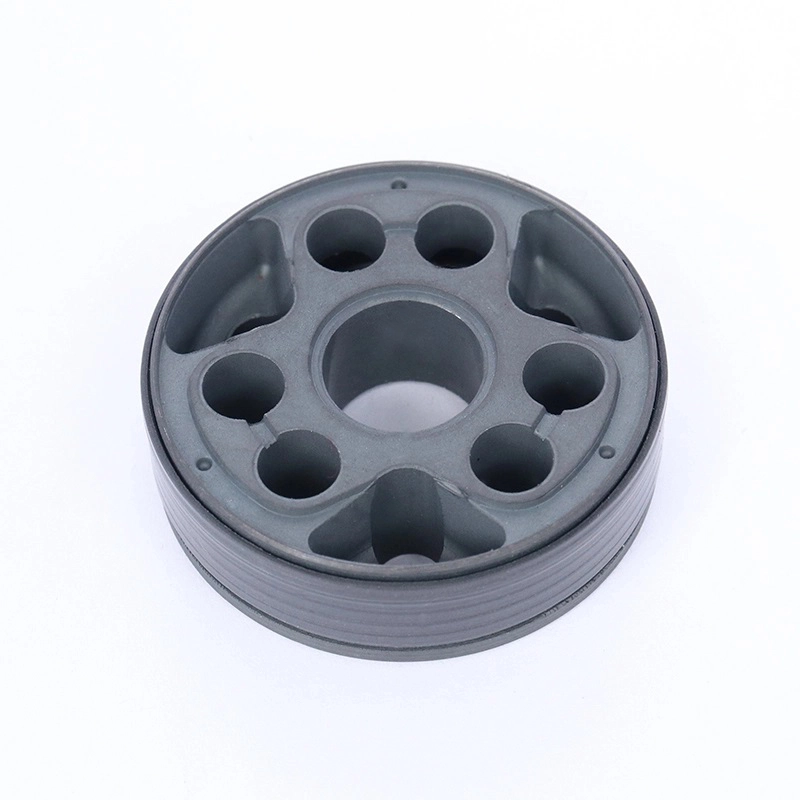
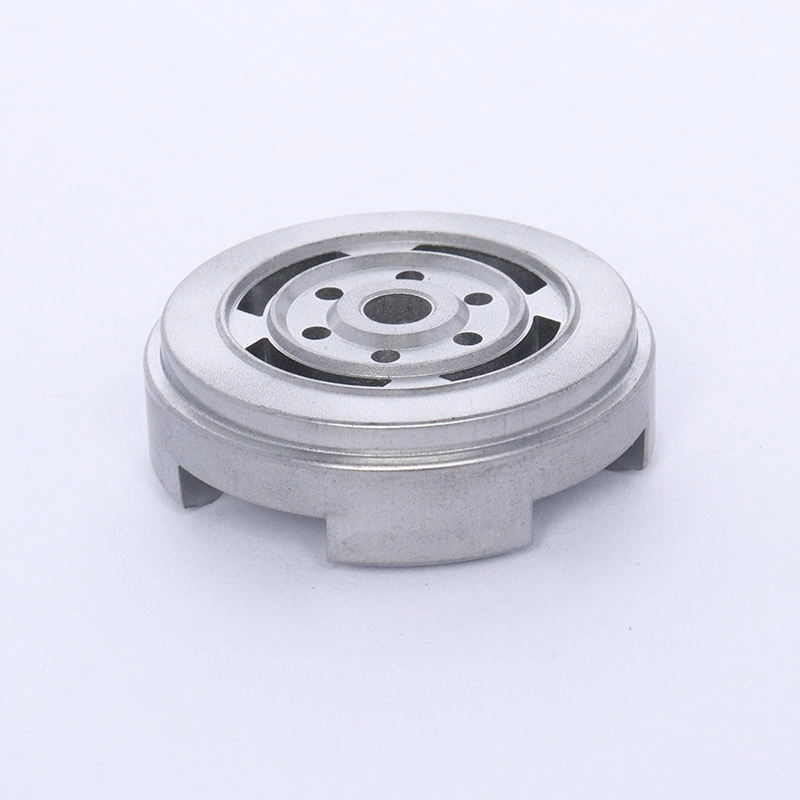
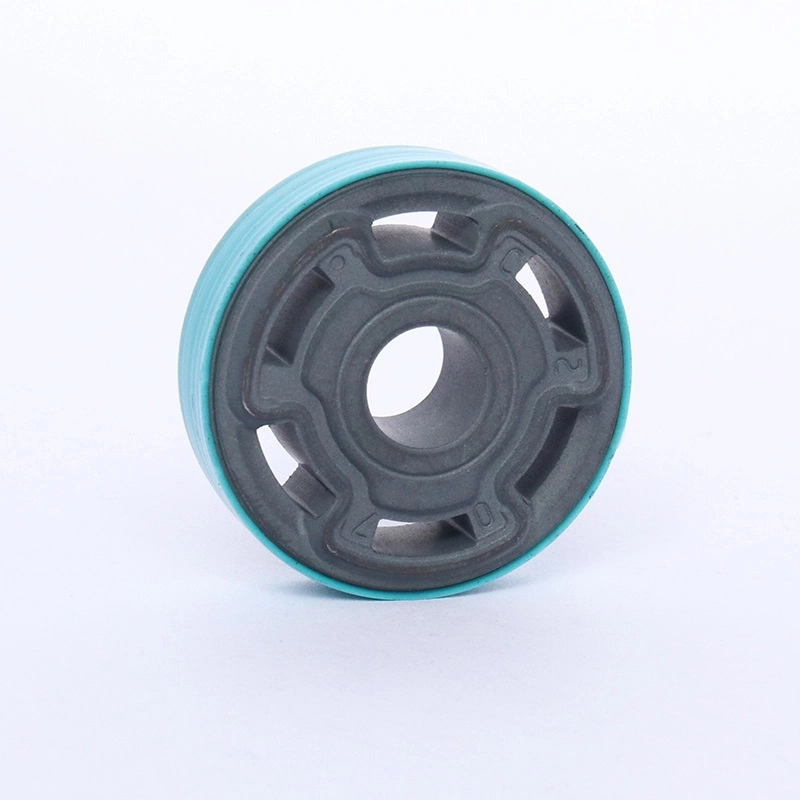
Automotive and motorcycle components: Green compacts for shock absorber pistons and other suitable formed parts.
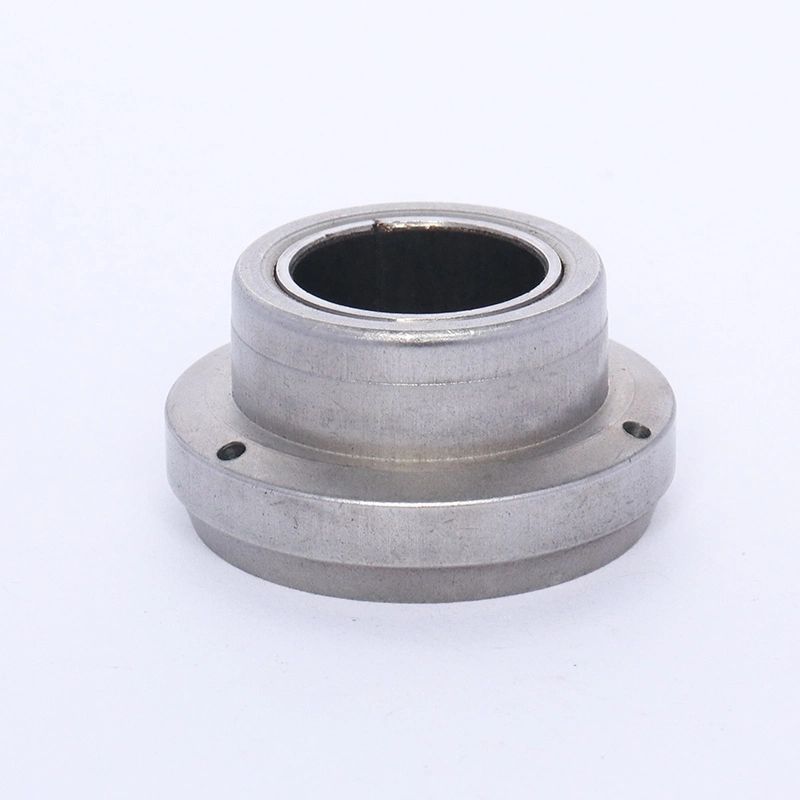
Oil-impregnated bearings and bushings: Iron-based and copper-based bearing blanks that require careful transfer before sintering.
Gears, cams and structural components: Powder metallurgy gears, cams and selected irregularly shaped parts within the specified handling range.
Press-to-sintering production lines: Applications where green compacts need to be removed, cleaned, arranged on trays and transferred to a downstream sintering process.
Compatibility should be evaluated against the actual part drawing, material, weight, dimensions and required handling orientation. The workstation is designed for FY series mechanical powder compacting presses and hydraulic servo presses, with retrofit suitability assessed on a project basis.
Quality Management and Support
XIAYI has established a quality management system aligned with the requirements of IATF 16949:2016. For buyers who require formal supplier-quality documentation, the applicable system documents and their scope can be confirmed during procurement.
Each workstation completes factory no-load and linked-operation testing before shipment. The supplied documentation includes an operation manual, electrical drawings and a spare-parts list.
XIAYI also provides installation and commissioning support, signal integration with the customer's press, and training covering machine operation, gripper replacement, parameter setup and troubleshooting.
The stated warranty period is 12 months. Remote and on-site technical support is available under the agreed service terms, together with long-term original spare-parts supply.
Before ordering, buyers can provide part drawings and the press model so that XIAYI can assess the gripping method, tray specification, interface requirements and expected production cycle.
Frequently Asked Questions
Can the workstation be retrofitted to an existing powder compacting press?
Yes, retrofit projects can be evaluated. XIAYI needs the press model, die-set height, pickup height and details of the available signal interface. Some older presses may require a signal-conversion module before reliable integration is possible.
Can one workstation serve multiple presses?
The standard configuration is designed to serve one press. A multi-press arrangement requires a customized distribution module and an assessment of the cycle times, press spacing, part flow and required handling capacity.
How should I choose the gripping method?
The choice depends on the workpiece's geometry, material and strength in its green state. Clamping, magnetic, vacuum and internal expansion gripping each have different requirements. Providing part drawings or samples allows the gripping solution to be evaluated before production.
Do I have to use graphite trays?
No. The stated compatible tray options include mesh trays, graphite plates and stainless steel trays. The tray should fall within the specified dimensional range, and bottom deformation should not exceed 2 mm according to the supplied requirements. Existing trays should be checked for fit and stability before use.
Can the machine consistently reach 15 cycles per minute?
Fifteen cycles per minute is the stated theoretical maximum. The achievable production rate depends on the press cycle, workpiece dimensions, gripping and release time, brushing requirements and palletizing pattern. The final cycle rate should be confirmed through testing with representative parts.
What routine maintenance is required?
Routine maintenance includes removing accumulated powder from the brushes and working area, checking pneumatic connections, lubricating servo modules according to the maintenance schedule, and inspecting grippers for wear. The recommended maintenance intervals should be confirmed in the machine manual.
Request a Handling Solution
If you are planning a new powder metallurgy production line or upgrading an existing press, XIAYI can assess the handling requirements based on your component and equipment information.
To support a practical proposal, provide the workpiece drawing, material, dimensions, weight, current press model, press cycle time, tray dimensions and target production volume. This information helps determine whether the standard configuration is suitable or whether customized gripping, tray handling or multi-press integration is required.
Related Category
Send Inquiry
Contact Info
-
Address
No.209 Lane 520 Tongning Rd,Qianjiang Street,Jiangbei District, Ningbo City, Zhejiang Province, China
-
Tel
-
Email
Get a Tailored Quote for Your Shock Absorber Parts
Why Global Buyers Choose Ningbo Xiayi:
✓ IATF 16949 Certified — Defect rate strictly controlled below 0.1%.
✓ Full-Category Supply — Pistons, rods, springs, stampings & rubber parts.
✓ R&D Support — Custom powder metallurgy formulas & 7-10 day rapid prototyping.
✓ Proven Capacity — 50 million core pistons produced annually for global OEMs.
Ready to start? Complete the form below and our engineering team will respond within 24 hours with a custom recommendation.
Related Products


News Recommendations