- Home
- About Us
- Products
- News
- Download
- Send Inquiry
- Contact Us

English
- English
- Español
- Português
- русский
- Français
- 日本語
- Deutsch
- tiếng Việt
- Italiano
- Nederlands
- ภาษาไทย
- Polski
- 한국어
- Svenska
- magyar
- Malay
- বাংলা ভাষার
- Dansk
- Suomi
- العربية
- हिन्दी
- Pilipino
- Türkçe
- Gaeilge
- Indonesia
- Norsk
- تمل
- český
- ελληνικά
- український
- Javanese
- فارسی
- தமிழ்
- తెలుగు
- नेपाली
- Burmese
- български
- ລາວ
- Latine
- Қазақша
- Euskal
- Azərbaycan
- Slovenský jazyk
- Македонски
- Lietuvos
- Eesti Keel
- Română
- Slovenski
- मराठी
- Srpski језик
Products
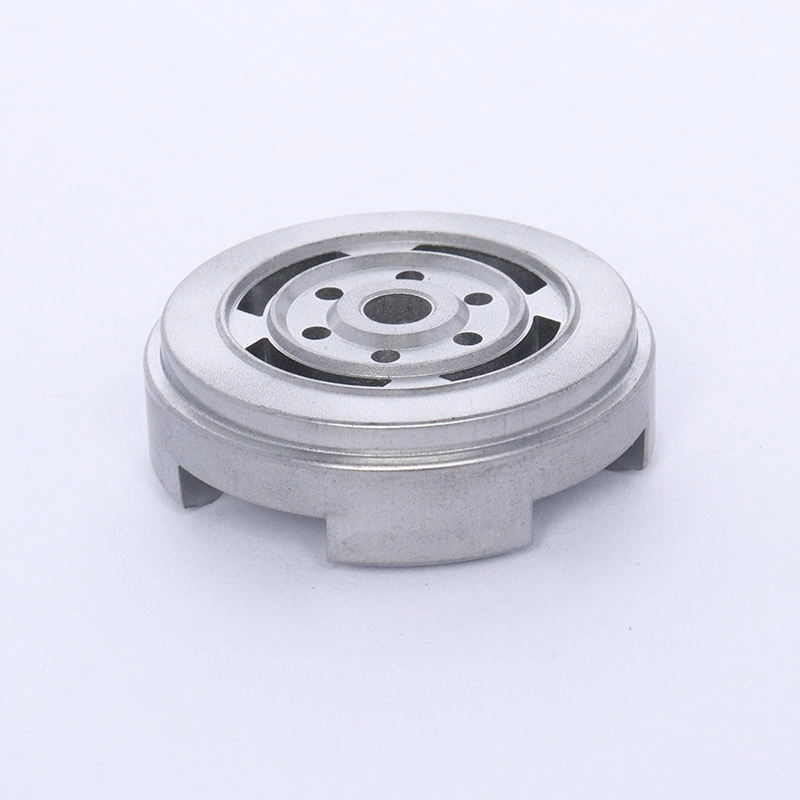
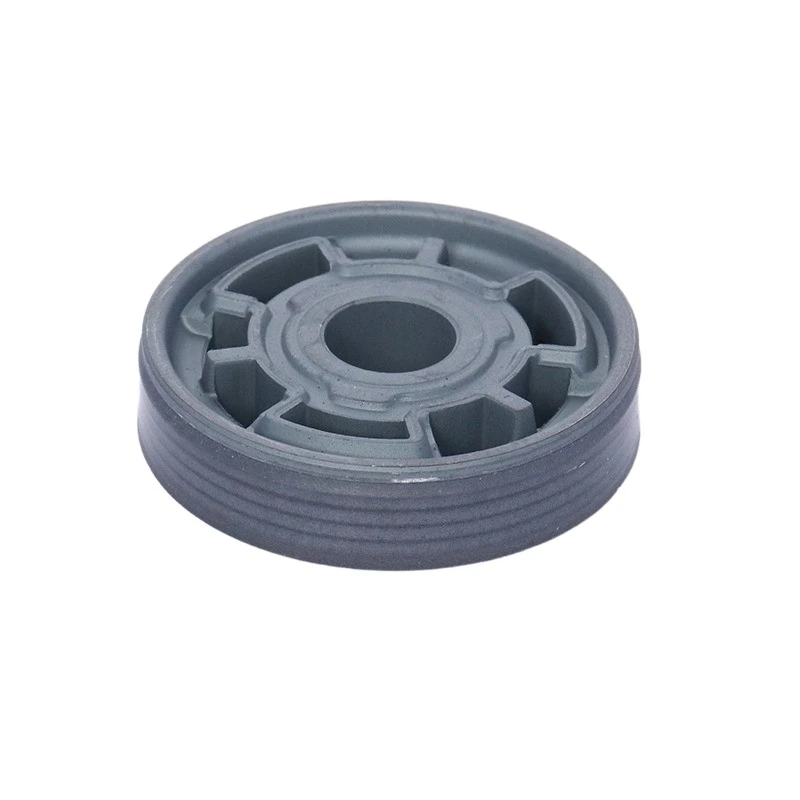
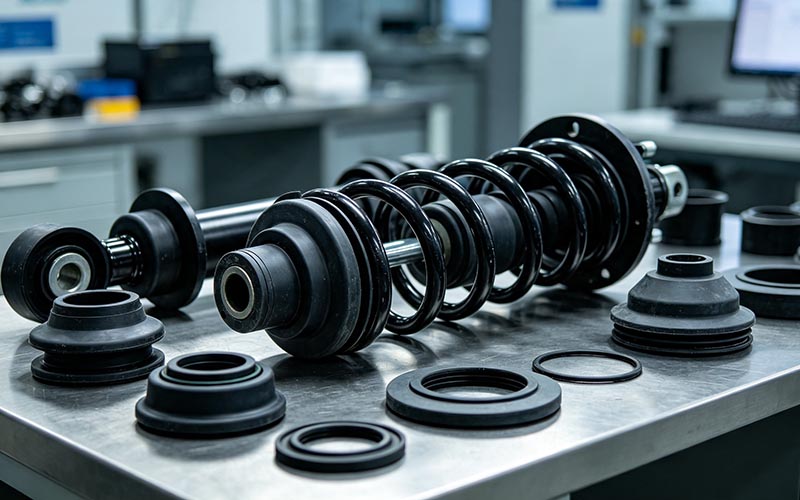
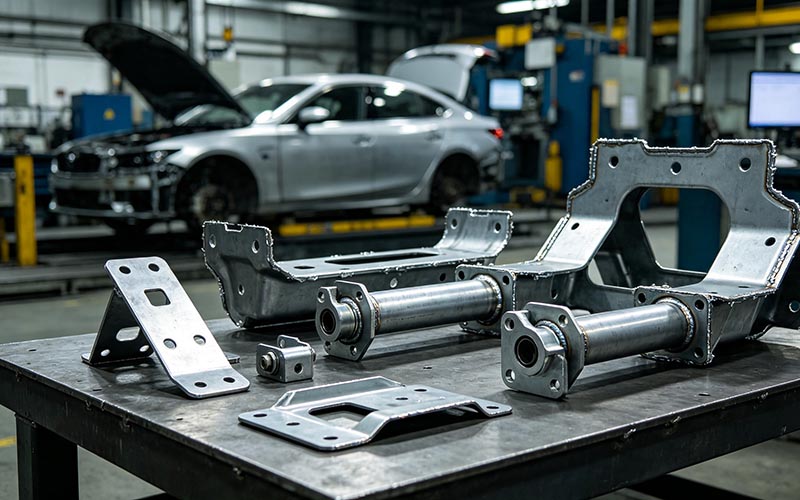
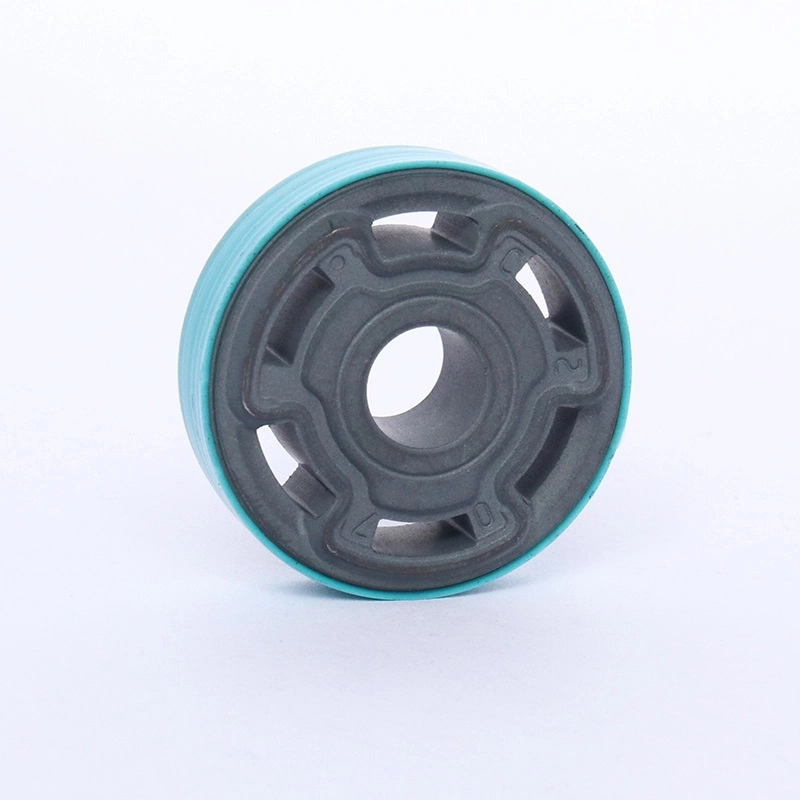
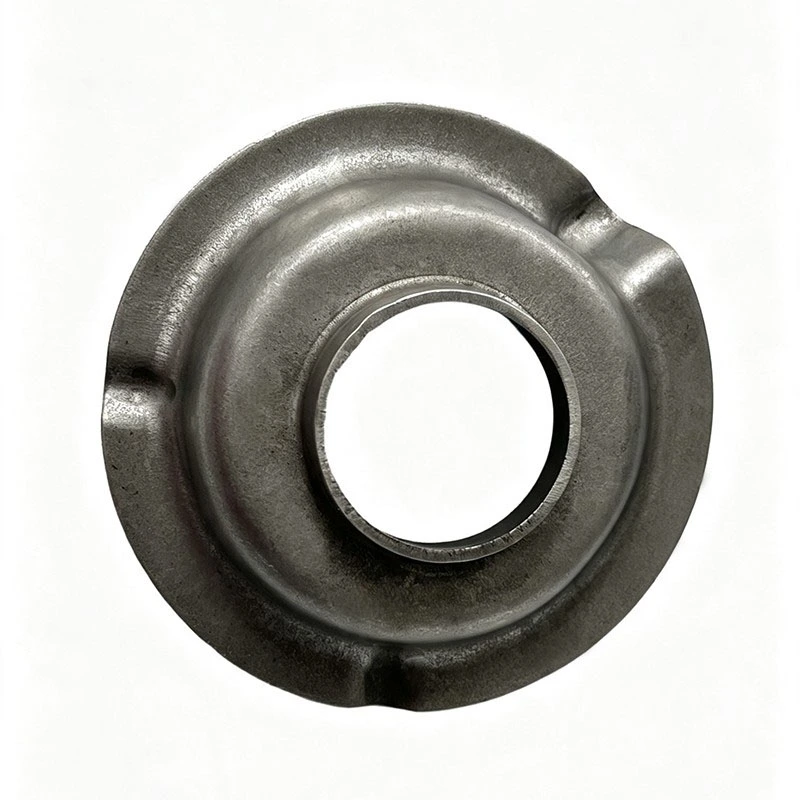
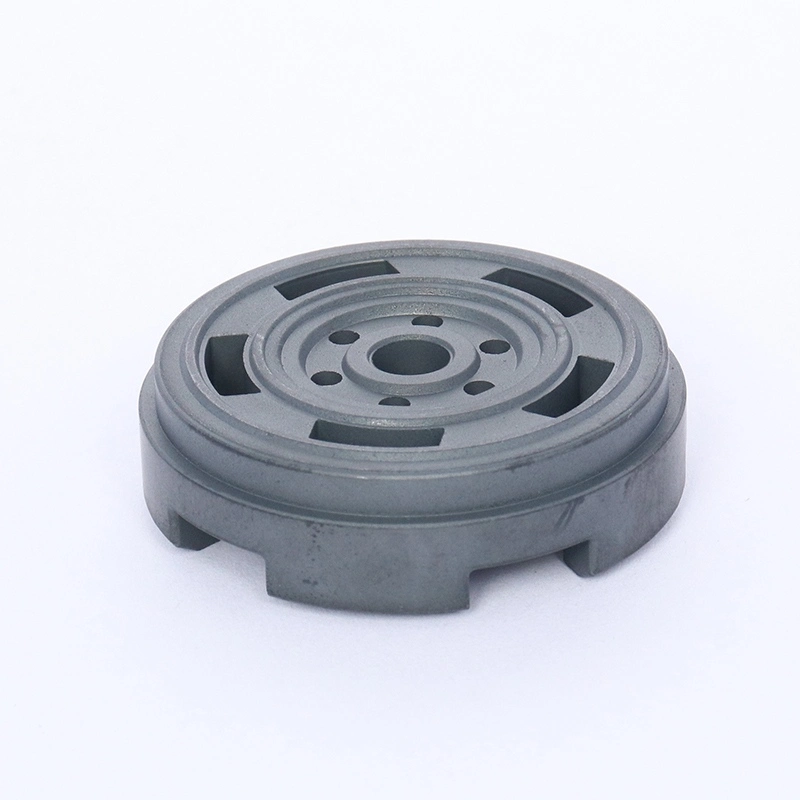
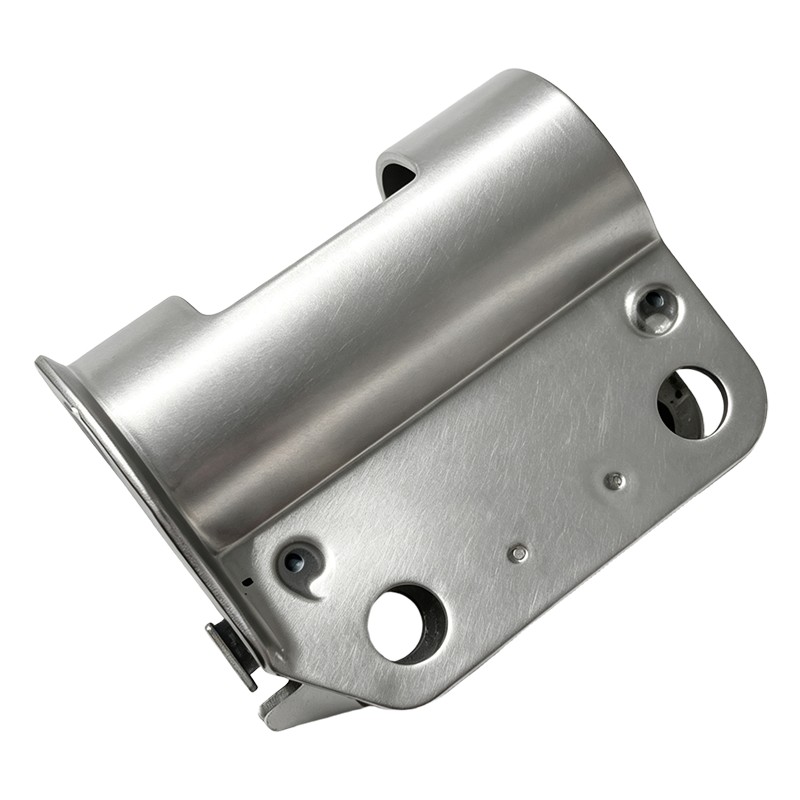
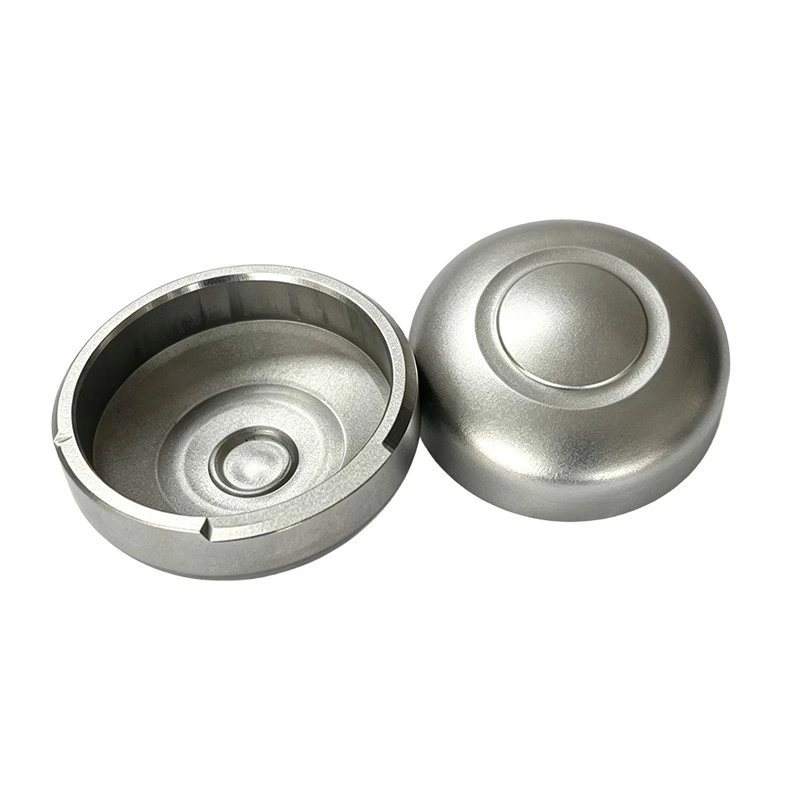
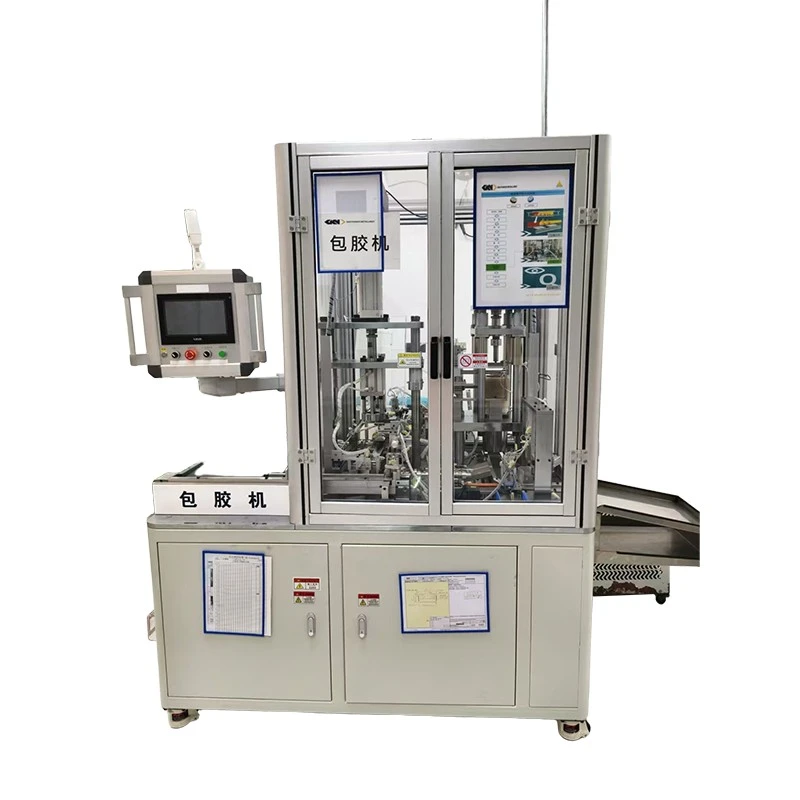
We supply full-category shock absorber components, including pistons, stampings, rubber seals, piston rods, springs, and self-developed banding/grooving machines.


Fully Automatic Powder Metallurgy Compaction Press
The Fully Automatic Powder Metallurgy Compaction Press developed by XIAYI is designed for high-volume production of green compacts made from iron-based and copper-based metal powders. The FY-Series uses a crank-linkage mechanical transmission system to integrate automatic powder filling, pressing, ejection and part discharge into one continuous production cycle.
The Fully Automatic Powder Metallurgy Compaction Press is developed according to the Technical Conditions of Powder Metallurgy Mechanical Press and is suitable for manufacturers producing shock absorber pistons, oil-impregnated bearings, gears, cams and other powder metallurgy structural components.
With a maximum cycle rate of up to 30 pieces per minute on selected models, the mechanical drive provides fast and repeatable production while maintaining relatively low energy consumption per part. Multiple die set configurations, filling adjustment systems, floating die options and automated material handling can be selected according to the geometry and production requirements of the component.
XIAYI has established a quality management system that complies with IATF 16949:2016, providing a structured quality-control approach for equipment supplied to demanding automotive and industrial manufacturing applications.


Match Press Capacity to the Part
One of the most important considerations when selecting a powder metallurgy press is whether its compacting force, filling height and working stroke match the actual component.
The FY-Series covers a wide range of compacting forces from 150 kN to 10,000 kN, allowing manufacturers to select a suitable machine according to part size, powder characteristics, required green density and production volume.
The smaller FY15–FY160G models provide compacting forces from 150 kN to 1,600 kN and are suitable for many small and medium-sized powder metallurgy components. Larger models from FY200 to FY1000D extend the compacting force range from 2,000 kN to 10,000 kN for larger or more demanding components.
This broad model range allows the press configuration to be selected around the customer's actual part rather than forcing different components into a single machine specification.
Form Multi-Level Components
Many powder metallurgy components are not simple flat shapes. Parts such as shock absorber pistons, gears and structural components can contain different heights, steps, holes or recessed areas that require controlled movement of multiple punches.
The FY-Series supports several die set configurations, including:
U1/L3
U2/L3
U3/L4
Multi-level upper and lower punch arrangements allow different sections of the component to be compacted according to their geometry. Optional floating die structures can provide bidirectional compaction, helping improve density distribution within the green compact.
For components with complex profiles, XIAYI can evaluate the customer's part drawing and recommend an appropriate die set configuration before production.
Die Set Options
Depending on the component design, available configurations include:
Outer upper punch double action
Hydraulically driven inner upper punch
Multi lower punch hydraulic filling
Hydraulic core rod
Floating die
Lower punch rebound compensation mechanism
These options provide additional flexibility when developing tooling for multi-step powder metallurgy parts.
Control Powder Filling Before Pressing
Consistent powder filling is essential because variations in filling volume can directly affect the weight, height and density of the finished green compact.
The FY-Series can be equipped with an over and under filling adjustment unit to control powder filling height more accurately. Automatic filling adjustment can also be selected for applications where stable production parameters are required over long production runs.
Available feeding configurations include:
Standard powder feeding
Servo feeding
Slope feeding
Suction-type powder feeding
Hopper vibrator
The appropriate feeding method can be selected according to powder characteristics, component geometry and required production speed.
Keep Production at a Stable Cycle
The mechanical crank-linkage transmission is designed for repetitive high-speed operation. Depending on the selected model, compacting speed can reach up to 30 pcs/min.
Mechanical transmission provides a direct production cycle and is particularly suitable for manufacturers producing large quantities of similar components. Compared with hydraulic presses, mechanical presses can offer faster cycle rates and lower energy consumption per part in applications where long continuous production is required.
Actual production output depends on the machine model, die configuration, powder material, component geometry and required pressing cycle.
For this reason, XIAYI recommends evaluating the actual component and required output before selecting the press model.
Build a Complete Automatic Cell
The Fully Automatic Powder Metallurgy Compaction Press can be equipped with automatic handling equipment to reduce manual intervention between pressing and subsequent processes.
The FY-Series can interface with:
MA Series Manipulator
RA Series Robot
Weight checking unit
Deburring station
Oil impregnation station
A manipulator or robot can automatically pick green compacts from the press and transfer them to the next process. The system can also be connected with downstream powder metallurgy equipment such as mesh belt sintering furnaces, grooving machines and banding machines.
This makes it possible to develop a complete automated production line for applications such as powder metallurgy shock absorber pistons.
Working Cycle
The machine completes the forming process through a controlled sequence:
1. Powder Filling
The feeding shoe delivers metal powder into the die cavity. The over and under filling adjustment system can compensate for the required filling volume.
2. Mold Closing
The upper punch and multiple lower punches move into the correct positions before compaction.
3. Bidirectional Compaction
The main slide moves downward while the floating die and lower punch system provide controlled compaction. This helps achieve a more uniform density distribution within the green compact.
4. Dwell Holding
A preset dwell period can be applied to allow the compact to stabilize and release internal stresses before ejection.
5. Ejection
The lower punch group moves upward and ejects the pressed green compact from the die cavity.
6. Part Discharge
The feeding shoe moves the finished green compact away from the forming area. An optional manipulator or robot can pick and stack the components automatically.
7. Next Cycle
The system returns to the filling position and begins the next pressing cycle, allowing continuous automatic production.
Technical Specifications
FY15–FY160G Small Tonnage Series
| Item | Unit | FY15 | FY25 | FY25D | FY30 | FY50 | FY60G | FY60 | FY80 | FY100 | FY140 | FY160 | FY160G |
| Max Compacting Force | kN | 150 | 250 | 250 | 300 | 500 | 600 | 600 | 800 | 1000 | 1400 | 1600 | 1600 |
| Max Withdrawal Force | kN | 75 | 125 | 125 | 150 | 250 | 300 | 300 | 400 | 500 | 700 | 800 | 800 |
| Max Filling Height | mm | 40 | 60 | 60 | 80 | 110 | 90 | 120 | 135 | 140 | 140 | 150 | 105 |
| Max Withdrawing Travel | mm | 27 | 40 | 60 | 54 | 70 | 60 | 80 | 90 | 88 | 88 | 100 | 70 |
| Max Compacting Travel | mm | 13 | 20 | 26 | 26 | 40 | 30 | 40 | 45 | 52 | 52 | 50 | 35 |
| Upper Slider Travel | mm | 90 | 110 | 140 | 130 | 160 | 130 | 160 | 180 | 180 | 190 | 200 | 160 |
| Upper Slider Adjustment | mm | 0–50 | 0–50 | 0–50 | 0–50 | 0–80 | 0–80 | 0–80 | 0–100 | 0–110 | 0–130 | 0–130 | 0–130 |
| Compressing Travel | mm | 0–10 | 0–10 | 0–10 | 0–10 | 0–10 | 0–10 | 0–10 | 0–10 | 0–15 | 0–15 | 0–15 | 0–15 |
| Compacting Speed | pcs/min | 13–30 | 10–25 | 10–20 | 10–20 | 6–16 | 8–22 | 6–16 | 6–16 | 6–16 | 6–16 | 6–14 | 7–17 |
| Filling Travel | mm | 4 | 4 | 4 | 4 | 5 | 5 | 5 | 7 | 7 | 7 | 7 | 7 |
| Die Set | U/L | U1/L3 | U2/L3 | U2/L3 | U2/L3 | U2/L3 | U2/L3 | U2/L3 | U2/L3 | U2/L3 | U2/L3 | U2/L3 | U2/L3 |
| Motor | kW | 5.5 | 5.5 | 5.5 | 5.5 | 7.5 | 7.5 | 7.5 | 11 | 15 | 22 | 22 | 22 |
| Net Weight Without Die Set | kg | 2000 | 3500 | 3600 | 3800 | 6500 | 6700 | 7000 | 10000 | 12800 | 16000 | 19800 | 17500 |
FY200–FY1000D Large Tonnage Series
| Item | Unit | FY200 | FY200D | FY260 | FY300D | FY300G | FY450 | FY450D | FY500 | FY500D | FY650D | FY800D | FY1000D |
| Max Compacting Force | kN | 2000 | 2000 | 2600 | 3000 | 3000 | 4500 | 4500 | 5000 | 5000 | 6500 | 8000 | 10000 |
| Max Withdrawal Force | kN | 1000 | 1000 | 1300 | 1500 | 1500 | 2250 | 2250 | 2500 | 2500 | 3250 | 4000 | 5000 |
| Max Filling Height | mm | 150 | 150 | 150 | 130 | 130 | 150 | 150 | 150 | 150 | 150 | 150 | 150 |
| Max Withdrawing Travel | mm | 100 | 100 | 100 | 90 | 90 | 100 | 100 | 100 | 100 | 100 | 100 | 100 |
| Max Compacting Travel | mm | 50 | 50 | 50 | 40 | 40 | 50 | 50 | 50 | 50 | 50 | 50 | 50 |
| Upper Slider Travel | mm | 200 | 200 | 200 | 200 | 200 | 188 | 188 | 188 | 188 | 188 | 200 | 200 |
| Upper Slider Adjustment | mm | 0-150 | 0-150 | 0-150 | 0-150 | 0-150 | 0-150 | 0-150 | 0-150 | 0-150 | 0-150 | 0-150 | 0-150 |
| Compressing Travel | mm | 0-15 | 0-15 | 0-15 | 0-15 | 0-15 | 0-15 | 0-15 | 0-15 | 0-15 | 0-15 | 0-15 | 0-15 |
| Compacting Speed | pcs/min | 5~14 | 5~14 | 5~14 | 5~14 | 5~14 | 6~12 | 6~12 | 6~12 | 6~12 | 6~12 | 6~12 | 6~12 |
| Filling Travel | mm | 8 | 8 | 8 | 8 | 8 | 9 | 9 | 9 | 9 | 9 | 10 | 10 |
| Die Set | U/L | U2/L3 | U3/L4 | U2/L3 | U3/L4 | U2/L3 | U3/L4 | U2/L3 | U3/L4 | U3/L4 | U3/L4 | U3/L4 | U3/L4 |
| Motor | kW | 30 | 30 | 37 | 37 | 37 | 43 | 45 | 45 | 45 | 45 | 55 | 55 |
| Net Weight (w/o Die Set) | kg | 30000 | 32000 | 32000 | 34000 | 33000 | 50000 | 52000 | 51000 | 53000 | 55000 | 85000 | 95000 |
| Dimension H/D/W | — | Refer to Layout | |||||||||||
Dimension H/D/W: Refer to the equipment layout.
Safety and Machine Monitoring
Production reliability depends not only on mechanical performance but also on machine protection and operator safety.
The press can be equipped with front and rear safety doors with interlock protection. The machine cannot operate when the safety doors are open.
The PLC and HMI system provides a centralized interface for machine operation and monitoring. Operators can access functions such as:
Production count statistics
Fault history
I/O signal monitoring
Parameter setting
Parameter storage and recall
If an abnormal pressure condition or stroke problem is detected, the system can trigger an automatic emergency stop to help protect the tooling and machine structure.
Designed for Routine Maintenance
The machine uses a heavy cast frame designed to provide high structural rigidity during repeated pressing operations. Standardized transmission components are used where applicable, making replacement and spare part procurement more convenient.
Routine maintenance can be organized around daily, weekly, monthly and quarterly inspection requirements. Typical maintenance work includes transmission lubrication, pneumatic system draining, fastener inspection and checking of key mechanical components.
Clear maintenance procedures can help production teams reduce unexpected downtime and control long-term operating costs.
Powder Metallurgy Applications
The Fully Automatic Powder Metallurgy Compaction Press is suitable for manufacturers producing a wide range of green compacts, including:
Automotive powder metallurgy shock absorber pistons
Motorcycle powder metallurgy components
Iron-based oil-impregnated bearings
Copper-based oil-impregnated bearings
Powder metallurgy gears
Powder metallurgy cams
Multi-level structural components
Other pressed powder metallurgy parts
For automotive and motorcycle applications, the press can be integrated with downstream grooving, banding and sintering equipment to create a continuous production system.
The equipment is also suitable for powder metallurgy component manufacturers and OEM subcontractors that require repeatable green compact production at medium to high production volumes.
From Pressing to Sintering
The pressing stage is only one part of the powder metallurgy production process. For customers planning a complete automated production line, the press can be connected with downstream equipment.
A typical production flow can include:
Powder Feeding → Compaction → Green Compact Discharge → Inspection/Handling → Grooving → Banding → Mesh Belt Sintering
MA Series manipulators and RA Series robots can be used for automatic part transfer between different production stages.
This configuration helps reduce manual handling and allows the production cycle of the press to be coordinated with subsequent processing equipment.
Delivery and Technical Support
Before delivery, each machine undergoes no-load and load testing to verify the operating condition of the equipment.
The supplied documentation can include:
l Operation manual
l Electrical drawings
l Spare parts list
l Equipment-related technical documentation
For installation projects, XIAYI can provide on-site installation and commissioning by engineers. Training can cover machine operation, mold changeover, troubleshooting and different levels of routine maintenance.
The standard warranty period is 12 months. XIAYI provides long-term spare parts supply as well as remote and on-site technical support.
For new powder metallurgy projects, customers can provide component drawings, powder material information and target green compact density. XIAYI can then provide die set recommendations and process parameter consultation based on the actual component requirements.
Frequently Asked Questions
What is the difference between a mechanical powder press and a hydraulic powder press?
A mechanical press uses a crank-linkage transmission system and is generally designed for faster cycle rates and lower energy consumption per part in high-volume production.
Hydraulic presses can be advantageous for applications requiring higher forming forces or longer dwell times. The FY-Series mechanical press is particularly suited to high-volume components such as shock absorber pistons, bearings, gears and other repetitive powder metallurgy parts.
Can the press produce multi-level powder metallurgy components?
Yes. The FY-Series supports multiple die set configurations, including U1/L3, U2/L3 and U3/L4. Multi-punch structures and optional floating die systems can be used for multi-step compaction.
For a specific component, customers can provide the part drawing to XIAYI for die set evaluation and configuration recommendations.
Can XIAYI provide technical support for a new powder metallurgy project?
Yes. Customers can provide the part drawing, powder material grade and target green compact density. XIAYI can recommend a suitable die set, powder filling method and compaction parameters.
Installation support and operator training can also be provided during project commissioning.
Can the press connect with an existing sintering furnace?
Yes. The machine can be equipped with an MA Series manipulator or RA Series robot for automatic green compact handling.
The production cycle can be coordinated with mesh belt sintering furnaces and other downstream equipment. A complete automated production line can also integrate grooving and banding machines for applications such as powder metallurgy shock absorber pistons.
What is the lead time and MOQ?
For standard machine models, the typical lead time is 35–50 working days.
For machines requiring customized die sets and automation configurations, the typical lead time is 55–75 working days.
The MOQ is 1 unit.
What routine maintenance does the machine require?
Routine maintenance includes pre-shift and post-shift inspection as well as weekly, monthly and quarterly maintenance.
Typical tasks include transmission lubrication, pneumatic unit draining and fastener inspection. Key transmission components use standardized parts where applicable, and XIAYI provides original spare parts and technical support.
Can XIAYI recommend the correct machine model?
Yes. Machine selection depends on several factors, including component size, powder material, required compacting force, green density, production volume, filling height and die structure.
Customers can provide the part drawing, material information and required production capacity. XIAYI can use these details to recommend a suitable FY-Series configuration and die set.
Related Category
Send Inquiry
Contact Info
-
Address
No.209 Lane 520 Tongning Rd,Qianjiang Street,Jiangbei District, Ningbo City, Zhejiang Province, China
-
Tel
-
Email
Get a Tailored Quote for Your Shock Absorber Parts
Why Global Buyers Choose Ningbo Xiayi:
✓ IATF 16949 Certified — Defect rate strictly controlled below 0.1%.
✓ Full-Category Supply — Pistons, rods, springs, stampings & rubber parts.
✓ R&D Support — Custom powder metallurgy formulas & 7-10 day rapid prototyping.
✓ Proven Capacity — 50 million core pistons produced annually for global OEMs.
Ready to start? Complete the form below and our engineering team will respond within 24 hours with a custom recommendation.
Related Products


News Recommendations